
Successfully promoting your business in today’s competitive landscape requires more than sporadic advertising and social media posts. The ability to market your company effectively depends on understanding your audience, maintaining consistency across channels, and building genuine relationships that extend beyond transactional interactions. Whether you’re a Houston-based enterprise serving oil and gas clients or a healthcare provider reaching local communities, strategic marketing establishes the foundation for sustainable growth and meaningful customer connections.
Understanding Your Target Market Before You Launch
Before investing resources into campaigns and creative content, identifying who needs your services determines every subsequent marketing decision. Market research reveals demographic information, purchasing behaviors, pain points, and communication preferences that shape messaging strategies.
Conducting Effective Market Research
Comprehensive research combines quantitative data with qualitative insights. Analytics platforms reveal website visitor demographics, traffic sources, and engagement patterns. Customer surveys and interviews uncover motivations, frustrations, and decision-making processes that numbers alone cannot capture.
Key research components include:
- Demographic analysis (age, location, income, industry)
- Psychographic profiling (values, interests, lifestyle)
- Competitive analysis (positioning gaps and opportunities)
- Customer journey mapping (touchpoints from awareness to purchase)
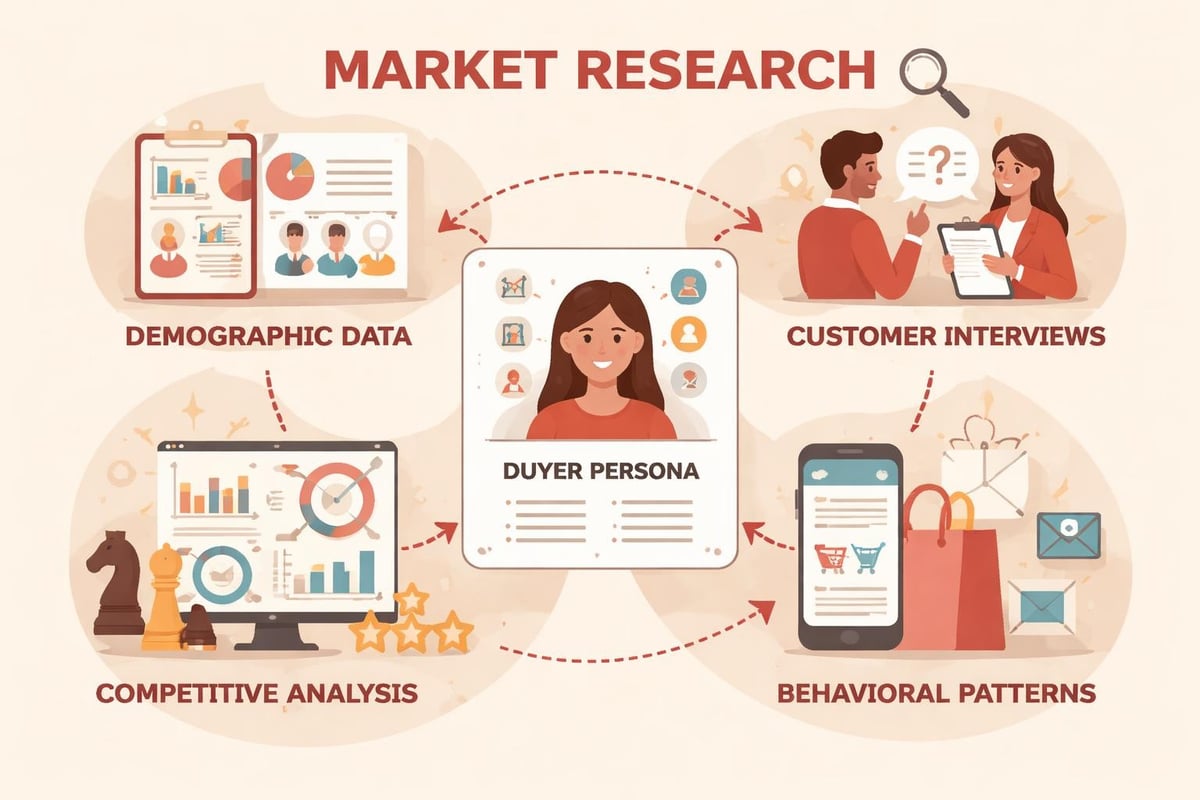
The 8 steps to marketing your business framework emphasizes that understanding your audience foundation prevents wasted effort on channels and messages that never reach ideal customers. Small businesses particularly benefit from focused research that identifies specific niches rather than attempting broad-market appeals.
Creating Detailed Buyer Personas
Personas transform abstract data into relatable profiles representing ideal customers. A construction company might develop personas for commercial developers, residential contractors, and facility managers-each requiring different messaging, channels, and value propositions.
Effective personas include names, job titles, responsibilities, challenges, goals, and preferred information sources. When you market your company with these detailed profiles, marketing teams make consistent decisions aligned with actual customer needs rather than assumptions.
Building a Comprehensive Marketing Strategy
Strategic planning converts research insights into actionable roadmaps. Developing a marketing plan establishes objectives, budgets, timelines, and accountability measures that guide implementation and measurement.
Setting Measurable Marketing Objectives
Vague goals like “increase brand awareness” lack the specificity needed for resource allocation and performance evaluation. SMART objectives (Specific, Measurable, Achievable, Relevant, Time-bound) create clarity and focus.
| Objective Type | Weak Example | Strong Example |
|---|---|---|
| Lead Generation | Get more leads | Generate 150 qualified leads per month through organic search by Q3 2026 |
| Brand Awareness | Improve visibility | Increase branded search volume by 40% and social media reach by 25% within 6 months |
| Customer Retention | Keep customers happy | Achieve 85% customer retention rate and increase repeat purchases by 30% annually |
Strategic objectives align with business priorities rather than vanity metrics. A digital business strategy integrates marketing goals with operational capacity, ensuring campaigns generate manageable lead volumes and sustainable growth trajectories.
Allocating Budget Across Marketing Channels
Resource distribution depends on objectives, audience preferences, and historical performance data. New businesses often allocate larger percentages to brand-building activities while established companies invest more heavily in conversion optimization and customer retention.
Common budget allocation categories:
- Digital advertising (30-40%): Search, social, display campaigns
- Content creation (20-25%): Blog articles, videos, graphics, case studies
- Website development (15-20%): Design updates, functionality improvements, user experience optimization
- Marketing technology (10-15%): CRM systems, analytics platforms, automation tools
- Traditional marketing (5-10%): Print, events, sponsorships, direct mail
Budgets should remain flexible enough to capitalize on unexpected opportunities while maintaining sufficient consistency for long-term initiatives to generate results.
Optimizing Your Digital Presence
Your website serves as the primary hub where all marketing efforts ultimately direct prospects. When you market your company online, website quality directly influences conversion rates and brand perception.
Creating an SEO-Optimized Website
Search engine optimization ensures your business appears when prospects search for relevant solutions. Technical SEO establishes proper site structure, loading speeds, and mobile responsiveness. On-page optimization targets specific keywords through strategic content placement. Off-page SEO builds authority through quality backlinks and citations.
Houston-based businesses benefit from local SEO tactics including Google Business Profile optimization, location-specific content, and local directory listings. Marketing agency website design should balance aesthetic appeal with functional performance, ensuring beautiful interfaces load quickly and guide visitors toward conversion actions.
The promotion strategies outlined by Business.org emphasize claiming and optimizing business listings across platforms like Google, Yelp, and industry-specific directories to maximize local visibility.
Developing Valuable Content Resources
Content marketing establishes expertise, builds trust, and generates organic traffic through educational resources. Blog articles answering common customer questions position your company as a knowledgeable industry resource rather than merely a service provider seeking transactions.
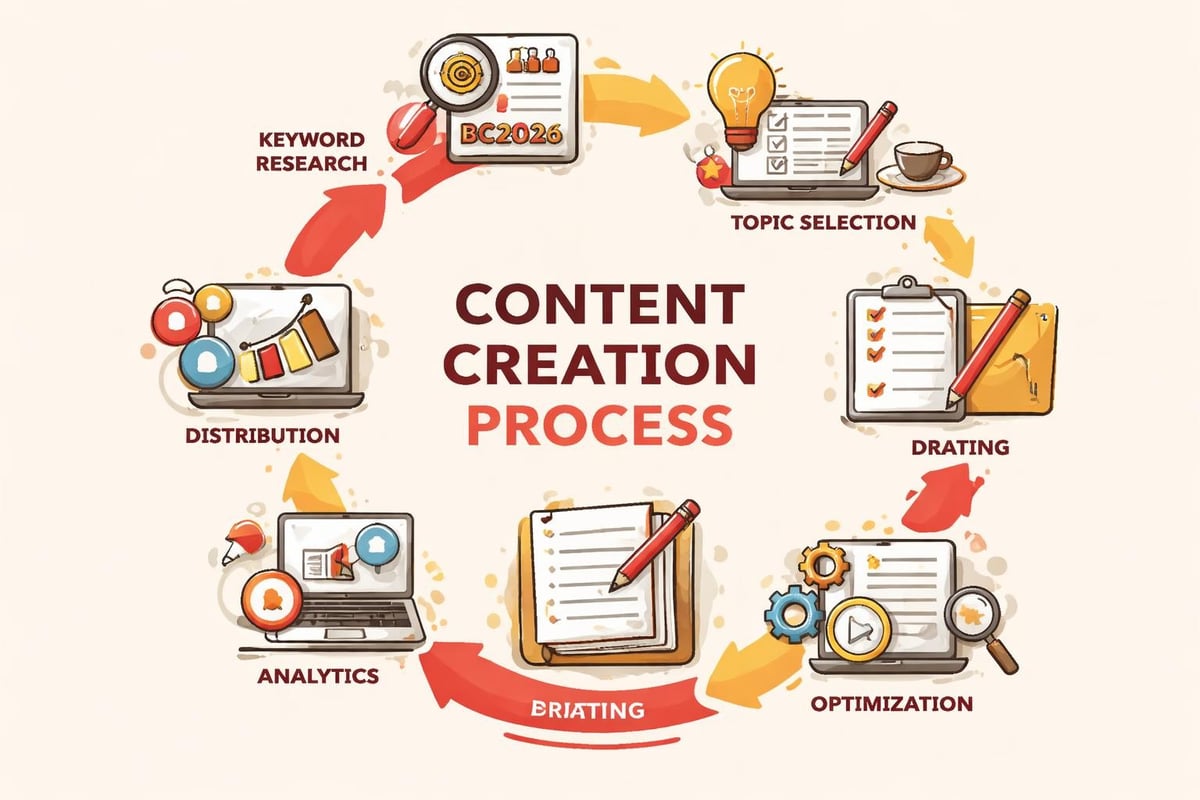
Effective content strategies include:
- Educational blog posts addressing customer pain points
- Case studies demonstrating proven results
- Video tutorials explaining complex concepts
- Downloadable resources (guides, templates, checklists)
- Industry insights and trend analysis
Creating quality content requires understanding audience questions and providing comprehensive answers that surpass competitor offerings. Consistency matters more than volume-publishing two exceptional monthly articles outperforms eight mediocre weekly posts.
Leveraging Social Media Strategically
Social platforms offer direct communication channels with current and prospective customers. However, effective social media marketing requires platform-specific strategies rather than identical content distributed everywhere.
Selecting Appropriate Platforms
Platform selection depends on where your audience actively engages rather than personal preferences or trends. B2B companies often find LinkedIn most effective for professional networking and thought leadership. Healthcare providers connect with patients through Facebook’s community-building features. Visual industries showcase work through Instagram and Pinterest.
| Platform | Best For | Content Types | Posting Frequency |
|---|---|---|---|
| B2B relationships, professional services | Articles, industry insights, company updates | 3-5 times weekly | |
| Local businesses, community engagement | Events, behind-scenes content, customer stories | 5-7 times weekly | |
| Visual industries, lifestyle brands | Photos, short videos, stories | Daily stories, 3-5 posts weekly | |
| Twitter/X | News, customer service, real-time engagement | Quick updates, responses, industry commentary | Multiple daily posts |
When you market your company through social media, authentic engagement matters more than follower counts. Responding to comments, participating in relevant discussions, and sharing valuable resources builds relationships that translate into business opportunities.
Creating Engaging Social Content
Social media content should educate, entertain, or inspire rather than constantly promote products and services. The 80/20 rule suggests 80% valuable, non-promotional content balances 20% direct marketing messages.
Effective social strategies incorporate:
- Behind-the-scenes glimpses into company culture
- Customer success stories and testimonials
- Industry news with expert commentary
- Employee spotlights highlighting team expertise
- Interactive content (polls, questions, contests)
Branding and social media marketing alignment ensures consistent visual identity, messaging tone, and value communication across all platforms, reinforcing brand recognition through repeated exposure.
Implementing Targeted Advertising Campaigns
Paid advertising accelerates visibility and generates measurable results when organic efforts require time to mature. Strategic ad campaigns target specific audiences with relevant messages at optimal moments in their buyer journeys.
Mastering Search Engine Marketing
Google Ads and Bing Ads place your company prominently when prospects actively search for solutions. Search campaigns capture high-intent traffic-people already seeking services you provide-making them particularly effective for lead generation.
Successful search campaigns require:
- Comprehensive keyword research identifying search terms prospects use
- Compelling ad copy highlighting unique value propositions and clear calls-to-action
- Optimized landing pages matching ad promises with relevant content
- Negative keywords preventing wasted spending on irrelevant searches
- Continuous optimization based on performance data and testing
Geographic targeting ensures budget allocation toward serviceable areas. Houston businesses can focus ad spending on local markets rather than paying for clicks from distant prospects unable to utilize their services.
Utilizing Social Media Advertising
Social platform advertising offers sophisticated targeting based on demographics, interests, behaviors, and custom audiences. Facebook and LinkedIn ads reach specific professional titles, industries, company sizes, and career levels impossible through traditional advertising.
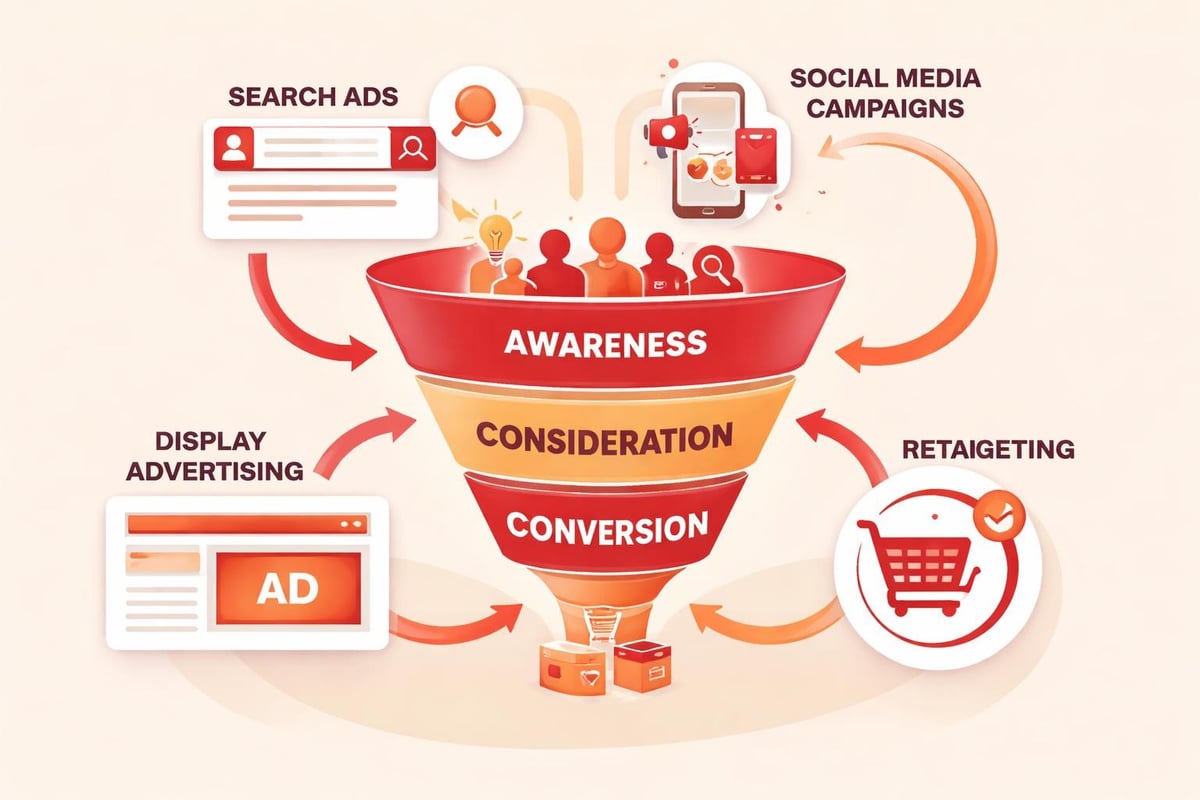
Retargeting campaigns re-engage website visitors who didn’t convert initially, maintaining brand visibility as prospects evaluate options. These campaigns typically achieve higher conversion rates and lower costs than cold prospecting because they target already-familiar audiences.
Building Strategic Partnerships and Networks
Relationships with complementary businesses, industry organizations, and community groups extend marketing reach beyond owned channels. When you market your company through partnerships, you access established audiences already predisposed to trust recommendations from familiar sources.
Developing Referral Networks
Professional referral relationships with non-competing businesses serving similar audiences create mutual value. A digital marketing agency serving content creation needs might partner with web developers, graphic designers, and business consultants who encounter clients requiring comprehensive marketing support.
Formalized referral programs with clear processes, incentives, and communication protocols ensure consistent collaboration. Successful partnerships require regular communication, reciprocal referrals, and genuine commitment to partner success rather than one-sided benefit extraction.
Engaging in Community Activities
Local involvement demonstrates commitment beyond profit-seeking and builds relationships within your service area. Tips for promoting your business often include community participation through sponsorships, event attendance, and charitable involvement.
Community engagement opportunities include:
- Chamber of Commerce membership and participation
- Industry association leadership roles
- Charitable sponsorships aligned with company values
- Educational workshops and speaking engagements
- Networking group involvement and presentations
These activities position company representatives as accessible community members rather than distant corporate entities, building trust that translates into business relationships.
Measuring and Optimizing Marketing Performance
Data-driven decision-making separates effective marketing from wasteful activity. Comprehensive measurement systems track performance against objectives, revealing successful tactics worth expanding and ineffective efforts requiring adjustment or elimination.
Establishing Key Performance Indicators
KPIs align with strategic objectives established during planning phases. Lead generation campaigns track metrics like cost per lead, lead quality scores, and lead-to-customer conversion rates. Brand awareness initiatives monitor reach, impressions, engagement rates, and branded search volume.
Essential marketing KPIs by category:
- Website performance: Traffic volume, bounce rates, session duration, pages per visit
- SEO metrics: Organic rankings, organic traffic growth, keyword visibility
- Conversion tracking: Form submissions, phone calls, chat interactions, sales
- Social media engagement: Followers, reach, engagement rate, click-through rates
- Email marketing: Open rates, click rates, unsubscribe rates, conversion rates
- Advertising ROI: Cost per click, cost per acquisition, return on ad spend
Regular reporting intervals create accountability and reveal trends before they significantly impact results. Monthly reporting suits most small to mid-sized businesses, while larger organizations with substantial ad spending benefit from weekly or even daily monitoring.
Implementing Continuous Improvement Processes
Marketing optimization never ends because audience preferences, competitive landscapes, and platform algorithms constantly evolve. A/B testing compares alternative approaches to identify superior performing variations. Landing page tests might evaluate different headlines, images, or form lengths. Email campaigns test subject lines, send times, and content formats.
When you market your company with systematic testing protocols, incremental improvements compound over time into substantial performance gains. Testing one variable at a time isolates specific impact rather than changing multiple elements simultaneously and creating uncertainty about which modifications drove results.
Maintaining Brand Consistency Across Touchpoints
Cohesive brand presentation reinforces recognition and builds trust through repeated exposure to consistent visual identities, messaging tones, and value propositions. Inconsistency creates confusion and dilutes marketing effectiveness by requiring prospects to learn multiple brand identities rather than reinforcing a single, memorable impression.
Developing Comprehensive Brand Guidelines
Brand standards documentation ensures everyone representing your company maintains consistency. Guidelines specify logo usage, color palettes, typography, imagery styles, writing tone, and messaging frameworks. Top digital marketers recognize that brand consistency separates professional organizations from amateur operations.
Detailed guidelines cover:
- Visual identity standards (logos, colors, fonts, imagery)
- Voice and tone guidelines (formal vs. casual, technical vs. accessible)
- Messaging frameworks (value propositions, key differentiators, taglines)
- Content templates (proposals, presentations, social graphics)
- Customer interaction standards (email signatures, phone greetings, support responses)
Guidelines should remain accessible to all team members, contractors, and partners involved in customer-facing communications, ensuring consistent representation regardless of who creates content or manages interactions.
Coordinating Cross-Channel Campaigns
Integrated campaigns deliver consistent messages across multiple channels simultaneously, creating reinforcement through repeated exposure. A product launch might combine email announcements, social media teasers, blog content, paid advertising, and website updates all coordinating around unified messaging and visual themes.
Cross-channel coordination amplifies impact beyond isolated tactics. Prospects encountering consistent messages through search ads, social media, and email newsletters experience stronger brand recall than those seeing unrelated communications across the same channels.
Adapting to Industry-Specific Marketing Needs
Different industries require tailored approaches reflecting unique audience characteristics, regulatory environments, and decision-making processes. Healthcare marketing faces HIPAA compliance requirements and emphasizes patient trust. Construction marketing targets longer sales cycles and relationship-based selling. Retail marketing focuses on impulse purchases and seasonal promotions.
Marketing for Professional Services
B2B professional services marketing emphasizes expertise, credentials, and relationship building over transactional selling. Digital marketing for companies serving business clients requires thought leadership content, case studies demonstrating proven results, and personalized communication addressing specific business challenges.
Professional services buyers conduct extensive research before engaging potential providers, making educational content particularly valuable. White papers, webinars, and detailed guides position your firm as the knowledgeable expert prospects want managing critical business functions.
Healthcare and Medical Marketing Strategies
Medical marketing balances promotional goals with ethical obligations and regulatory compliance. Medical digital marketing companies navigate HIPAA requirements while building patient trust through educational content, provider credibility, and compassionate communication.
Patient-focused content addresses common health concerns, explains treatment options, and reduces anxiety about medical procedures. Online reputation management becomes particularly important as healthcare consumers heavily weight peer reviews when selecting providers.
Successfully marketing your company in 2026 requires strategic planning, consistent execution, and continuous optimization based on performance data and changing market conditions. Whether you’re establishing initial market presence or scaling existing efforts, the right marketing partner brings expertise, perspective, and proven methodologies that accelerate results while avoiding costly mistakes. Red Van Creative has helped Houston businesses across diverse industries build authentic customer relationships through comprehensive digital marketing strategies for over 25 years, combining website design, SEO, branding, and targeted advertising into cohesive campaigns that deliver measurable growth.