

The healthcare industry is experiencing a dramatic shift, making it essential for every medical digital marketing company to adapt quickly. As patient expectations rise and technology transforms how care is delivered, only those who stay at the forefront will thrive.
In this article, you will discover 9 essential strategies that will define success for any medical digital marketing company in 2026. These proven tactics cover patient acquisition, building brand trust, navigating compliance, and driving measurable growth.
Explore actionable insights on advanced SEO, AI-driven personalization, omnichannel engagement, and more. Gain a future-ready edge and empower your team to lead in the evolving digital healthcare landscape.
The Evolving Landscape of Medical Digital Marketing
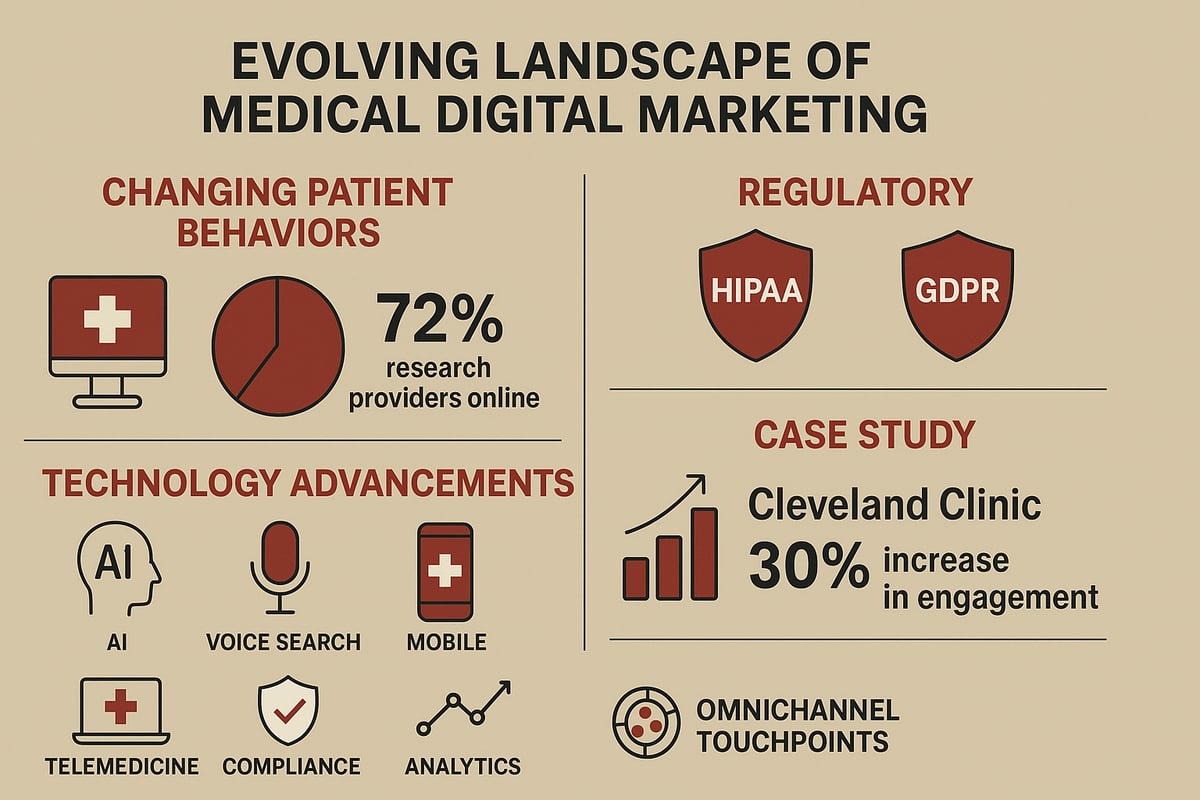
The landscape for any medical digital marketing company is undergoing a dramatic transformation. Healthcare providers and agencies must navigate shifting patient expectations, new regulations, and accelerated technology adoption. Understanding these changes is essential to developing strategies that drive results and ensure long-term growth.
Shifting Patient Behaviors and Expectations
Patients today are digital-first, with over 80% researching healthcare providers online before making decisions. The rise of telemedicine has made virtual care a standard expectation. Modern consumers seek immediate answers, transparent information, and personalized health content. For a medical digital marketing company, this means adapting strategies to reach patients where they are and delivering content that resonates with individual needs.
Regulatory and Compliance Challenges
Healthcare marketing is governed by strict privacy laws like HIPAA and GDPR. These regulations demand secure handling of patient data and transparent consent management. In addition, Google’s E-E-A-T and YMYL standards require medical content to be accurate, trustworthy, and authored by qualified experts. A medical digital marketing company must also comply with advertising restrictions on platforms like Google and Facebook, making compliance expertise non-negotiable.
Competitive Pressures and Market Saturation
The post-pandemic era has seen a surge in healthcare providers investing in digital outreach. Local markets are crowded, making it harder for any medical digital marketing company to stand out. Differentiation through branding, patient experience, and specialized content is now critical. For more tailored strategies, many agencies turn to Health and Wellness Marketing Insights to stay ahead of the curve.
Technology Advancements Shaping Strategy
Rapid advances in AI, machine learning, and predictive analytics are changing patient targeting and engagement. Voice search and mobile-first indexing are now essential considerations for every medical digital marketing company. Integrating CRM systems and marketing automation tools enables seamless, personalized interactions at every stage of the patient journey.
Data-Driven Decision Making
Analytics are central to optimizing marketing campaigns. A medical digital marketing company leverages data to measure ROI, track patient acquisition costs, and assess retention rates. Using real-time dashboards and performance metrics, agencies can refine strategies and allocate resources more effectively, ensuring that every marketing dollar delivers measurable value.
Example
Cleveland Clinic’s digital transformation exemplifies the rewards of a forward-thinking approach. By embracing omnichannel strategies and advanced analytics, they increased patient engagement by 30%. Their success story highlights how a medical digital marketing company can drive significant results by adapting to the evolving digital healthcare landscape.
9 Essential Medical Digital Marketing Company Strategies 2026
To thrive in the future, every medical digital marketing company must adapt to the latest innovations and patient expectations. The competitive landscape is shifting, and agencies that leverage advanced tactics will stand out. Below, we explore the nine essential strategies that will define success in 2026, each designed to enhance patient acquisition, brand trust, and measurable growth.
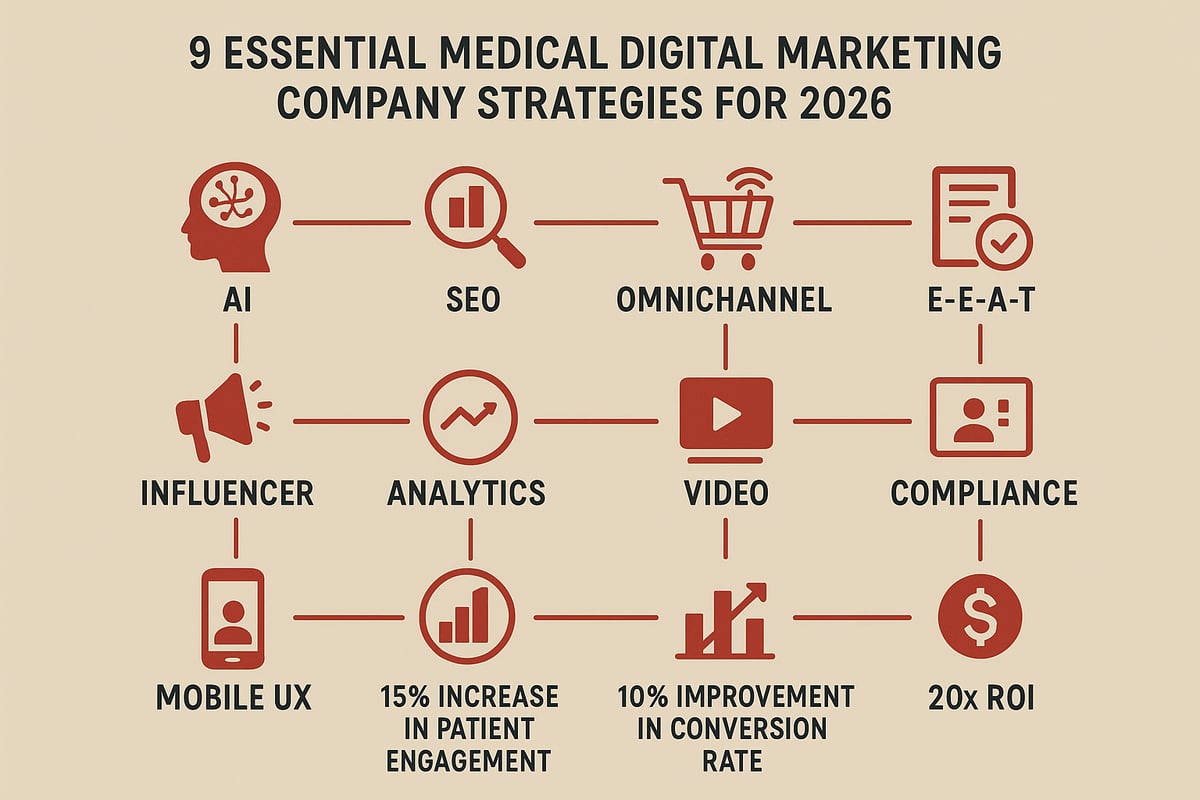
1. AI-Powered Patient Personalization
Personalization is the new standard for patient engagement. A leading medical digital marketing company will use AI algorithms to deliver tailored content, recommendations, and communications. Dynamic website experiences adjust based on user behavior, location, and demographics, keeping patients engaged at every step.
Chatbots powered by AI provide 24/7 support and streamline appointment scheduling. Predictive analytics anticipate patient needs before they arise, driving proactive engagement. For example, Mayo Clinic’s AI-driven symptom checker improved conversion rates by 18 percent, illustrating the measurable impact of this approach.
In a crowded landscape, personalized marketing stands out, helping agencies attract and retain more patients. The benefits are clear: higher engagement, improved satisfaction, and increased retention. For any medical digital marketing company, these results are essential to long-term growth.
2. Advanced Local SEO & Voice Search Optimization
A medical digital marketing company cannot ignore local search. Patients increasingly use voice assistants to find providers nearby. Optimizing your Google Business Profile is crucial for multi-location practices. Structured data and schema markup for medical services and practitioners help search engines understand and display your information accurately.
Ranking in “near me” and voice-activated searches requires a focus on conversational keywords and frequently asked questions. Encourage satisfied patients to leave reviews, and manage your reputation actively. According to BrightLocal, 46 percent of voice search users seek local business information daily. The outcome? Increased organic traffic and more appointment bookings for your clients.
3. Omnichannel Patient Journey Mapping
Patients expect a seamless experience across every touchpoint. An effective medical digital marketing company integrates websites, social media, email, SMS, and patient portals to create a cohesive journey. Each channel must work together, ensuring smooth transitions and consistent messaging from awareness to appointment.
Personalize communications for each stage of the patient journey. Attribution modeling allows you to track lead sources and optimize campaigns based on real data. Multi-channel campaigns can lead to 24 percent higher patient retention. CRM and marketing automation platforms are key tools for mapping and improving the patient experience at scale.
4. Content Authority & E-E-A-T for Medical Trust
Trust is the foundation of healthcare marketing. A medical digital marketing company must produce authoritative, expert-driven content—blogs, FAQs, and videos—showcasing credentials and citing reputable sources. Google’s E-E-A-T (Experience, Expertise, Authoritativeness, Trustworthiness) and YMYL (Your Money, Your Life) guidelines are critical for ranking health-related content.
Regular content audits ensure accuracy, compliance, and relevance. Featuring patient testimonials and clinical credentials boosts credibility. For example, Johns Hopkins Medicine’s content hub increased site dwell time by 35 percent, proving the value of high-quality information. The result: enhanced trust, improved search rankings, and stronger patient loyalty.
5. HIPAA-Compliant Digital Advertising
Advertising in healthcare comes with unique challenges. A medical digital marketing company must navigate restrictions around targeting and retargeting, especially on platforms like Google and Facebook. Use compliant ad platforms and secure landing pages to protect patient data.
Transparent consent management is essential for data collection and tracking. Facebook’s Special Ad Category for healthcare is one example of adapting to regulatory requirements. By focusing on compliant strategies, agencies drive effective lead generation without risking regulatory penalties. The key is balancing ROI with patient privacy and security.
6. Video Marketing & Telehealth Integration
Video content is dominating healthcare marketing. A medical digital marketing company should leverage live Q&A sessions, explainer videos, and patient testimonials to build trust and educate audiences. Promoting telemedicine services through engaging videos highlights accessibility and convenience.
Optimize videos for YouTube and Google search, using video SEO best practices. Platforms like Instagram Reels and TikTok also offer powerful ways to reach new patients. Telehealth promo videos have driven 60 percent more appointment requests, proving the ROI of this approach. Video is not just a trend—it is an essential communication tool for modern healthcare brands.
7. Data-Driven Performance Analytics
Success in healthcare marketing requires precise measurement. A medical digital marketing company must set clear KPIs, such as new patient acquisition, cost per lead, and engagement rates. Real-time dashboards keep campaigns on track and enable rapid adjustments.
A/B testing of ad creatives, landing pages, and calls to action uncovers what resonates with patients. Heatmaps and session recordings provide deeper insights into user behavior. Analytics-driven optimizations have cut acquisition costs by 22 percent in leading practices. Tools like Google Analytics 4, SEMrush, and Tableau are indispensable for data-driven growth.
8. Influencer & Community-Based Marketing
Building trust in healthcare often starts with community. A medical digital marketing company can partner with local healthcare influencers, patient advocates, and micro-influencers in specific specialties. Hosting webinars, virtual health fairs, and community events online fosters authentic engagement.
Encourage user-generated content and patient stories to humanize your brand. Influencer campaigns have increased brand awareness by 40 percent in the healthcare sector. Platforms such as Instagram, LinkedIn, and Facebook Groups are ideal for nurturing these relationships and expanding reach.
9. Mobile-First Web Design & UX
Patients expect a seamless mobile experience. Every medical digital marketing company should prioritize responsive, ADA-compliant website design for all devices. Fast load times, intuitive navigation, and mobile appointment scheduling are non-negotiable.
Secure patient portals add convenience while protecting sensitive data. Mobile-optimized sites see 70 percent higher conversion rates, making this approach critical for growth. Best practices include clear calls to action, minimal form fields, and easy access to contact information. The mobile experience is now the front door to your healthcare brand.
Building a Future-Ready Medical Digital Marketing Team
The future of healthcare marketing will be shaped by the teams driving innovation. A medical digital marketing company must cultivate talent and adapt to rapid industry shifts. The right mix of expertise, collaboration, and ongoing learning is essential for success in 2026 and beyond.
Essential Skills and Roles
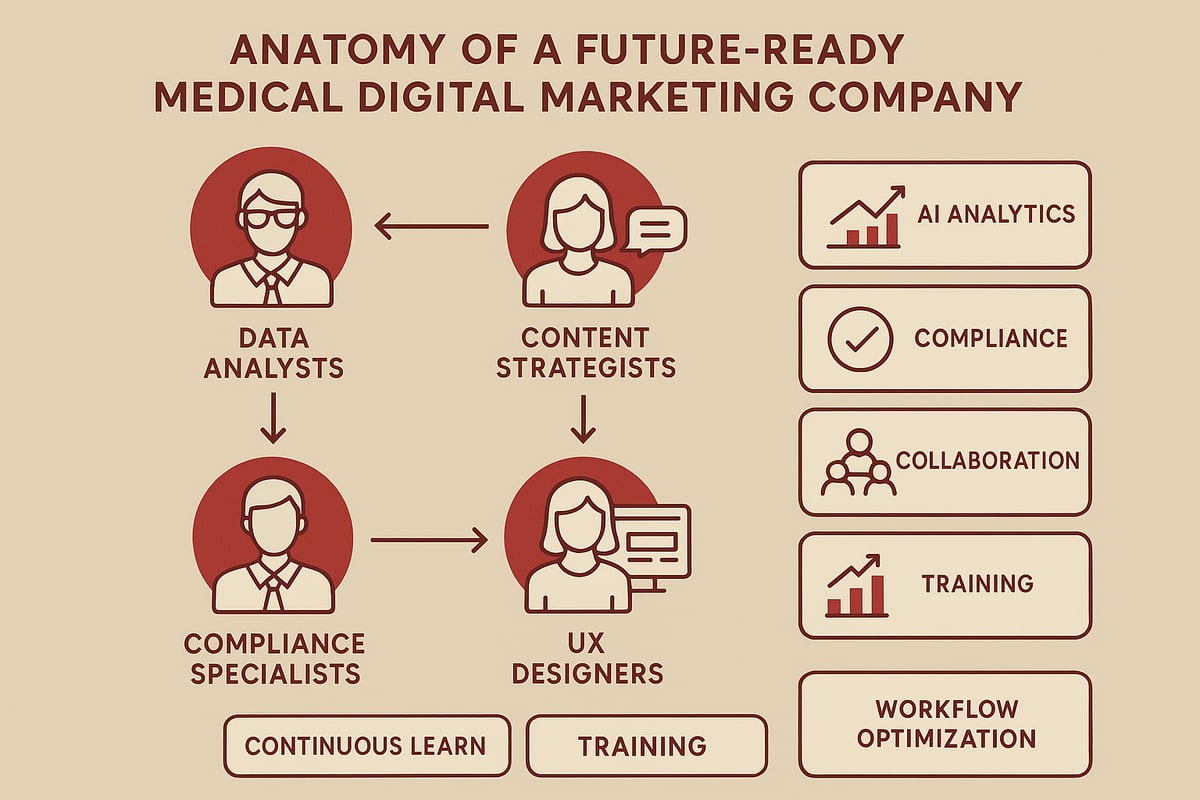
A high-performing medical digital marketing company must assemble a multidisciplinary team. Key roles include data analysts to interpret performance metrics, content strategists to ensure messaging aligns with patient needs, compliance specialists to navigate HIPAA and GDPR, and UX designers for seamless patient experiences.
Ongoing training in AI-powered tools, digital analytics, and regulatory updates is non-negotiable. Staying ahead in this space means investing in staff who can pivot quickly as technology and patient expectations evolve. For a deeper look at effective team building, see this Digital Marketing Team Structure resource.
Collaboration and Workflow Optimization
Agile collaboration is the backbone of a forward-thinking medical digital marketing company. Cross-functional teams—integrating sales, marketing, and clinical staff—drive unified messaging and campaign success. Workflow optimization tools, such as shared project management platforms and real-time dashboards, streamline execution and ensure accountability.
Regular strategy sessions foster open communication and rapid response to market changes. Unified branding efforts are also vital. Explore more about the impact of effective branding and teamwork in Branding in Digital Marketing.
Continuous Learning and Adaptation
To remain competitive, a medical digital marketing company must prioritize continuous learning. Attending industry conferences, participating in webinars, and earning certifications keep teams current with the latest trends. Monitoring Google algorithm updates and social platform changes is essential.
Knowledge sharing within the team accelerates adaptation, while investing in professional development programs builds long-term expertise. This commitment to growth ensures agencies can quickly integrate new technologies and marketing strategies.
Example
Consider the impact of team upskilling and collaboration. A mid-sized medical digital marketing company invested in advanced training and workflow tools. Within a year, they saw a 50 percent increase in marketing ROI.
This success story highlights how a focus on skills development and cross-team synergy can drive measurable results. Building a future-ready team is not just about hiring talent—it is about fostering a culture of learning, adaptability, and partnership across roles.
Future Trends Shaping Medical Digital Marketing Beyond 2026
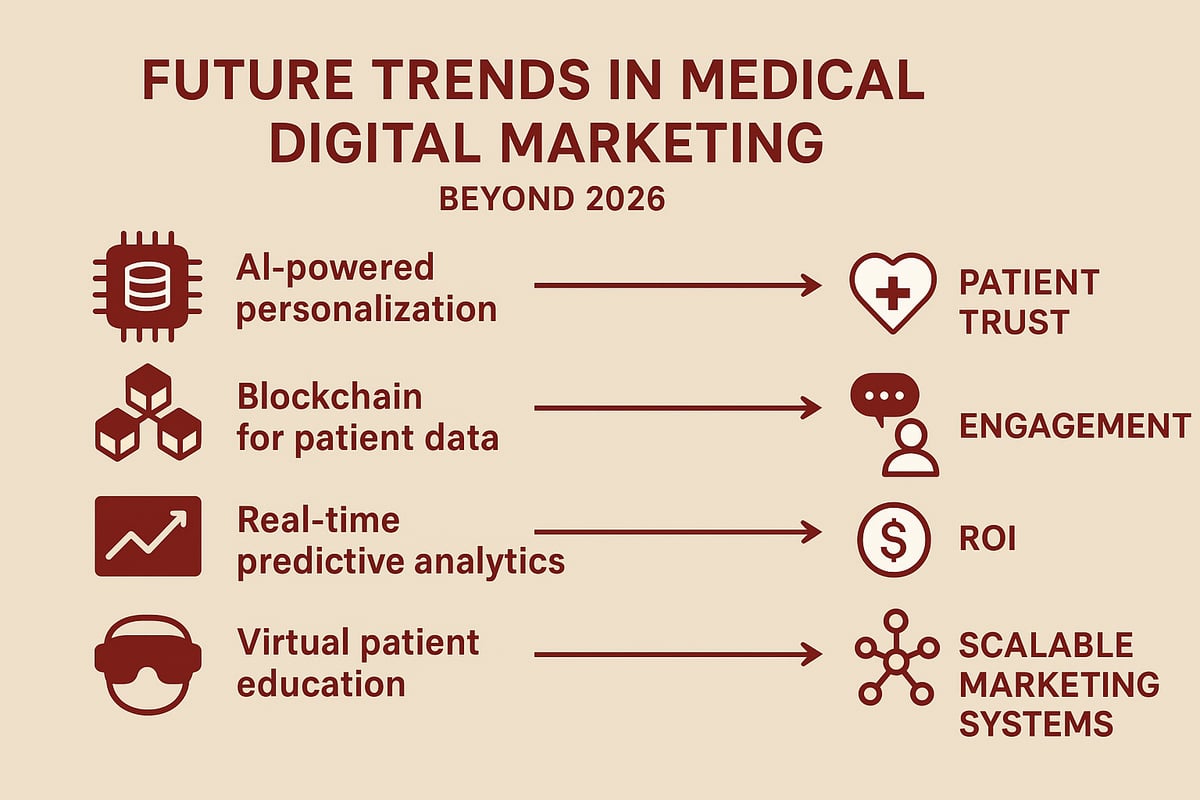
The healthcare sector is preparing for a new era, where staying ahead means embracing continuous change. Each medical digital marketing company must anticipate these shifts to remain competitive. Emerging trends like AI, Web3, and immersive technology are not just buzzwords—they are reshaping how providers engage, educate, and build trust with patients.
AI and Automation Evolution
Artificial intelligence is taking center stage, enabling medical digital marketing company teams to automate patient engagement and streamline care pathways. Predictive AI tools will handle appointment reminders, follow-ups, and even complex patient queries through conversational bots. As automation advances, marketing strategies will become more efficient and data-driven, ensuring patients receive timely, relevant information.
For a deeper dive into how AI-driven personalization is transforming healthcare marketing, see AI-Driven Personalization in Healthcare Marketing.
Web3 and Decentralized Health Platforms
Web3 is introducing decentralized ecosystems where patients control their own health data. Blockchain technology will allow a medical digital marketing company to guarantee secure consent management and tamper-proof patient records. These platforms empower users, fostering trust and transparency in every interaction.
Decentralized health communities will also create new opportunities for patient engagement and peer support, expanding the reach of digital campaigns.
Hyper-Personalization and Predictive Analytics
Hyper-personalization is set to redefine success for every medical digital marketing company. Real-time analytics will enable the delivery of customized content based on patient behavior, location, and needs. Predictive tools will anticipate what patients want before they even ask, increasing satisfaction and conversion rates.
The ability to adapt messaging dynamically will help providers nurture loyalty and guide patients through their healthcare journey.
AR/VR in Patient Education and Engagement
Augmented and virtual reality are transforming patient education, making complex medical concepts easy to understand. A medical digital marketing company can now offer virtual tours of facilities, interactive treatment simulations, and remote consultations.
For example, AR-based rehabilitation programs are already showing a 30% improvement in patient adherence. These technologies bring a new dimension to healthcare marketing, building deeper connections with audiences.
Preparing for the Next Wave
To stay ahead, every medical digital marketing company should invest in flexible, scalable tech stacks and foster a culture of innovation. Integrating omnichannel strategies and continuous learning will be crucial for adapting to future disruptions.
By embracing these trends, agencies and providers will not only meet evolving patient expectations but also drive sustainable growth and industry leadership.
After exploring how strategies like AI-powered personalization, advanced local SEO, and omnichannel engagement can shape the future of medical digital marketing, you might be curious to see these approaches in action. At Red Van Creative, we don’t just talk about results—we deliver them through innovative, relationship-driven solutions that truly connect brands with their audiences. If you’d like to see real-world examples of how we bring these strategies to life for healthcare and other industries, take a moment to See Our Work / View Our Portfolio.