

The digital marketing industry continues to expand rapidly, creating unprecedented opportunities for entrepreneurs ready to launch their own agencies. Whether you’re a marketing professional looking to go independent or an entrepreneur identifying a lucrative niche, the decision to start digital marketing business requires careful planning, strategic positioning, and a clear understanding of your target market. With businesses across all industries increasingly dependent on digital channels to reach customers, the demand for specialized marketing expertise has never been higher. The journey from concept to successful agency involves multiple stages, from defining your services and legal structure to building a client base and scaling operations.
Defining Your Digital Marketing Niche and Services
The foundation of any successful agency begins with clarity about what you offer and whom you serve. When you start digital marketing business, the temptation to be everything to everyone can dilute your effectiveness and make it difficult to establish expertise.
Industry specialization creates competitive advantages that generalist agencies cannot replicate. Consider focusing on sectors where you have existing knowledge or connections, such as healthcare, construction, retail, or professional services. This approach allows you to develop deep understanding of industry-specific challenges, regulatory requirements, and customer behaviors.
Your service portfolio should align with your expertise and market demand. Common offerings include:
- Search engine optimization (SEO) and content marketing
- Pay-per-click advertising management
- Social media marketing and community management
- Website design and development
- Email marketing automation
- Brand strategy and identity development
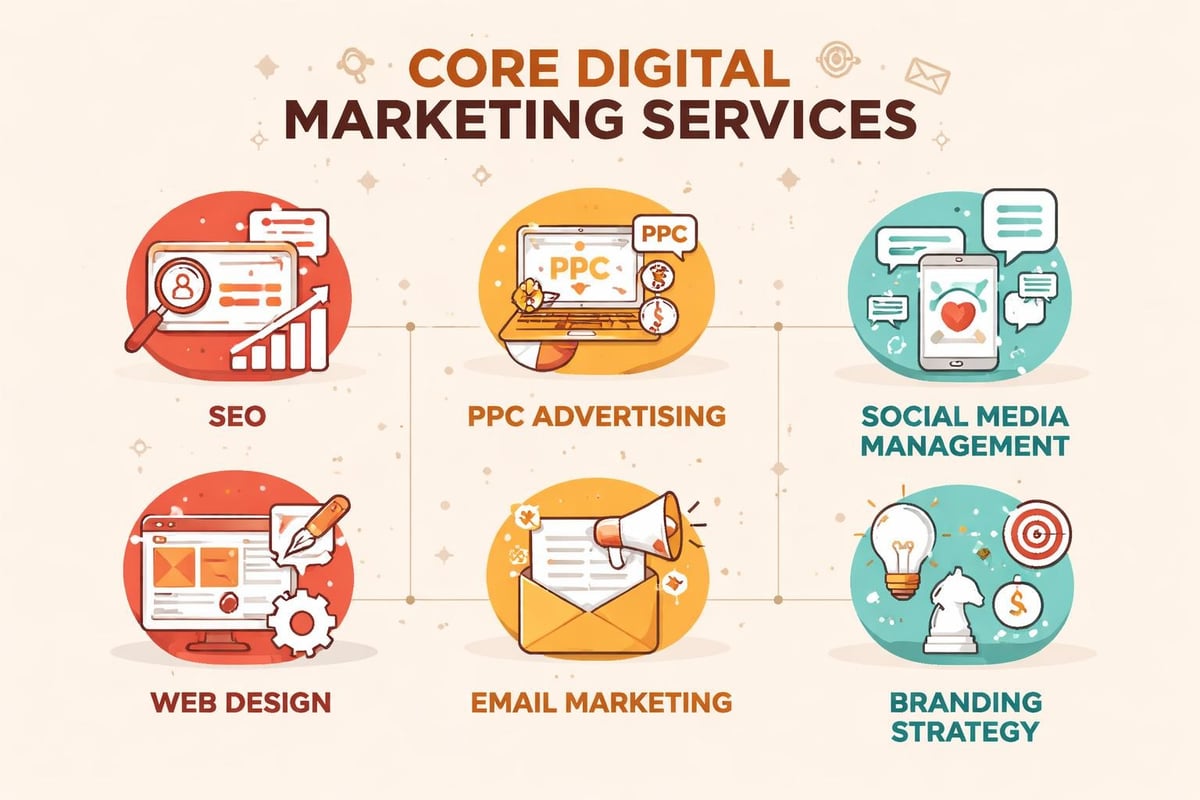
Rather than offering every possible service initially, identify three to five core competencies where you can deliver exceptional results. This focused approach enables you to build case studies, refine processes, and develop repeatable systems. A digital agency for small businesses often succeeds by mastering specific services that deliver measurable ROI.
Identifying Your Ideal Client Profile
Understanding who needs your services most critically impacts your marketing efforts and business development strategy. Create detailed buyer personas that include company size, industry, annual revenue, marketing budget, and specific pain points your services address.
Small businesses with 10-50 employees often need comprehensive support but have limited budgets. Mid-market companies typically require specialized services to complement internal teams. Enterprise organizations may seek agencies for specific campaigns or overflow work. Each segment requires different pricing models, communication approaches, and service delivery methods.
Establishing Legal and Financial Foundations
The administrative framework supporting your agency determines long-term stability and growth potential. When you start digital marketing business, selecting the appropriate business structure affects taxation, liability protection, and operational flexibility.
Most agency owners choose between sole proprietorship, limited liability company (LLC), or corporation. LLCs offer liability protection while maintaining tax advantages and operational simplicity. Legal and administrative requirements vary by state but typically include registering your business name, obtaining an Employer Identification Number (EIN), and securing necessary licenses.
| Business Structure | Liability Protection | Tax Treatment | Administrative Complexity |
|---|---|---|---|
| Sole Proprietorship | None | Pass-through | Low |
| LLC | Yes | Pass-through (default) | Medium |
| S-Corporation | Yes | Pass-through | High |
| C-Corporation | Yes | Double taxation | Very High |
Financial planning extends beyond structure selection. Establish separate business banking accounts immediately to maintain clean financial records. Set aside 25-30% of revenue for taxes, especially during your first year when estimated quarterly payments become necessary.
Startup Costs and Funding Considerations
Initial investment requirements vary significantly based on your approach. A lean startup operating from home with existing equipment might launch with $2,000-$5,000 for software subscriptions, website development, and basic marketing materials. Understanding costs and profitability helps set realistic expectations and financial targets.
Full-service agencies requiring office space, equipment, and initial staff may need $25,000-$50,000 or more. Key expense categories include:
- Software and tools (project management, analytics, design, automation)
- Professional website and branding materials
- Insurance (general liability, professional liability, cyber insurance)
- Marketing and business development
- Legal and accounting services
- Office space and equipment (if not home-based)
Funding options include personal savings, small business loans, business credit cards, or revenue-based financing. Securing startup funding often requires a comprehensive business plan demonstrating market opportunity, competitive positioning, and financial projections.
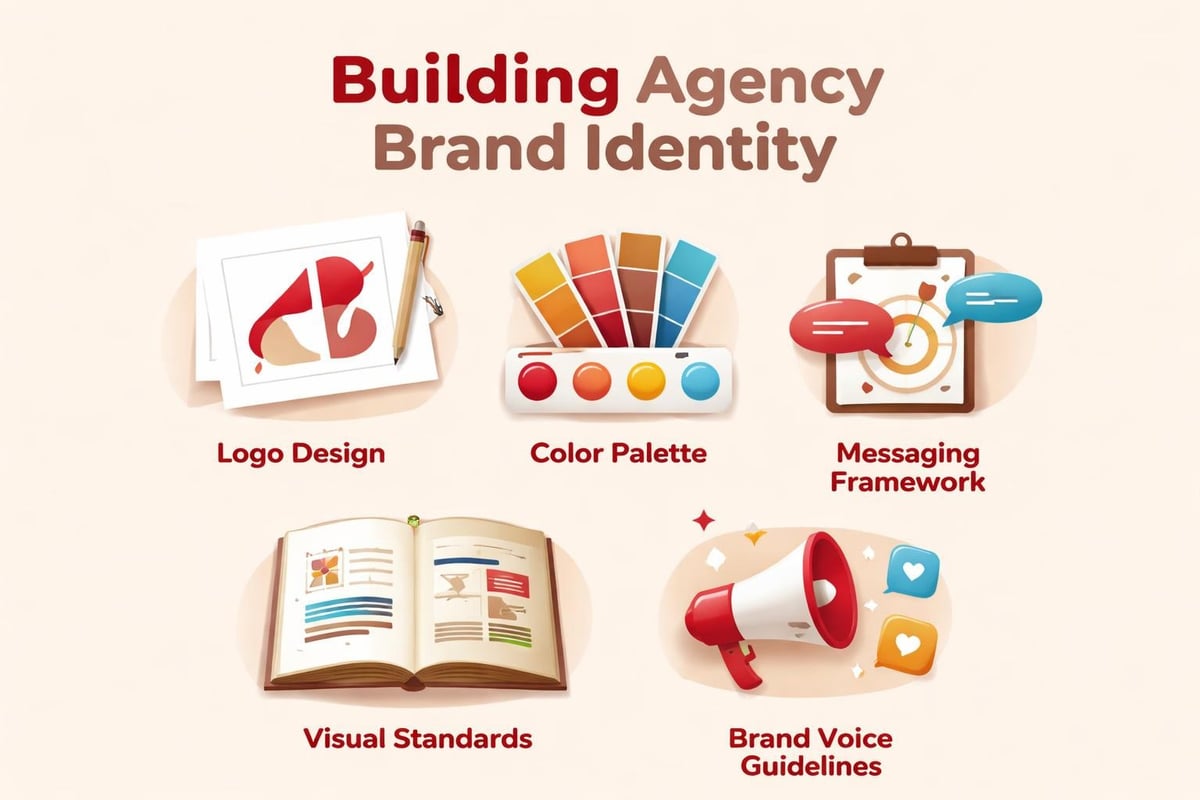
Building Your Agency’s Brand and Online Presence
Your agency’s brand represents your first opportunity to demonstrate marketing expertise. When you start digital marketing business, your own digital presence becomes your most important portfolio piece and credibility indicator.
Website development should prioritize user experience, clear messaging, and conversion optimization. Your site must articulate your value proposition within seconds, showcase relevant case studies, and make contact effortless. Essential pages include services, about, portfolio or case studies, testimonials, and contact information.
Professional marketing agency website design balances aesthetics with functionality, ensuring fast load times, mobile responsiveness, and intuitive navigation. Include lead capture mechanisms throughout your site, from newsletter signup to consultation request forms.
Content Marketing and Thought Leadership
Establishing expertise through content creation positions your agency as a trusted authority. Develop a content strategy that addresses prospect questions, demonstrates industry knowledge, and provides genuine value.
Blog posts, case studies, and industry insights should target keywords your prospects search for while showcasing your expertise. Topics might include industry-specific marketing strategies, platform updates, campaign optimization techniques, or marketing trend analysis. Digital business strategy content attracts decision-makers researching solutions to their marketing challenges.
Consistency matters more than volume. Publishing one high-quality article weekly builds more authority than sporadic, rushed content. Repurpose written content into social media posts, email newsletters, video scripts, and presentation materials to maximize value from each piece.
Acquiring Your First Clients and Building Momentum
Client acquisition represents the most challenging aspect of launching an agency. When you start digital marketing business, revenue generation becomes urgent, but desperation undermines credibility and negotiating power.
Your network provides the fastest path to initial clients. Former colleagues, industry contacts, friends, and family all represent potential first customers or referral sources. Reach out personally, explain your new venture, and ask whether they know businesses needing digital marketing support.
Effective outreach strategies include:
- Personalized email campaigns to targeted prospects
- LinkedIn engagement and connection building
- Local business networking events and chambers of commerce
- Strategic partnerships with complementary service providers
- Speaking engagements at industry conferences or local events
The importance of collaboration with channel partners and strategic alliances can accelerate growth significantly. Web developers, PR firms, and business consultants often encounter clients needing digital marketing services but lack in-house capabilities.
Pricing Models and Service Packages
Establishing profitable pricing requires understanding market rates, your costs, and the value you deliver. Common pricing models include hourly rates, monthly retainers, project-based fees, and performance-based compensation.
Monthly retainers provide revenue predictability and enable ongoing optimization that delivers better results. Package your services into tiered offerings (basic, professional, enterprise) that address different client needs and budgets. A basic package might include essential services at an accessible price point, while premium tiers incorporate comprehensive strategies and dedicated support.
| Package Level | Monthly Investment | Included Services | Ideal Client |
|---|---|---|---|
| Starter | $2,000-$3,500 | 2-3 core services, basic reporting | Small businesses, startups |
| Growth | $4,000-$7,500 | 4-5 services, advanced analytics, strategy | Established small to mid-market |
| Premium | $8,000-$15,000+ | Comprehensive services, dedicated team | Mid-market to enterprise |
Avoid underpricing to win business. Competing on price attracts clients focused solely on cost rather than value, creating unsustainable relationships. Position your services based on ROI and business impact rather than hourly rates or task completion.
Developing Operational Systems and Workflows
Scalable operations separate agencies that plateau from those that grow consistently. When you start digital marketing business, establishing processes early prevents chaos as client count increases.
Project management systems provide structure for client work, internal collaboration, and deadline management. Platforms like Asana, Monday.com, or ClickUp enable task assignment, progress tracking, and client communication within centralized environments.
Standard operating procedures (SOPs) for recurring activities improve efficiency and consistency. Document workflows for:
- Client onboarding and kickoff processes
- Content creation and approval cycles
- Campaign setup and optimization procedures
- Reporting and performance review meetings
- Invoice generation and payment collection
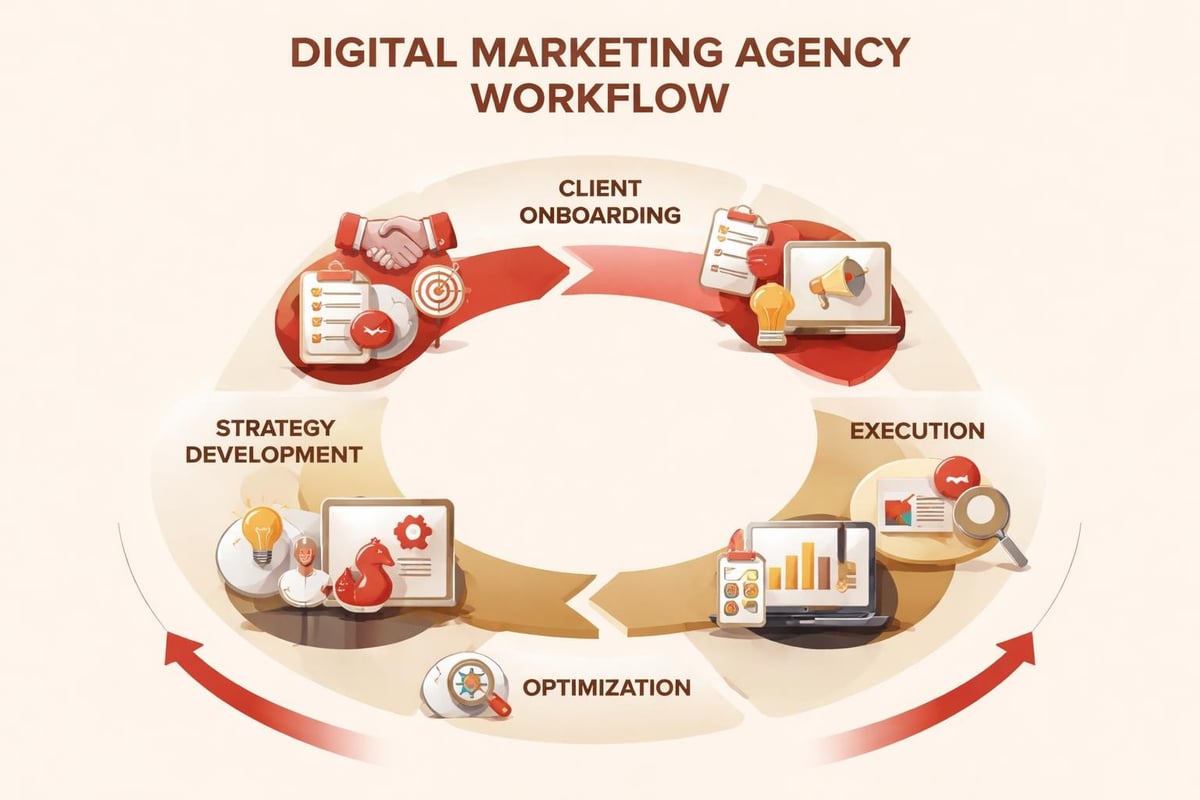
Automation tools reduce manual work and minimize errors. Email marketing platforms, social media schedulers, reporting dashboards, and CRM systems handle repetitive tasks, freeing your time for strategic work and client relationships. PPC consultancy services, for example, benefit significantly from automated bid management and performance tracking.
Building Your Team Strategically
Initial growth often requires adding capacity without the financial commitment of full-time employees. Freelancers and contractors provide specialized skills for specific projects or client needs. As revenue stabilizes, consider hiring your first full-time team member in an area where demand consistently exceeds your personal capacity.
Common first hires include account managers to handle client communication, content creators to produce deliverables, or specialists in high-demand services like SEO or paid advertising. Each addition should directly enable revenue growth exceeding their compensation cost.
Marketing Your Digital Marketing Business
The irony of agencies struggling to market themselves is not lost on potential clients. Your marketing effectiveness directly demonstrates capabilities and builds credibility. When you start digital marketing business, your own marketing becomes your most visible case study.
Social media presence should reflect your target audience preferences. B2B agencies typically find LinkedIn most effective, while agencies serving consumer brands might emphasize Instagram or TikTok. Share insights, celebrate client wins (with permission), and engage authentically with your community rather than broadcasting promotional messages.
Setting SMART goals for your marketing efforts ensures accountability and measurable progress. Define specific targets for website traffic, lead generation, conversion rates, and customer acquisition costs. Regular review and adjustment based on performance data optimize your marketing investment.
Email marketing nurtures prospects not ready to commit immediately. Provide value through educational content, industry news, and strategic insights that position your agency as the obvious choice when they’re ready to engage services. Segment your list based on industry, company size, or expressed interests to deliver relevant messaging.
Leveraging Local Market Opportunities
Geographic proximity creates advantages in relationship-building and service delivery. Local web marketing strategies help agencies establish strong regional presence before expanding. Sponsor local business events, participate in chamber activities, and build relationships with other professional service providers serving your target market.
Local case studies resonate strongly with nearby prospects who recognize referenced businesses or understand specific market dynamics. Highlight results for recognizable local companies, demonstrating your understanding of regional customer behaviors and competitive landscapes.
Measuring Success and Refining Your Approach
Data-driven decision-making separates successful agencies from those that struggle. When you start digital marketing business, establishing key performance indicators (KPIs) provides objective success measures and identifies improvement opportunities.
Client-focused metrics include retention rate, customer lifetime value, Net Promoter Score, and client satisfaction ratings. These indicators reveal whether you’re delivering sufficient value to maintain relationships and generate referrals.
Internal operational metrics track agency health: revenue per employee, profit margins, client acquisition cost, sales cycle length, and proposal win rate. Monitor these monthly to identify trends requiring attention.
Financial management requires vigilance, particularly regarding cash flow. Late client payments can jeopardize operations even when profitability appears solid. Implement clear payment terms, require deposits for new projects, and follow up promptly on overdue invoices.
| Metric Category | Key Indicators | Target Range | Review Frequency |
|---|---|---|---|
| Financial | Profit margin, cash reserves | 20-35%, 3-6 months | Monthly |
| Client | Retention rate, NPS | 85%+, 50+ | Quarterly |
| Operational | Utilization rate, project margin | 75-85%, 40%+ | Monthly |
| Growth | New clients, revenue growth | Industry varies | Monthly |
Continuous learning keeps your skills current and service offerings competitive. Digital marketing evolves rapidly, with platform changes, algorithm updates, and emerging technologies constantly reshaping best practices. Allocate time and budget for professional development through courses, conferences, certifications, and industry publications.
Scaling Your Agency for Long-Term Growth
Sustainable growth requires intentional strategy beyond simply acquiring more clients. When you start digital marketing business, planning for scale from the beginning creates pathways for expansion without operational breakdown.
Specialization enables premium positioning as your agency matures. Rather than remaining generalists, consider developing renowned expertise in specific services or industries. Medical digital marketing companies, for instance, command higher fees due to specialized knowledge of healthcare regulations, patient privacy requirements, and medical industry dynamics.
Systematization creates transferable knowledge that doesn’t depend entirely on you. Document processes, create training materials, and build knowledge bases that enable team members to deliver consistent quality. This infrastructure becomes increasingly valuable as you add staff and serve more clients simultaneously.
Revenue diversification reduces risk and creates stability. Beyond client services, explore additional income streams like affiliate partnerships, digital products (templates, courses, tools), speaking engagements, or SaaS tools addressing agency needs. These supplementary revenues can fund operations during client acquisition gaps.
Strategic planning should extend three to five years forward, identifying growth targets, required capabilities, market positioning, and competitive differentiation. While specific tactics will evolve, overarching strategic direction provides decision-making guidance and resource allocation priorities.
Building a successful digital marketing agency requires strategic planning, operational excellence, and unwavering commitment to delivering measurable client results. The journey to start digital marketing business combines entrepreneurial vision with marketing expertise, creating opportunities for both financial success and professional fulfillment. Whether you’re just beginning or looking to refine your existing agency operations, partnering with experienced professionals can accelerate your growth and help you avoid common pitfalls. Red Van Creative has been helping businesses build authentic customer relationships through holistic digital marketing since 1999, bringing over 25 years of expertise across diverse industries from healthcare to construction. If you’re ready to take your marketing efforts to the next level, connect with our team to discover how strategic digital marketing creates lasting business growth.