
The landscape of business promotion has transformed dramatically over the past two decades, with digital marketing and social media emerging as the cornerstone of successful customer engagement. Companies that once relied solely on traditional advertising channels now recognize that their audience spends considerable time online, consuming content, researching products, and making purchasing decisions through digital touchpoints. This shift has created both opportunities and challenges for businesses seeking to establish meaningful connections with their target markets while navigating an increasingly complex array of platforms, tools, and strategies.
Understanding the Foundation of Modern Marketing
Digital marketing and social media represent two interconnected disciplines that, when properly aligned, create a powerful engine for business growth. Digital marketing encompasses all marketing efforts that use electronic devices or the internet, including search engine optimization, email campaigns, content marketing, and paid advertising. Social media marketing specifically focuses on leveraging platforms like Facebook, Instagram, LinkedIn, and Twitter to build brand awareness and foster community engagement.
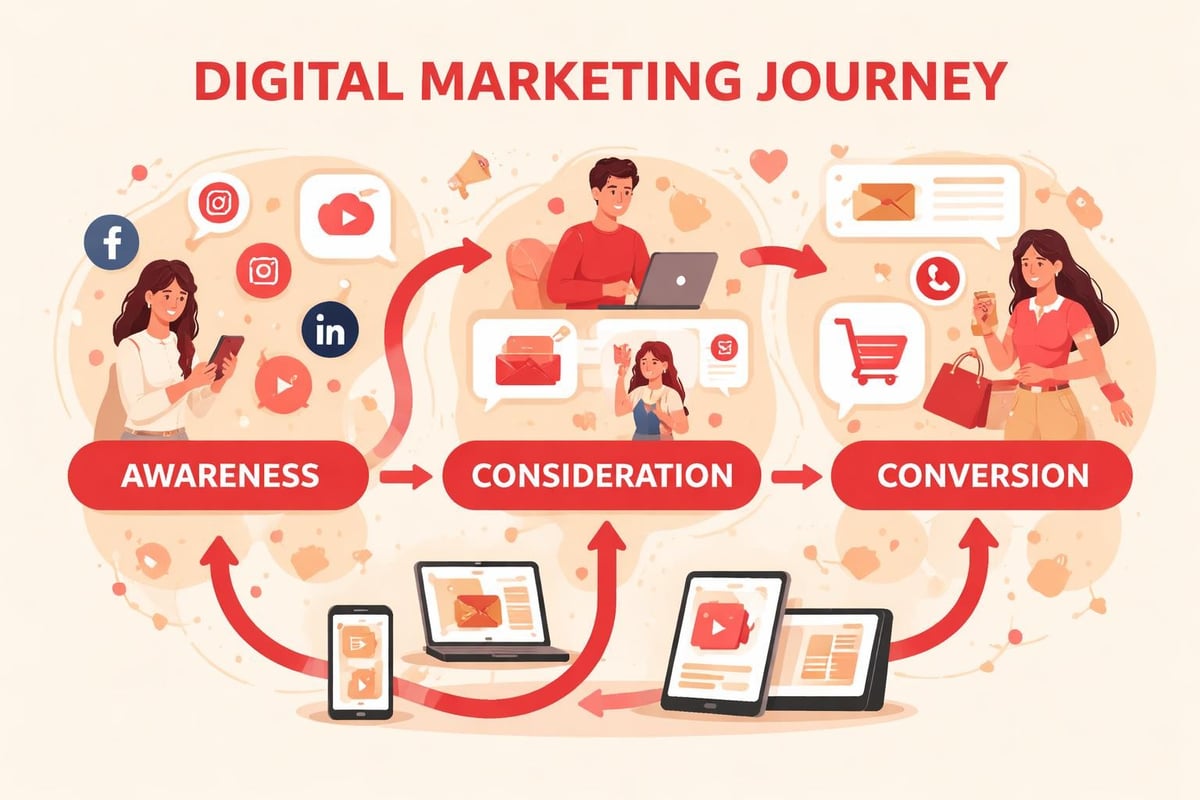
The synergy between these approaches becomes apparent when businesses develop integrated strategies. A well-optimized website drives organic traffic through SEO while social channels amplify that content to broader audiences. Paid advertising campaigns can run simultaneously across search engines and social platforms, creating multiple touchpoints that guide prospects through the customer journey.
The Evolution of Customer Engagement
Traditional marketing operated on a broadcast model where companies pushed messages to passive audiences. Today's environment demands conversation and participation. Customers expect brands to respond to questions, acknowledge feedback, and provide value beyond direct product promotion.
This transformation requires businesses to approach digital marketing and social media with a mindset focused on relationship building rather than simple transactions. Companies in industries ranging from healthcare to construction must demonstrate expertise, share insights, and position themselves as trusted advisors within their respective fields.
Building a Cohesive Strategy Across Channels
Successful integration of digital marketing and social media begins with clear objectives tied to business outcomes. Whether the goal involves increasing brand awareness, generating qualified leads, or driving direct sales, every tactic should align with measurable targets.
Key components of an integrated approach include:
- Consistent brand messaging across all digital properties and social platforms
- Content calendars that coordinate publishing schedules between blogs, email, and social posts
- Cross-channel promotion where website content gets distributed through social channels
- Unified analytics tracking to measure performance holistically rather than in silos
- Audience segmentation that informs both paid advertising and organic content strategies
The businesses that excel in this space recognize that their website serves as the central hub while social media acts as distribution channels and engagement points. A comprehensive digital agency for small businesses approach ensures these elements work together seamlessly rather than competing for resources or sending conflicting messages.
Platform Selection and Prioritization
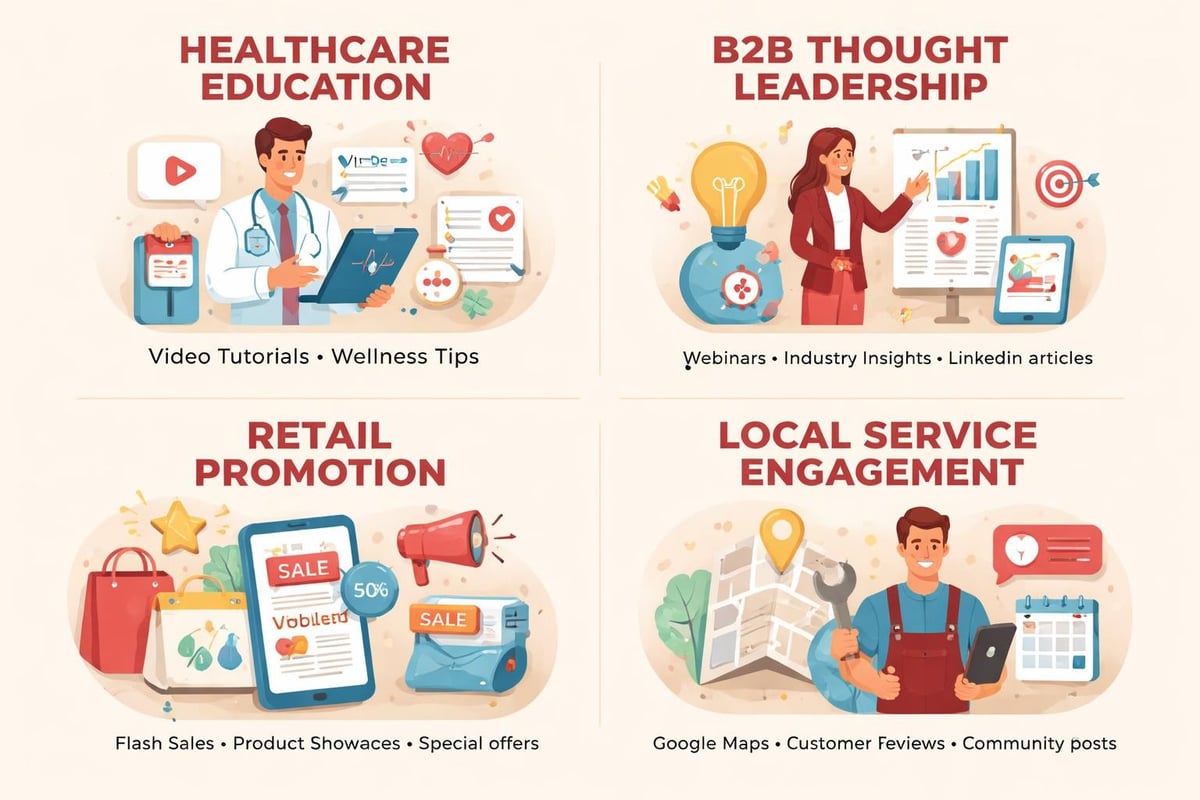
Not every social platform deserves equal attention. B2B companies often find greater success on LinkedIn, where professional audiences gather to consume industry insights and build networks. Retail brands may prioritize Instagram and Pinterest for their visual storytelling capabilities. Local service providers benefit from maintaining active Google Business Profiles and engaging with community-focused Facebook groups.
The most effective strategies involve selecting platforms based on where target audiences spend time rather than attempting to maintain a presence everywhere. This focused approach allows for deeper engagement and more consistent content quality.
| Platform Type | Best For | Content Format | Engagement Style |
|---|---|---|---|
| B2B, Professional Services | Articles, Industry Insights | Thought Leadership | |
| Retail, Visual Brands | Images, Stories, Reels | Lifestyle Integration | |
| Local Businesses, Community | Mixed Media, Events | Conversation, Reviews | |
| News, Real-time Updates | Short Text, Links | Quick Interactions |
Content Creation That Drives Results
Quality content serves as the fuel powering both digital marketing and social media efforts. Without valuable, relevant material to share, even the most sophisticated distribution strategies fall flat. The challenge lies in producing content that simultaneously satisfies search engine algorithms, provides genuine value to audiences, and supports business objectives.
Effective content strategies blend multiple formats to accommodate different audience preferences and platform requirements. Written blog posts optimized for search engines can be repurposed into social media graphics, short video snippets, email newsletter segments, and podcast episodes. This multi-format approach maximizes the return on content creation investments while reaching audiences across their preferred consumption channels.
Establishing Authority Through Strategic Content
Building brand authority through strategic content requires consistency and expertise demonstrated over time. Businesses cannot expect a single viral post or whitepaper to establish credibility. Instead, authority develops through regular publication of insights that help audiences solve problems, make informed decisions, or understand complex topics.
Organizations with deep industry experience possess natural advantages in content creation. A company with 25 years in digital marketing can draw from real client successes, evolving best practices, and lessons learned through changing algorithm updates. This historical perspective provides unique angles that newer competitors cannot replicate.
The integration of authoritative sources in content marketing strengthens credibility while providing readers with additional resources for deeper exploration. Citing research, industry studies, and expert opinions demonstrates thorough preparation and commitment to accuracy rather than simply promoting services.
Social Media Marketing Fundamentals
Social media marketing and branding extends far beyond posting updates and collecting followers. The most successful programs treat social platforms as opportunities to demonstrate brand personality, provide customer service, gather market intelligence, and nurture relationships that eventually convert into business outcomes.
Core principles of effective social media marketing include:
- Consistent brand voice across all platforms while adapting tone to each channel's culture
- Regular engagement with comments, messages, and mentions rather than one-way broadcasting
- Value-first approach where educational and entertaining content outnumbers promotional posts
- Visual consistency through templates, color schemes, and design elements that reinforce brand recognition
- Strategic timing based on when target audiences actively use each platform
The businesses that gain the most traction understand that social media success requires patience and genuine community building. Quick wins exist in paid advertising, but organic growth and authentic engagement develop gradually through consistent effort.
Paid Social Advertising Integration
While organic reach continues to decline across major platforms, paid social advertising offers precision targeting capabilities that complement broader digital marketing initiatives. Businesses can reach specific demographics, geographic regions, interest groups, and even people who recently visited their websites.
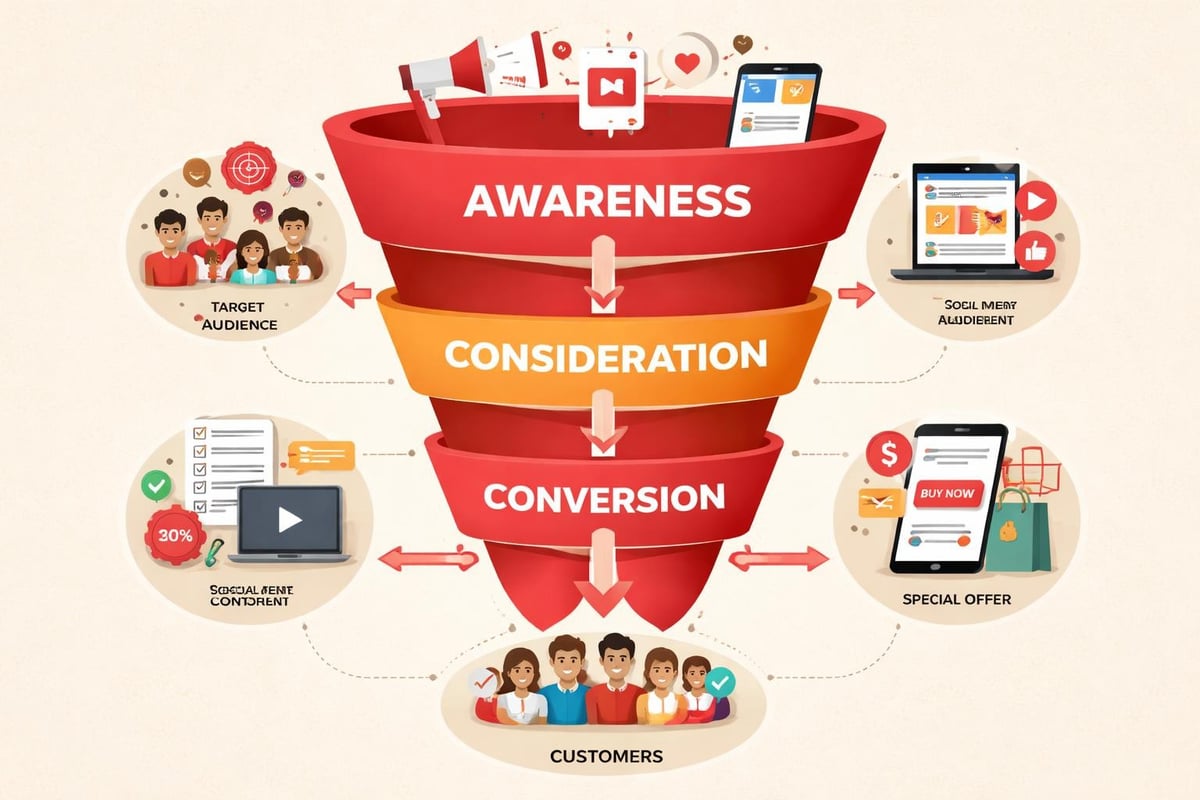
The integration between PPC consultancy strategies and social advertising creates opportunities for sophisticated campaigns. Retargeting website visitors with social ads keeps brands top-of-mind during consideration phases. Lookalike audiences help discover new prospects who share characteristics with existing customers. Custom audiences enable direct communication with email subscribers through paid social channels.
Measuring Performance and Optimizing Campaigns
Digital marketing and social media provide unprecedented measurement capabilities compared to traditional advertising channels. Every click, view, share, and conversion generates data that informs strategic decisions. However, the abundance of available metrics can overwhelm businesses without clear frameworks for evaluation.
Effective measurement begins with identifying key performance indicators tied directly to business goals. E-commerce companies track revenue per channel and return on ad spend. Service businesses monitor lead quality and conversion rates. Brand awareness campaigns measure reach, engagement, and sentiment.
Analytics Tools and Reporting Frameworks
Modern marketers rely on multiple analytics platforms to gain comprehensive performance views. Google Analytics tracks website traffic sources and user behavior. Social platform native analytics reveal post performance and audience demographics. Customer relationship management systems connect marketing activities to actual sales outcomes.
| Metric Category | Key Indicators | Business Impact |
|---|---|---|
| Traffic | Sessions, Users, Page Views | Audience Growth |
| Engagement | Time on Site, Pages per Session, Social Interactions | Content Quality |
| Conversion | Form Submissions, Purchases, Downloads | Revenue Generation |
| Retention | Return Visitors, Email Open Rates, Customer Lifetime Value | Relationship Strength |
Social media marketing websites that incorporate conversion tracking and clear calls to action provide clearer paths from engagement to business outcomes. The goal extends beyond accumulating likes and followers to generating measurable results that justify marketing investments.
Industry-Specific Applications and Strategies
Different industries require tailored approaches to digital marketing and social media based on their unique customer journeys, regulatory environments, and competitive landscapes. A healthcare provider faces different challenges and opportunities than a construction company or retail brand.
Healthcare Marketing Considerations
Medical digital marketing must balance promotional objectives with strict privacy regulations and professional standards. Healthcare organizations excel when they focus content on patient education, preventive care information, and community health initiatives rather than aggressive service promotion.
Social media in healthcare serves primarily as a platform for building trust and demonstrating expertise. Patient testimonials, doctor profiles, health tips, and facility updates humanize medical practices while addressing common questions. Paid advertising drives awareness for specific services while organic content nurtures long-term relationships.
Construction and Industrial Marketing
Companies in construction, oil and gas, and related industries often target specialized B2B audiences with longer sales cycles and higher transaction values. Digital marketing and social media strategies in these sectors emphasize thought leadership, project showcases, and technical expertise.
LinkedIn becomes the primary social platform for reaching decision-makers, while company websites serve as comprehensive resources featuring case studies, service descriptions, and industry insights. Content marketing focuses on addressing industry challenges, regulatory updates, and innovation trends that position the company as a knowledgeable partner.
Local Marketing and Community Connection
Geographic targeting capabilities in digital marketing and social media create powerful opportunities for businesses serving specific regions. Local companies can dominate their markets through local web marketing strategies that combine location-based advertising, community engagement, and localized content.
Effective local digital marketing tactics include:
- Google Business Profile optimization with regular posts, photos, and review responses
- Location-specific landing pages targeting neighborhood and city keywords
- Social media engagement with local events, news, and community organizations
- Geo-targeted advertising that reaches prospects within service areas
- Partnership content featuring other local businesses and organizations
Houston-based businesses benefit from emphasizing local connections in their messaging. References to neighborhoods, regional challenges, and community involvement create authenticity that resonates with nearby customers while differentiating from national competitors.
Building Geographic Authority
Search engines increasingly prioritize local businesses for geographically-relevant queries. A combination of consistent NAP (name, address, phone) information across directories, locally-focused content, and community engagement signals helps establish geographic authority.
Social media amplifies local presence through check-ins, location tags, and community-focused content. Sharing participation in local events, supporting regional causes, and highlighting local team members strengthens the connection between brand and place.
Long-Term Strategy Development
Sustainable success in digital marketing and social media requires viewing these disciplines as ongoing commitments rather than one-time projects. Algorithm updates, platform changes, and evolving consumer behaviors demand continuous learning and adaptation.
The businesses that thrive over time invest in digital business strategy development that aligns marketing efforts with broader organizational goals. This strategic approach ensures resources flow toward highest-impact activities while maintaining flexibility to capitalize on emerging opportunities.
Staying Current With Industry Evolution
The digital landscape evolves rapidly, with new platforms, features, and best practices emerging regularly. Keeping up with industry developments through reputable sources helps marketers anticipate changes rather than react after competitors gain advantages.
Professional development through industry publications, conferences, and ongoing education ensures teams maintain relevant skills. Understanding how social media content influences traditional media and other cross-channel dynamics provides strategic insights that inform campaign planning.
Integration With Traditional Marketing
While digital channels dominate modern marketing discussions, traditional tactics still play roles in comprehensive strategies. The most effective approaches integrate digital marketing and social media with print advertising, direct mail, events, and public relations efforts.
Cross-channel campaigns that coordinate messaging across digital and traditional touchpoints create reinforcing effects. A direct mail piece drives recipients to a landing page. Radio advertising mentions social media contests. Event attendees receive follow-up email sequences. Each channel supports the others while reaching audiences through their preferred media.
Maintaining Brand Consistency
Whether customers encounter a brand through Instagram, search results, billboards, or trade show booths, they should experience consistent visual identity, messaging, and values. This consistency builds recognition and trust while preventing confusion about what the company represents.
Brand guidelines that govern logo usage, color palettes, typography, and tone of voice ensure coherent presentation across all marketing materials. Marketing agency website design and social profile development should reference these standards to maintain visual and verbal consistency.
Ethical Considerations and Transparency
As digital marketing and social media capabilities expand, ethical questions around data usage, targeting practices, and disclosure requirements demand attention. Businesses build stronger long-term relationships through transparent practices that respect customer privacy and clearly identify promotional content.
Proper disclosure of affiliate marketing relationships and sponsored content maintains audience trust while complying with regulatory requirements. Clear privacy policies, opt-in email practices, and respectful use of customer data demonstrate commitment to ethical standards.
Authenticity represents perhaps the most important ethical consideration in digital marketing and social media. Audiences quickly detect inauthentic messaging, fake reviews, or misleading claims. Companies that communicate honestly about their capabilities, acknowledge shortcomings, and deliver on promises build sustainable competitive advantages based on reputation rather than manipulation.
The intersection of digital marketing and social media creates unprecedented opportunities for businesses to connect with audiences, demonstrate expertise, and drive measurable results through integrated strategies. Success requires commitment to quality content, consistent engagement, strategic measurement, and authentic relationship building across all digital touchpoints. Red Van Creative brings over 25 years of experience helping Houston businesses navigate this complex landscape through holistic marketing approaches that combine website design, SEO, branding, and targeted advertising into cohesive strategies that deliver authentic results. Whether you're looking to establish your digital presence or optimize existing efforts, our team develops customized solutions that align with your specific industry challenges and business objectives.