
The digital landscape of 2026 demands more than just a functional website or scattered marketing efforts. Businesses require an integrated approach that combines compelling website design and marketing services into a cohesive strategy. When these two disciplines work in harmony, they create a powerful engine for attracting, engaging, and converting customers. This comprehensive guide explores how professional agencies blend design expertise with strategic marketing to deliver measurable results across industries ranging from healthcare to construction to retail.
The Foundation of Integrated Website Design and Marketing Services
Modern website design and marketing services must work as complementary forces rather than separate initiatives. A website serves as the central hub for all marketing activities, making its design critical to campaign success. Every element from navigation structure to color psychology influences how visitors perceive your brand and whether they take desired actions.
The relationship between design and marketing extends beyond aesthetics. Strategic website architecture supports SEO efforts, while intuitive user interfaces increase conversion rates from paid advertising campaigns. Effective web design principles emphasize simplicity, visual hierarchy, and user-centric layouts that directly impact marketing performance metrics.
Strategic Planning Before Execution
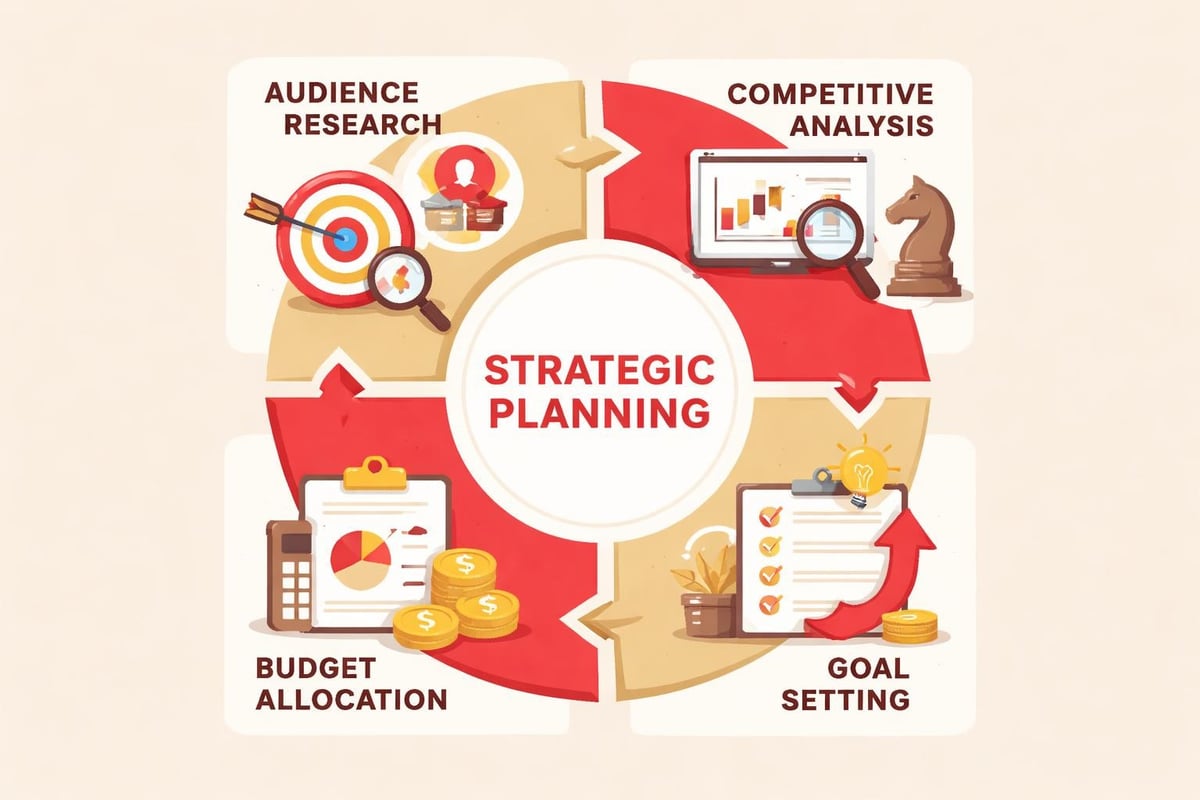
Successful website design and marketing services begin with thorough research and planning:
- Audience analysis to understand demographics, behaviors, and pain points
- Competitor evaluation to identify opportunities and differentiation strategies
- Goal setting with specific, measurable objectives aligned to business growth
- Technology assessment to select platforms and tools that support long-term scalability
- Budget allocation across design, development, content, and promotional channels
This foundation ensures that every design decision and marketing tactic serves a specific purpose. Rather than creating a beautiful website that fails to convert or launching campaigns that direct traffic to poorly designed landing pages, integrated planning creates synergy between all elements.
Design Elements That Amplify Marketing Performance
Website design directly influences the effectiveness of marketing campaigns. When visitors arrive from social media, search engines, or paid advertisements, the site experience determines whether they stay, explore, and convert. Professional website design and marketing services optimize every touchpoint.
| Design Element | Marketing Impact | Best Practice |
|---|---|---|
| Page Load Speed | Reduces bounce rates, improves ad quality scores | Target under 2 seconds on mobile |
| Mobile Responsiveness | Captures 60%+ of search traffic effectively | Design mobile-first, then scale up |
| Clear Call-to-Actions | Increases conversion rates by 25-40% | Use contrasting colors, action verbs |
| Trust Signals | Builds credibility, reduces purchase hesitation | Display certifications, reviews, security badges |
| Visual Consistency | Strengthens brand recognition across channels | Maintain unified color palette, typography |
User Experience as a Marketing Tool
User experience design transforms passive visitors into engaged prospects. Navigation structures that guide visitors logically through information reduce frustration and increase time on site. When someone lands on your homepage from a targeted marketing campaign, they should immediately understand what you offer and how to proceed.
Key UX principles for marketing success:
- Simplified navigation with no more than seven main menu items
- Prominent search functionality for content-rich sites
- Sticky headers that keep conversion opportunities visible
- Breadcrumb trails that orient users and reduce abandonment
- Strategic white space that emphasizes important elements
The psychology of design choices matters significantly. Color selections evoke emotional responses, typography affects readability and brand perception, and imagery either supports or distracts from messaging. Professional website design and marketing services consider these nuances systematically.
Content Strategy Within Website Design and Marketing Services
Content serves as the bridge connecting design and marketing objectives. Well-structured content supports SEO, provides value to visitors, and guides them toward conversion actions. The most effective approach integrates content planning into the initial design phase rather than treating it as an afterthought.
Content Types That Drive Results
Different content formats serve distinct purposes within a comprehensive strategy:
- Educational blog posts that establish authority and attract organic search traffic
- Case studies demonstrating proven results for similar clients
- Video content increasing engagement and time on site
- Interactive tools like calculators or assessments that capture leads
- Downloadable resources that exchange value for contact information
These elements must be designed into the website architecture from the beginning. A blog section requires specific templates, video content needs optimized hosting solutions, and lead magnets demand strategic placement throughout the user journey.
SEO Integration in Modern Website Design and Marketing Services
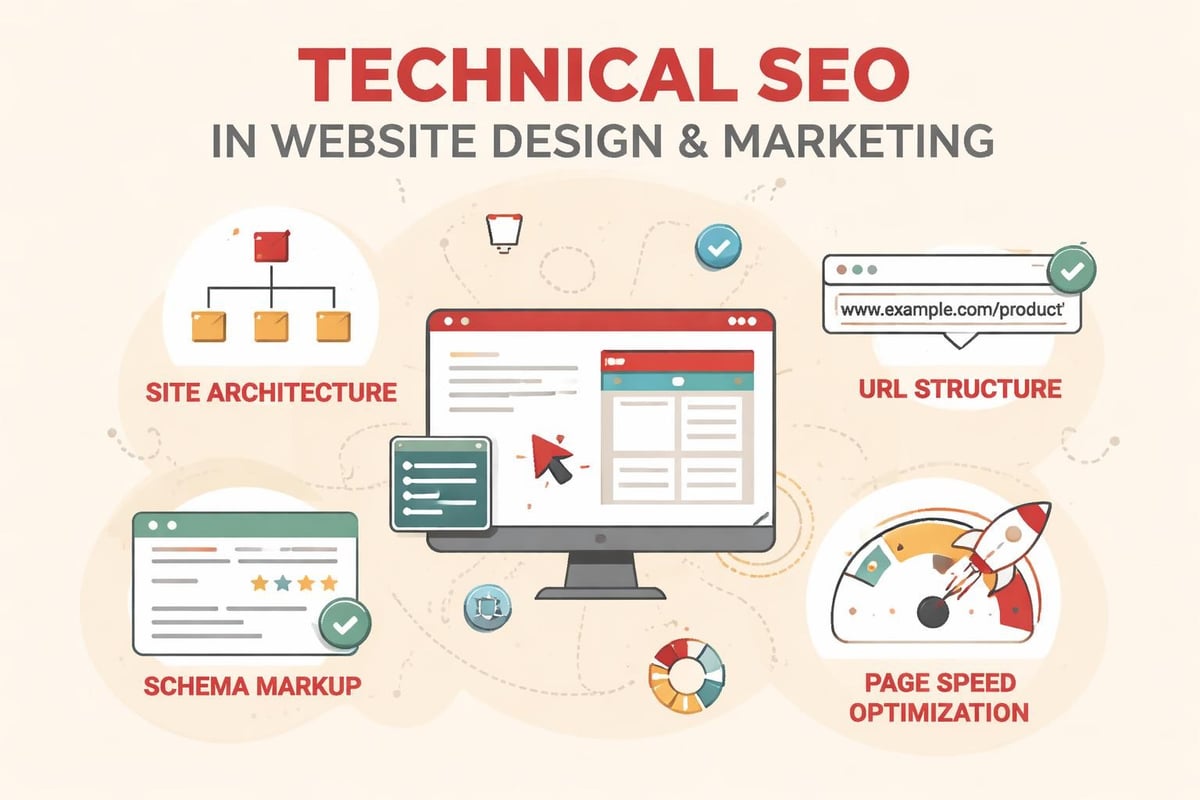
Search engine optimization represents a critical component of effective website design and marketing services. Technical SEO considerations influence site architecture, while on-page optimization requires strategic content placement. Digital marketing strategies consistently emphasize SEO as foundational to long-term growth.
Technical SEO requirements:
- Clean URL structures with descriptive slugs
- Proper heading hierarchy (H1, H2, H3) for content organization
- Optimized image alt tags and compressed file sizes
- Schema markup for enhanced search result displays
- XML sitemaps and robots.txt files properly configured
- SSL certificates for secure connections
The relationship between design and SEO extends to page speed optimization. Heavy animations, uncompressed images, and bloated code slow loading times, which directly impacts search rankings and user satisfaction. Professional agencies balance visual appeal with performance requirements.
Local SEO for Regional Markets
For businesses serving specific geographic areas, local SEO becomes particularly valuable. Design elements that support local web marketing include location-specific landing pages, embedded maps, and clear contact information in headers and footers.
| Local SEO Element | Implementation | Business Impact |
|---|---|---|
| Google Business Profile | Complete profile with photos, hours, services | Appears in map pack results |
| NAP Consistency | Identical name, address, phone across web | Builds trust with search engines |
| Local Keywords | City/region names in titles, content | Targets geographically relevant searches |
| Customer Reviews | Embedded testimonials, review schema | Influences local pack rankings |
Conversion Rate Optimization Through Design
The ultimate goal of website design and marketing services is converting visitors into customers. Conversion rate optimization (CRO) applies data-driven insights to improve the percentage of visitors who complete desired actions. Even small improvements in conversion rates dramatically impact ROI from marketing investments.
Form Design and Lead Capture
Forms represent critical conversion points where design choices significantly affect completion rates:
- Minimize required fields to reduce friction and abandonment
- Use logical field ordering matching natural information flow
- Provide clear error messages that help users correct mistakes
- Include progress indicators for multi-step forms
- Design mobile-friendly inputs with appropriate keyboard types
Testing different form placements, lengths, and designs reveals what resonates with your specific audience. Professional website design and marketing services employ systematic testing to optimize these crucial elements.
Multi-Channel Marketing Integration
Websites function as the hub for multi-channel marketing efforts. Social media campaigns, email marketing, paid advertising, and content marketing all drive traffic back to the site. Design must accommodate these diverse traffic sources while maintaining a cohesive brand experience.
Channel-specific considerations:
- Social media traffic often arrives on mobile devices, requiring responsive design
- Email subscribers expect personalized landing pages matching campaign messaging
- PPC visitors need fast-loading pages with clear conversion paths
- Organic search traffic requires comprehensive information and related content
Social media marketing strategy complements website design by creating touchpoints that introduce audiences to your brand before they visit your site. Consistency between social profiles and website design reinforces brand recognition and trust.
Analytics and Performance Measurement
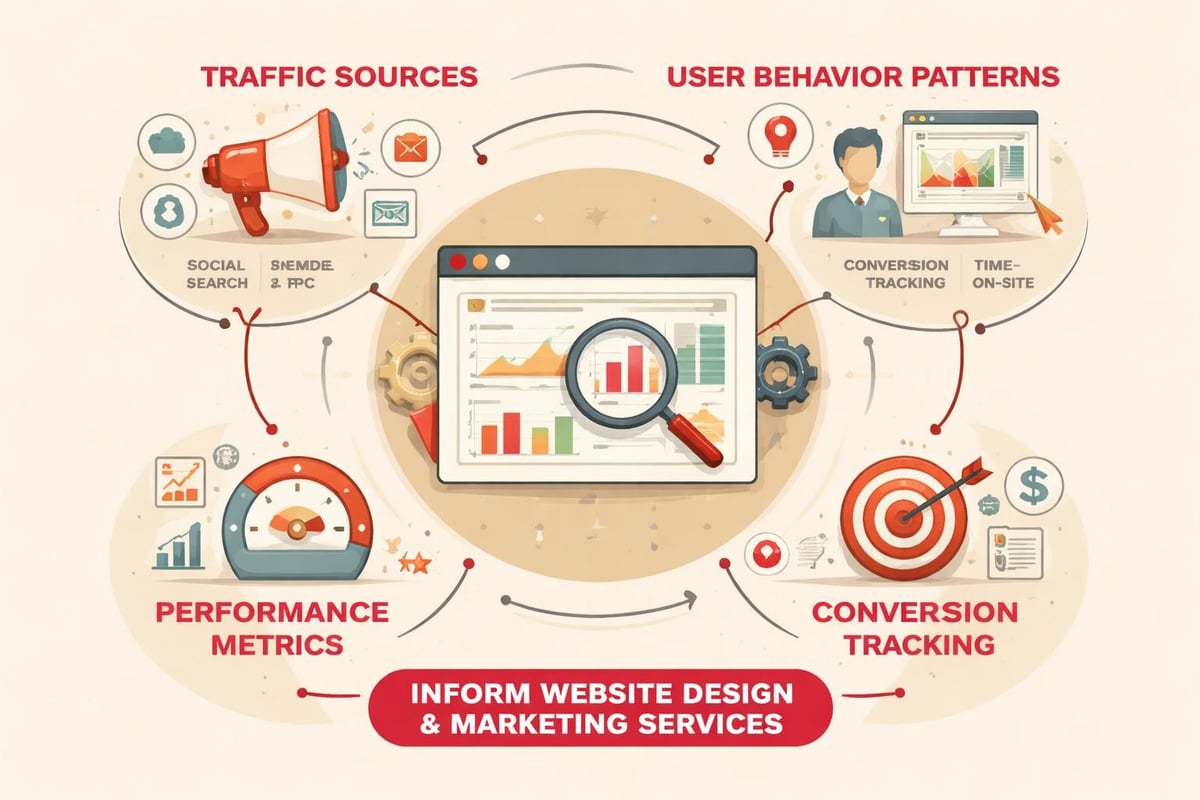
Data-driven decision-making separates effective website design and marketing services from superficial efforts. Comprehensive analytics reveal how visitors interact with your site, which marketing channels deliver quality traffic, and where optimization opportunities exist.
Essential Metrics to Track
| Metric Category | Key Indicators | Strategic Value |
|---|---|---|
| Traffic Sources | Organic, paid, social, direct, referral | Identifies most valuable channels |
| User Behavior | Pages per session, time on site, bounce rate | Reveals content effectiveness |
| Conversion Tracking | Form submissions, purchases, calls | Measures business impact |
| Technical Performance | Page speed, mobile usability, error rates | Affects user experience and SEO |
Setting up proper tracking requires technical implementation during website development. Goal tracking, event monitoring, and e-commerce analytics provide insights that inform both design improvements and marketing strategy adjustments.
Industry-Specific Applications
Different industries require tailored approaches to website design and marketing services. A medical digital marketing company faces unique compliance requirements and patient privacy considerations, while construction firms need project portfolio displays and contractor credentialing information.
Healthcare Industry Considerations
Healthcare websites must balance compliance with user experience:
- HIPAA-compliant forms and data handling for patient information
- Accessible design meeting ADA standards for diverse abilities
- Educational content positioning providers as trusted authorities
- Online appointment scheduling integrated with practice management systems
- Clear insurance and payment information reducing administrative inquiries
Oil and Gas Sector Requirements
Energy sector companies need websites that demonstrate expertise and reliability:
- Technical capability showcases with detailed project specifications
- Safety certifications and industry compliance documentation
- Investor relations sections with financial reporting and shareholder information
- Recruitment portals attracting specialized technical talent
- Environmental responsibility messaging addressing sustainability concerns
Ongoing Optimization and Evolution
Website design and marketing services represent ongoing commitments rather than one-time projects. Digital landscapes shift constantly as search algorithms update, user behaviors change, and competitive pressures increase. Effective digital marketing strategies incorporate regular assessment and refinement.
Quarterly optimization activities:
- Performance audits identifying technical issues and opportunities
- Content updates refreshing outdated information and adding new resources
- Competitive analysis tracking market changes and emerging trends
- User testing gathering feedback on navigation and functionality
- A/B testing comparing design variations and messaging approaches
This iterative approach ensures websites remain effective as business needs evolve and markets change. What worked effectively in early 2026 may require adjustment by year-end as consumer expectations and technological capabilities advance.
Investment Considerations and ROI
Understanding the financial aspects of website design and marketing services helps businesses make informed decisions. While costs vary based on scope and complexity, the return on investment from professional services typically exceeds DIY approaches significantly.
| Investment Level | Typical Scope | Expected ROI Timeline |
|---|---|---|
| Basic Package | Template-based design, essential SEO, basic analytics | 6-12 months |
| Professional Package | Custom design, comprehensive SEO, multi-channel marketing | 4-8 months |
| Enterprise Solution | Fully custom development, advanced integrations, dedicated support | 3-6 months |
The relationship between branding and marketing influences long-term value. Strong brand development commands premium pricing, reduces customer acquisition costs, and increases lifetime customer value. These benefits compound over time as brand recognition strengthens.
Selecting the Right Service Provider
Choosing a partner for website design and marketing services requires careful evaluation. Experience, industry knowledge, and proven results matter more than superficial portfolio presentations. Questions to ask potential providers include:
- What industries have you served with measurable success?
- How do you approach integration between design and marketing?
- What analytics and reporting do you provide clients?
- How do you handle ongoing optimization and updates?
- What is your process for understanding business objectives?
Digital agency services for small businesses differ from enterprise solutions in scale but should maintain the same strategic rigor. Smaller companies benefit from agencies that understand resource constraints while delivering professional results.
Red Flags to Avoid
Certain warning signs indicate providers who may not deliver quality website design and marketing services:
- Guarantees of specific rankings or overnight results
- Lack of transparent pricing or contract terms
- No emphasis on strategy or business objectives
- Poor communication or unresponsive customer service
- Outsourcing critical work without disclosure
Professional agencies focus on sustainable growth through ethical practices aligned with website design best practices rather than shortcuts that risk penalties or wasted investment.
Future Trends Shaping Website Design and Marketing Services
The digital marketing landscape continues evolving rapidly. Artificial intelligence, voice search optimization, and enhanced personalization represent emerging trends that forward-thinking website design and marketing services must address.
2026 trends gaining momentum:
- AI-powered personalization delivering unique experiences based on visitor behavior
- Voice search optimization adapting content for conversational queries
- Interactive experiences using AR/VR for product visualization
- Privacy-first marketing adapting to cookie restrictions and data regulations
- Sustainability messaging addressing environmental concerns in brand positioning
Agencies that stay ahead of these trends position clients for continued success as technology and consumer expectations evolve. The integration of online branding with emerging technologies creates competitive advantages that differentiate market leaders from followers.
Successful website design and marketing services require strategic integration, continuous optimization, and industry-specific expertise that delivers measurable business growth. Whether you're launching a new venture or revitalizing an established brand, the right partner transforms your digital presence into a revenue-generating asset. Red Van Creative has been helping Houston businesses and beyond achieve authentic results through holistic marketing approaches since 1999, combining award-winning design with data-driven strategies that build lasting customer relationships.