
The digital landscape is shifting rapidly, and in 2026, social media marketing and branding are the backbone of business growth and loyal customer relationships. As competition intensifies, simply having a presence is no longer enough.
This comprehensive guide will equip you with the latest strategies, tools, and trends to help your brand thrive. Explore emerging platforms, advanced content tactics, AI-powered personalization, community engagement, analytics, and future-proof branding principles.
Are you ready to stand out and drive real results? Dive in and discover your blueprint for social media marketing and branding success in 2026.
The 2026 Social Media Landscape: Platforms, Audiences & Key Trends
The world of social media marketing and branding is rapidly evolving as we approach 2026. Businesses must adapt to new platforms, shifting audience behaviors, and emerging trends to stay ahead. Understanding the landscape is the first step toward a successful strategy.
Evolving Platforms and New Entrants
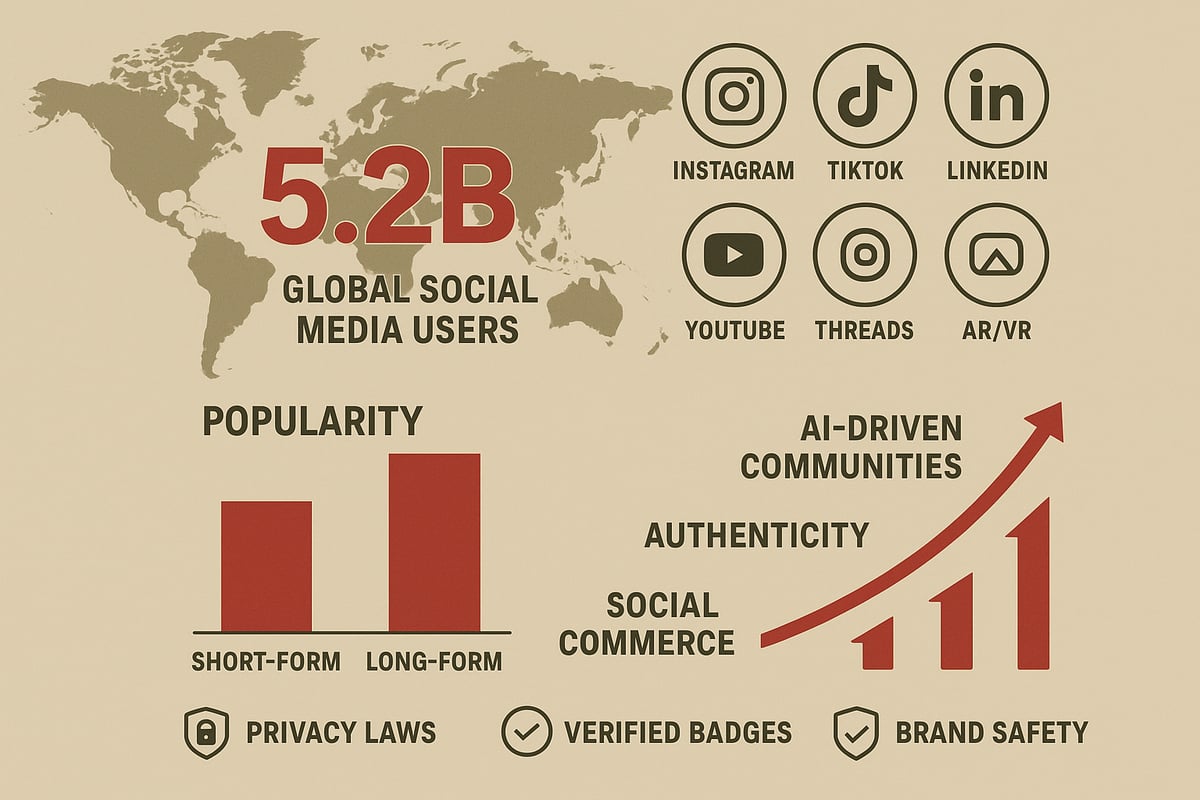
In 2026, the social media marketing and branding landscape is dominated by familiar giants like Instagram, TikTok, LinkedIn, YouTube, and Threads. However, rapid innovation has also led to the rise of new AR and VR platforms, offering immersive experiences for both brands and consumers.
Niche and decentralized networks are gaining ground. Communities like BeReal and AI-driven platforms are redefining how users connect. With over 5.2 billion global users engaging online, brands must evaluate where their audiences are most active.
A multi-platform approach is now essential. Brands should monitor both mainstream and emerging channels to maximize reach and engagement across the social media marketing and branding ecosystem.
Changing Audience Behaviors
Audience preferences are shifting in 2026. While short-form content remains popular on platforms like TikTok, long-form videos and deep-dive posts are making a comeback on YouTube and LinkedIn.
There is growing demand for authenticity and transparency. Gen Z and Gen Alpha, in particular, seek value-driven brands that align with their beliefs. According to Sprout Social, 62 percent of users prefer brands with an authentic social voice, making genuine storytelling crucial for social media marketing and branding success.
Brands must adapt their messaging and content styles to meet these evolving expectations. A focus on community values and open communication is now a key differentiator.
Key Content & Engagement Trends
Interactive content is driving engagement in 2026. Polls, quizzes, live streams, and shoppable posts keep audiences active and invested. AI-generated content and advanced personalization tools allow brands to tailor experiences to individual users.
Social commerce is transforming the landscape, making in-app shopping seamless and intuitive. In fact, social commerce is projected to surpass $100 billion in 2026, highlighting its critical role in social media marketing and branding strategies.
To succeed, brands must embrace new technologies, experiment with creative formats, and prioritize customer-centric experiences.
Regulatory & Privacy Shifts
The regulatory environment around social media marketing and branding is becoming more complex. Updates to GDPR and new U.S. state privacy laws are impacting how brands collect and use data.
Platforms are also updating their ad policies, focusing on transparency and user protection. Marketers need to stay informed and compliant, adjusting targeting strategies and consent practices as regulations evolve.
Being proactive about privacy is no longer optional. Trust is built through clear communication and ethical handling of user data.
Brand Safety & Trust
Brand safety is a top priority in 2026. Combating misinformation, deepfakes, and fake accounts is essential to maintain credibility in social media marketing and branding.
Verified content and trusted creator partnerships help brands establish authority. Collaborating with reputable influencers and using verification tools can minimize risks and foster trust with audiences.
Examples of Brands Adapting
Top brands are demonstrating agility in this dynamic environment. Nike’s AR campaigns on TikTok engage users through interactive experiences. Duolingo’s viral, personality-driven content leverages humor and authenticity to build strong connections.
These examples show that successful social media marketing and branding comes from embracing innovation and staying true to brand values.
Building a Future-Proof Social Media Brand Strategy
Building a future-proof approach to social media marketing and branding is essential for sustained success in 2026. Brands must move beyond trends and create adaptable, resilient strategies that can weather rapid changes in technology and audience preferences. The following framework will help you craft a strategy that stands out and evolves with the digital landscape.
Defining Your Brand Voice & Identity
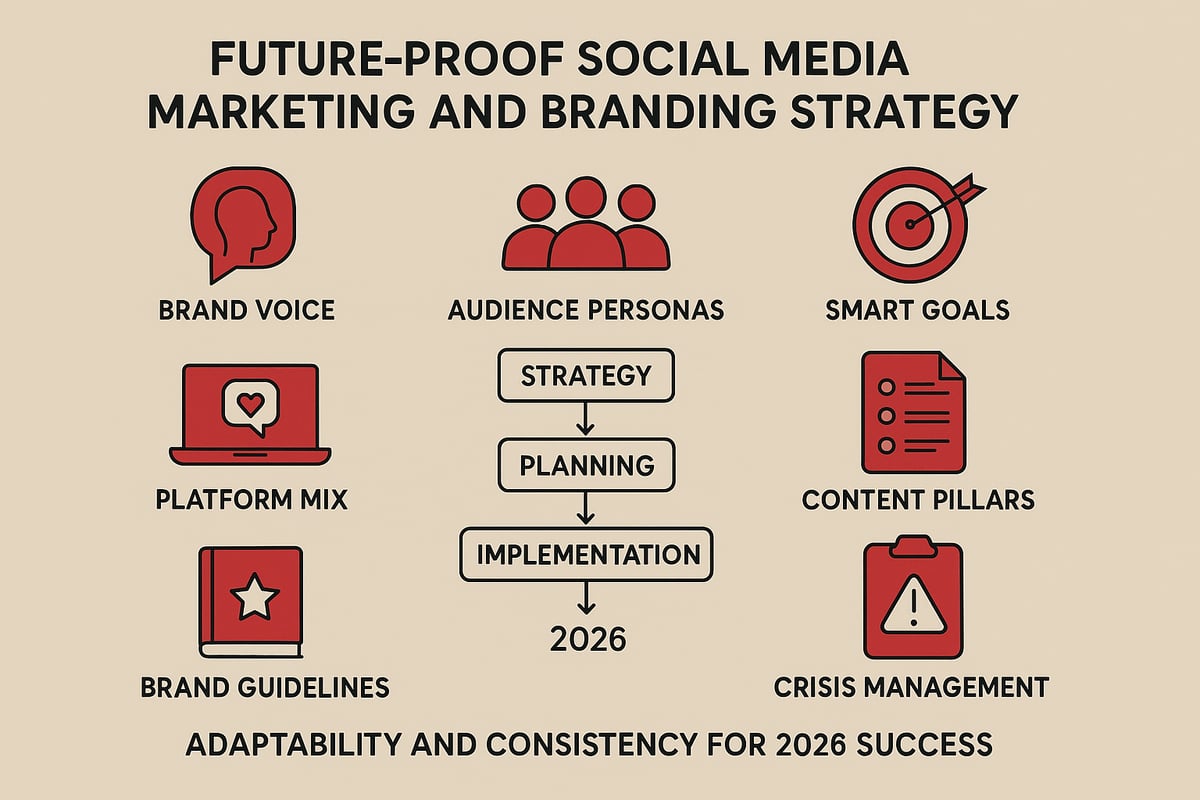
A strong and consistent brand voice is the cornerstone of effective social media marketing and branding. Start by articulating your core values, mission, and personality traits. Ensure your brand persona is memorable and aligns with your target audience’s expectations. Consistency across all platforms is key, so develop clear tone and style guidelines.
Take inspiration from brands like Wendy’s, whose witty and bold Twitter voice has become iconic. To deepen your understanding, explore how branding in digital marketing can strengthen your identity across channels.
Review your visual assets, such as logos, color schemes, and templates, to ensure they reflect your personality and support your social media marketing and branding goals.
Audience Research & Persona Development
Understanding your audience is crucial for effective social media marketing and branding. Use advanced social listening tools and analytics to map out audience segments and behaviors. Identify micro-communities and influential voices who shape opinions within your niche.
Build detailed personas that include demographic data, interests, pain points, and preferred content types. This foundation allows you to create messaging that feels personal and relevant. Remember, 80% of marketers rely on social listening for brand strategy, making it a non-negotiable step in your planning process.
Setting SMART Goals for 2026
Clear objectives are vital for future-proofing social media marketing and branding. Set SMART goals: Specific, Measurable, Achievable, Relevant, and Time-bound. Align each goal with broader business objectives, such as increasing brand awareness, driving engagement, generating leads, or boosting conversions.
Define relevant social media KPIs for each goal. For instance, track engagement rates, click-throughs, or conversion metrics to measure progress. Regularly review and adjust your goals to remain aligned with evolving business needs and digital trends.
Platform Selection & Channel Mix
Selecting the right platforms is fundamental to successful social media marketing and branding. Assess where your audience spends time and which channels best suit your content and industry. Balance established networks like LinkedIn or Instagram with emerging platforms, such as AR/VR spaces or niche forums.
Experiment with a mix of evergreen and innovative channels to maximize reach while staying adaptable. For B2B brands, LinkedIn and specialized forums can deliver targeted results, while consumer brands may thrive on visually rich or interactive platforms.
Content Pillars & Storytelling Frameworks
Organizing your content around pillars ensures your social media marketing and branding efforts are both strategic and flexible. Identify core themes that resonate with your audience, such as education, entertainment, or inspiration. Integrate user-generated content and brand storytelling to foster authenticity.
Brands like GoPro excel by showcasing customer adventures, turning users into brand advocates. Develop a storytelling framework that highlights your mission and values, weaving them into every post and campaign.
Brand Guidelines for Social Media
Documented brand guidelines are essential for maintaining visual and messaging consistency in social media marketing and branding. Define parameters for logos, color palettes, typography, and imagery. Set clear rules for tone, language, and content dos and don’ts.
Provide examples and templates for your team to follow. Consistent application of these guidelines ensures your brand remains recognizable and trustworthy, regardless of platform or content type.
Crisis Management & Brand Reputation
Preparing for reputational challenges is a key part of future-proofing social media marketing and branding. Develop a crisis management plan that includes real-time monitoring, escalation protocols, and pre-approved messaging templates.
Train your team to respond quickly, empathetically, and transparently. By addressing issues head-on, you can protect your brand’s reputation and even turn negative situations into opportunities for building trust.
Content Creation, AI Tools & Automation for 2026
The landscape of social media marketing and branding is evolving at lightning speed, making innovative content creation and automation essential for future-ready brands. In 2026, combining advanced technology, AI-driven personalization, and streamlined workflows will separate leading brands from the pack.
Advanced Content Formats & Technologies
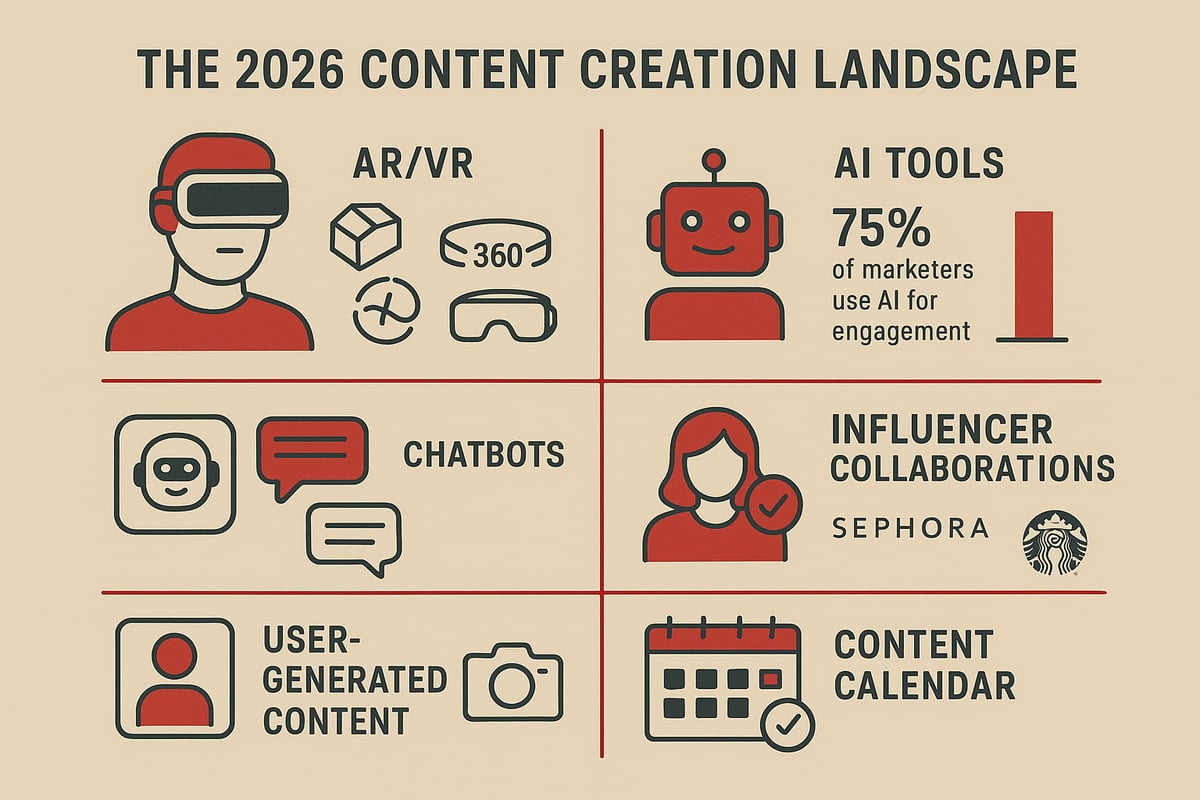
In 2026, brands are elevating social media marketing and branding with immersive content. Augmented reality and virtual reality experiences are now accessible, inviting audiences to interact with products in 3D or virtually try them on. Interactive videos, shoppable posts, and live product demos are becoming standard, creating seamless pathways from inspiration to purchase.
For example, Sephora’s virtual try-on filters on Instagram let users experiment with makeup in real time. These innovations foster deeper engagement and set new creative benchmarks. As platforms expand their toolkits, brands should prioritize experimenting with these formats to stand out in saturated feeds.
Leveraging AI for Content Ideation & Personalization
Artificial intelligence has become a cornerstone of social media marketing and branding. AI-powered copywriting, image generation, and predictive analytics are transforming ideation and execution. Marketers now use AI to analyze trends, optimize content timing, and deliver hyper-personalized experiences for every user segment.
According to HubSpot, 75% of marketers see higher engagement with AI-driven content. Modern tools act as creative co-pilots, enabling brands to scale personalization and efficiency. For a deeper dive into how AI is reshaping content creation and personalization, explore AI as a creative co-pilot in content creation and personalization.
Automation for Consistency and Scale
Maintaining a consistent presence is vital for effective social media marketing and branding. Automation tools now handle everything from scheduling posts to publishing across platforms. This ensures brands stay top-of-mind, even during off-peak hours or global campaigns.
Chatbots have also matured, offering immediate customer engagement and support. Automated responses, FAQs, and guided shopping experiences not only save time but also boost satisfaction. With these systems, brands can focus on strategy and creativity, trusting automation to handle routine tasks.
Influencer & Creator Collaborations
Influencer partnerships remain at the heart of social media marketing and branding, but the process has become more sophisticated. AI-powered analytics help brands identify the best creators for their audience, assess engagement quality, and track ROI in real time.
Brands like Gymshark have thrived by nurturing long-term relationships with micro-influencers, resulting in authentic, ongoing advocacy. As AI-generated influencers gain traction, partnerships are expected to become even more dynamic and data-driven, blending human creativity with machine precision.
User-Generated Content & Community Amplification
User-generated content (UGC) is a trusted pillar of social media marketing and branding. Brands are encouraging customers to share stories, reviews, and creative content, then curating the best submissions for campaigns. This not only builds authenticity but also strengthens community bonds.
Starbucks’ #RedCupContest campaign is a prime example, inviting users to post their unique cup designs and rewarding creativity. UGC strategies drive engagement, provide social proof, and turn customers into passionate advocates, amplifying brand reach organically.
Content Calendar & Workflow Optimization
Efficient planning is crucial for high-impact social media marketing and branding. Content calendars streamline scheduling, approvals, and collaboration, ensuring timely responses to trends and events. Agile workflow tools empower teams to pivot quickly, capitalize on viral moments, and maintain quality control.
Using dedicated platforms, brands can assign tasks, track progress, and analyze results in real time. This level of organization supports rapid content production, helping teams deliver consistently engaging and relevant material across every channel.
Data-Driven Social Media: Analytics, Measurement & ROI
In 2026, data-driven approaches are at the heart of social media marketing and branding. Businesses that leverage analytics not only track their performance but also unlock deeper insights into audience behavior and content effectiveness. With sophisticated tools and evolving metrics, brands can make smarter decisions to drive measurable results.
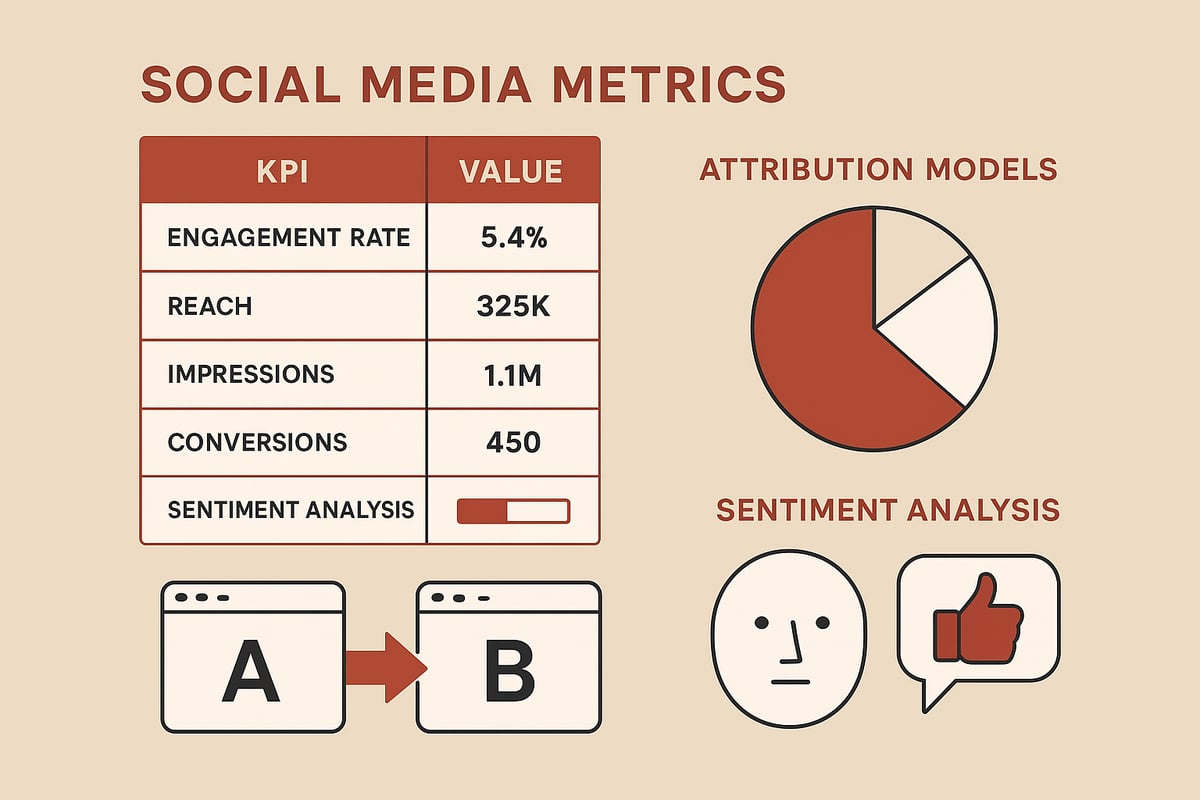
Essential Metrics for 2026
Measuring the right metrics is crucial for successful social media marketing and branding. In 2026, brands focus on engagement rate, reach, impressions, conversions, and social share of voice. Each platform offers unique analytics dashboards, such as TikTok Insights and LinkedIn Analytics, to help marketers track performance.
Key metrics to monitor:
| Metric | What It Measures | Why It Matters |
|---|---|---|
| Engagement Rate | Interactions per post | Gauges audience connection |
| Reach & Impressions | Audience size & exposure | Tracks brand visibility |
| Conversions | Actions taken | Measures ROI and effectiveness |
| Share of Voice | Brand presence vs. peers | Assesses competitive position |
Consistent tracking ensures your social media marketing and branding efforts remain aligned with business goals.
Attribution Models & ROI Calculation
Attribution models help you understand which touchpoints drive conversions in your social media marketing and branding campaigns. Multi-touch attribution considers every interaction along the customer journey, allowing for more accurate ROI calculation. Connecting social activity to tangible business outcomes is essential for justifying investments.
According to a Gartner 2025 report, 68 percent of CMOs increased social media budgets due to measurable ROI. For more details on how businesses thrive by linking analytics to growth, see business success on social media.
Brands that leverage advanced attribution models can optimize spend and prioritize high-performing channels.
Social Listening & Sentiment Analysis
Social listening tools are indispensable for social media marketing and branding in 2026. They track brand mentions, monitor trends, and analyze audience sentiment in real time. Platforms like Brandwatch and Sprout Social offer dashboards that visualize positive, neutral, and negative conversations.
With sentiment analysis, brands quickly identify PR risks or opportunities. For example, Coca-Cola uses real-time listening to adjust campaign messaging and respond to audience feedback. By integrating these insights, companies can refine their approach, ensuring their social media marketing and branding efforts resonate with their target communities.
A/B Testing & Experimentation
Continuous experimentation is a hallmark of effective social media marketing and branding. Brands run A/B tests to compare content formats, posting times, and ad creatives. This data-driven approach reveals what truly engages your audience.
Common A/B testing elements:
- Headlines and captions
- Image or video types
- Call-to-action buttons
- Posting schedules
Using these insights, teams can refine strategies, increase engagement, and boost ROI for their social media marketing and branding initiatives.
Benchmarking & Competitive Analysis
Benchmarking sets performance baselines for social media marketing and branding. Comparing your metrics against industry standards or direct competitors helps identify strengths and opportunities for growth. Tools like Rival IQ and Sprinklr provide comprehensive reports on share of voice, engagement rates, and content trends.
Monitoring competitors reveals what works in your niche and highlights areas where your brand can differentiate. Regular analysis ensures your social media marketing and branding strategy stays agile and competitive.
Reporting for Stakeholders
Clear, actionable reporting is vital for communicating the impact of social media marketing and branding to stakeholders. Build dashboards that visualize KPIs, trends, and ROI in easily digestible formats. Visual reports help executive teams and cross-departmental partners make informed decisions.
By presenting data transparently, brands foster trust and alignment across business functions. Effective reporting ensures that social media marketing and branding efforts are recognized as strategic drivers of business success.
Community Building, Engagement & Social Customer Care
Building a thriving online community is now a cornerstone of social media marketing and branding. As digital spaces become more crowded, brands that foster genuine connections stand out, drive loyalty, and encourage advocacy. The following strategies will help you create meaningful engagement and deliver exceptional customer care.
The Power of Online Communities in 2026
In 2026, online communities are at the heart of social media marketing and branding. Brands that nurture communities enjoy higher loyalty, advocacy, and sales. According to CMX, 78% of consumers are more likely to buy from brands with active communities. These spaces offer customers a sense of belonging and direct lines to the brand.
Community-driven brands build trust and spark organic conversations. When people feel heard, they champion the brand to others. For social media marketing and branding, prioritizing community means long-term growth and resilience.
Engagement Tactics for Deeper Relationships
Deep engagement is vital for social media marketing and branding success. Brands use interactive tactics to connect on a personal level:
- Hosting live events, AMAs, and Q&A sessions.
- Sending personalized DMs and timely comment responses.
- Encouraging user participation through challenges and polls.
LEGO’s fan communities are a prime example, where fans co-create and share ideas. For more actionable guidance, check out these effective social media marketing tips. Consistent engagement builds emotional bonds and turns followers into loyal advocates.
Social Customer Support Best Practices
Outstanding customer care is a pillar of social media marketing and branding. Fast response times, omnichannel support, and seamless integration of chatbots with human agents are now standard. Delta’s rapid Twitter support demonstrates how real-time help can enhance customer satisfaction.
To excel, brands must:
- Respond quickly to inquiries and complaints.
- Use automation for simple issues, while escalating complex ones to human agents.
- Monitor all channels for brand mentions and feedback.
Integrating these best practices ensures customers feel valued and supported.
Advocacy & Loyalty Programs
Advocacy and loyalty programs fuel the next level of social media marketing and branding. Rewarding top fans, gamifying engagement, and offering exclusive content drive both retention and word-of-mouth referrals.
Brands encourage advocacy by:
- Launching ambassador programs.
- Recognizing and showcasing user-generated content.
- Offering early access or special perks to loyal members.
Short-form video and user-generated content now dominate creative priorities, amplifying brand stories and trust. Explore more on how short-form video and user-generated content dominate creative priorities.
Managing Negative Feedback & Crisis Moments
Negative feedback is inevitable in social media marketing and branding, but it can be an opportunity. Brands that respond with transparency and empathy often win respect and transform critics into advocates.
Best practices include:
- Acknowledging issues promptly and publicly.
- Offering solutions or compensation when appropriate.
- Maintaining consistent, positive communication in all responses.
Proactive management protects reputation and strengthens community trust.
Measuring Community Health
Tracking community health is essential for social media marketing and branding. Key metrics include engagement rates, retention, and advocacy. Use the table below to summarize vital metrics:
| Metric | What It Measures | Why It Matters |
|---|---|---|
| Engagement Rate | Likes, comments, shares | Indicates active participation |
| Retention | Returning members | Shows long-term loyalty |
| Advocacy | Referrals, UGC, mentions | Reflects brand evangelism |
Regular analysis ensures your community strategy delivers ongoing value.
Future-Proofing Your Social Media Marketing & Branding
Staying ahead in social media marketing and branding means anticipating change, not just reacting to it. The 2026 landscape will reward brands that embrace innovation, build trust, and prepare for the unexpected.
Adapting to Emerging Technologies
Emerging technology will reshape how brands engage audiences. The rise of Web3, metaverse experiences, and blockchain-based social platforms demands a proactive approach. Early brand adopters are experimenting with metaverse storefronts and NFT campaigns to create immersive interactions.
AI-driven innovations are also transforming influencer marketing. According to recent predictions, AI-generated influencers to handle 30% of brand partnerships by 2026, offering scalable, hyper-personalized content. Brands that integrate these tools into their social media marketing and branding can unlock new engagement channels.
Staying Ahead of Algorithm Changes
Social media algorithms evolve quickly, impacting organic reach and visibility. To future-proof your social media marketing and branding, focus on building owned audiences through email or SMS in addition to social channels.
Diversifying content formats and platforms will mitigate risks from sudden algorithm shifts. Implementing social media optimization strategies ensures your brand maximizes every channel’s potential, keeping you visible even as algorithms change.
Building a Resilient Brand Identity
A strong brand identity is your anchor in a shifting landscape. Social media marketing and branding must reflect evolving values and societal trends. Authenticity and transparency are now core differentiators, with 70% of consumers expecting brands to take a clear stand on social issues.
To build resilience, regularly assess your brand messaging, voice, and visual identity. Stay consistent across channels, but be ready to adapt your narrative as audience expectations evolve.
Upskilling Teams & Embracing Lifelong Learning
Continuous learning is critical for social media marketing and branding success in 2026. Teams must stay current with AI, data analytics, and new content formats to maintain a competitive edge.
Encourage team members to experiment, attend industry events, and pursue certifications in emerging technologies. This culture of innovation ensures your brand remains agile and prepared for future challenges.
Sustainability & Ethical Considerations
Sustainability is no longer optional for social media marketing and branding. Eco-friendly campaigns and responsible messaging build trust and set brands apart. Highlight your brand’s efforts with transparent reporting and purpose-driven storytelling.
Look to leaders like Patagonia, whose social media presence consistently aligns with environmental values. Ethical practices attract conscious consumers and foster long-term loyalty.
Collaborating Across Departments
Unified messaging across marketing, sales, and customer support is essential. Social media marketing and branding thrive when departments collaborate on campaigns, share insights, and align goals.
Set up regular cross-functional meetings and shared dashboards. This approach eliminates silos, ensuring that every touchpoint reinforces your brand’s core values and messaging.
Scenario Planning for Uncertainty
The only constant in social media marketing and branding is change. Prepare for platform disruptions, regulatory changes, or reputational crises with robust scenario planning.
Map out potential risks, develop adaptable workflows, and create contingency plans. This proactive mindset ensures your brand can pivot quickly, protecting both reputation and business outcomes.
| Strategy | Action Step | Benefit |
|---|---|---|
| Tech Adoption | Experiment with metaverse and AI influencers | New engagement channels |
| Algorithm Readiness | Diversify content, build owned audiences | Consistent visibility |
| Brand Resilience | Evolve messaging, stay authentic | Increased trust |
| Team Upskilling | Ongoing learning, certifications | Enhanced agility |
| Sustainability | Prioritize ethical campaigns | Loyalty from conscious buyers |
| Department Alignment | Cross-team collaboration | Unified brand experience |
| Scenario Planning | Prepare for change, create contingency plans | Risk mitigation |