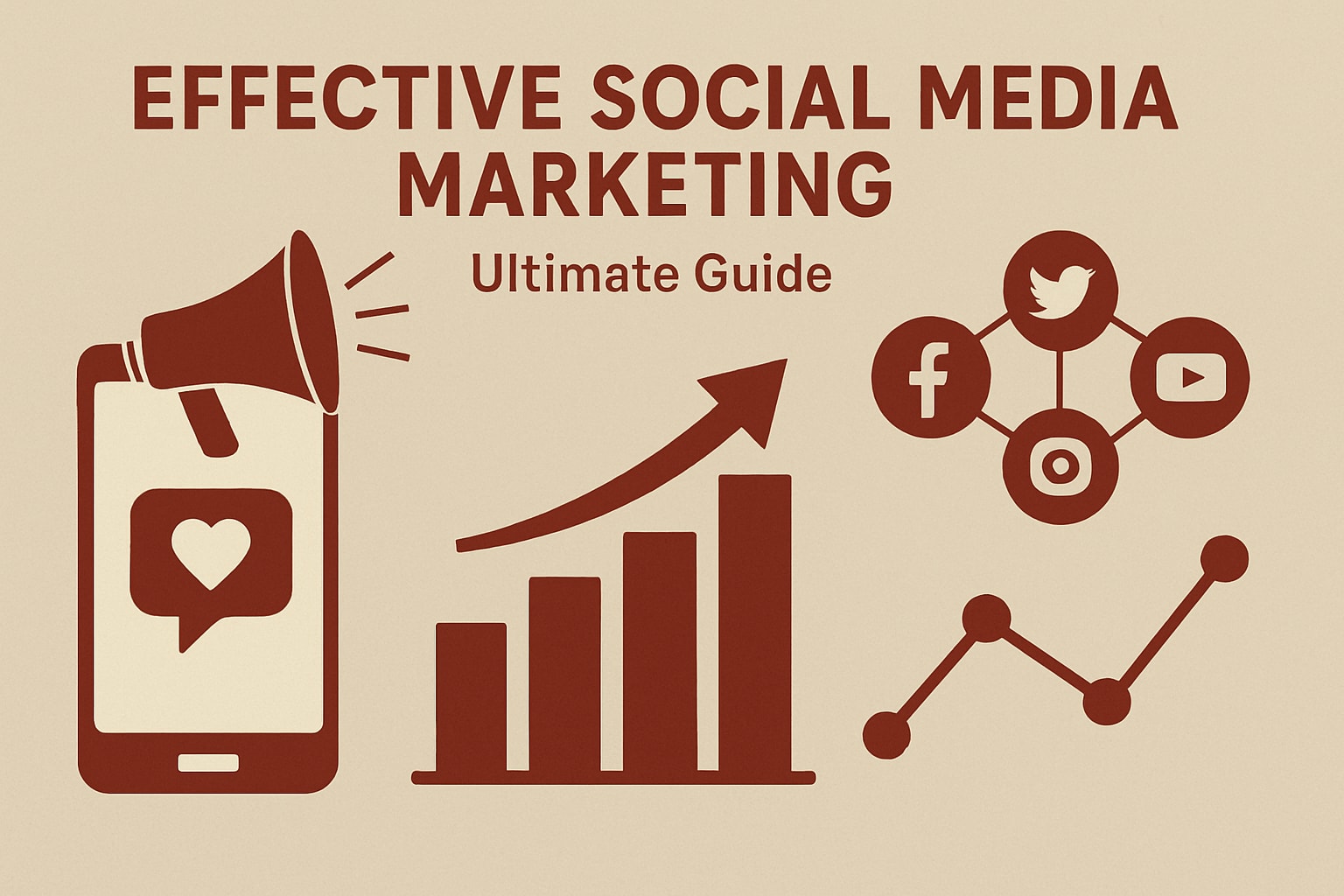
Imagine your brand reaching millions of people, sparking authentic conversations, and fueling real business growth—all by mastering the art of effective social media marketing. Social platforms are projected to drive a staggering $385 billion in advertising spending by 2027, making them essential for brands aiming to thrive.
But simply posting content is not enough. This guide will equip you with the latest, actionable strategies for effective social media marketing in 2026. You will discover how to harness strategy, creativity, and analytics to build brand awareness, foster engagement, and drive measurable ROI.
Ready to gain a competitive edge? Explore proven steps for audience research, platform selection, content strategy, community building, analytics, influencer partnerships, crisis management, and real-world case studies. Let’s unlock your brand’s potential in the digital landscape ahead.
Step 1: Understand and Define Your Target Audience
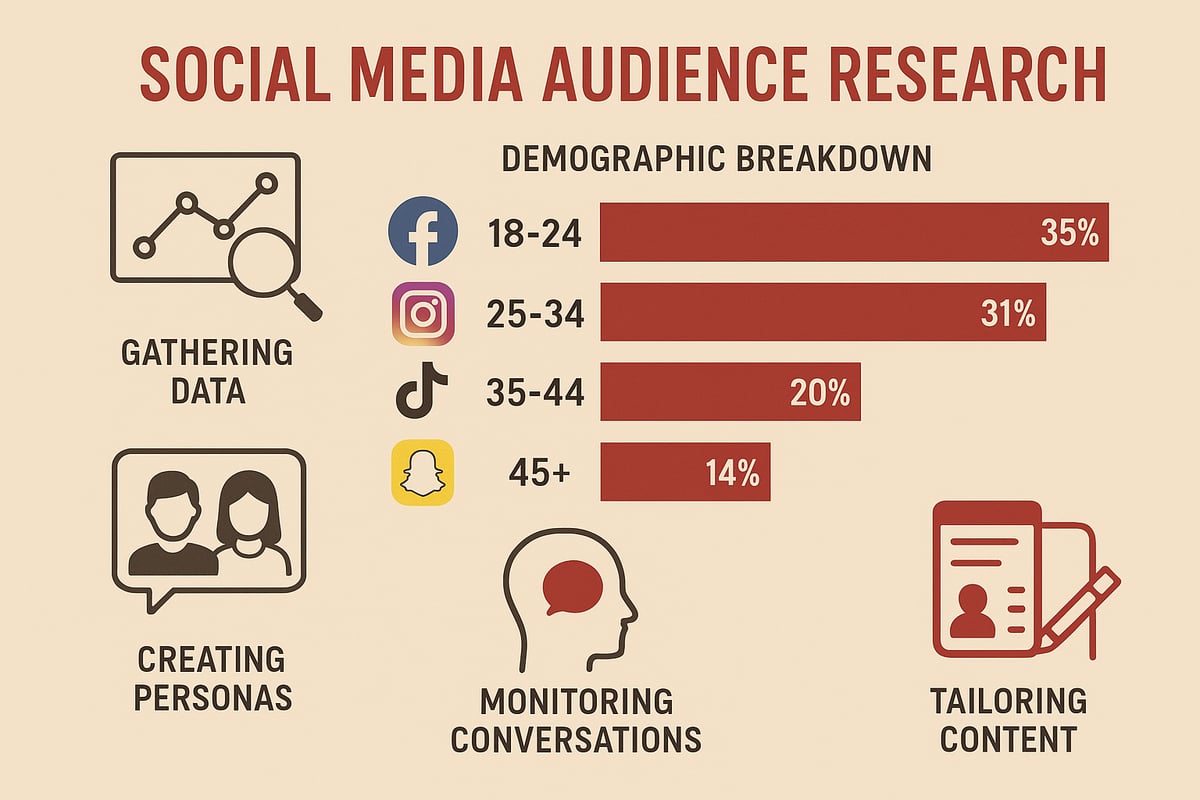
Unlocking the full potential of effective social media marketing begins with a deep understanding of who your audience truly is. Without this foundation, even the most creative campaigns may fall flat. Businesses that invest in audience research consistently outperform those that rely on guesswork.
Why Audience Research Matters
Effective social media marketing is not just about broadcasting messages, it is about making genuine connections. The first step is to clearly define your ideal customer persona. This means understanding your audience’s age, location, interests, values, and online behaviors.
When your messaging aligns with what matters to your audience, engagement rates soar. For example, Statista reports that 73 percent of adults aged 50 to 64 actively use Facebook, while only 2 percent use Snapchat. Such insights enable brands to prioritize platforms and content formats that resonate most.
Failing to identify and understand your audience can lead to wasted resources and missed opportunities. The right research ensures your efforts are focused on building real relationships, which is at the heart of effective social media marketing.
Tools and Methods for Defining Your Audience
To get started, leverage analytics tools like Google Analytics and built-in social platform insights. These resources reveal valuable demographic and psychographic data about your current followers and website visitors.
- Age, gender, and location breakdowns
- Interests and online behaviors
- Engagement patterns and device usage
Customer feedback and sales data are also goldmines for audience discovery. By analyzing purchase histories and customer service interactions, you can uncover pain points and motivations. Market research, including competitor analysis, helps identify audience gaps that your brand can fill.
Integrating these tools and methods ensures your effective social media marketing strategy is grounded in facts, not assumptions.
Data-Driven Persona Development
Building robust personas is a blend of quantitative data and qualitative insights. Start by segmenting your audience into primary and secondary groups. Assign each persona a name, photo, and backstory to humanize your targeting efforts.
A typical persona profile might include:
| Persona Name | Age Range | Main Platform | Key Interests | Content Preferences |
|---|---|---|---|---|
| “Savvy Sarah” | 25-34 | Fitness, Travel | Short videos, Stories | |
| “Professional Paul” | 35-49 | Career Growth | Articles, Webinars | |
| “Active Amy” | 18-24 | TikTok | Trends, Memes | Challenges, Reels |
Feedback from current customers helps refine these personas. Surveys and interviews offer qualitative context, revealing what drives loyalty and engagement. This data-driven approach ensures every piece of content supports your effective social media marketing goals.
Social Listening and Competitor Insights
Social listening is essential for refining your strategy in real time. By monitoring brand mentions and industry conversations, you can spot emerging trends, identify pain points, and adjust messaging accordingly.
Use social listening tools to:
- Track sentiment around your brand
- Identify frequently asked questions
- Discover topics your audience cares about
Competitor analysis reveals gaps in your market and helps you differentiate. For example, if your competitors are not addressing a trending topic, you have an opportunity to lead the conversation.
For additional guidance on platform usage and audience trends, explore the latest Social Media Marketing Statistics 2025 to inform your approach.
Ultimately, understanding your audience is what transforms data into action. It is the driving force behind effective social media marketing, helping you tailor tone, visuals, and messaging for each segment. The brands that invest in this step set themselves up for measurable success.
Step 2: Set Clear, Measurable Social Media Marketing Goals
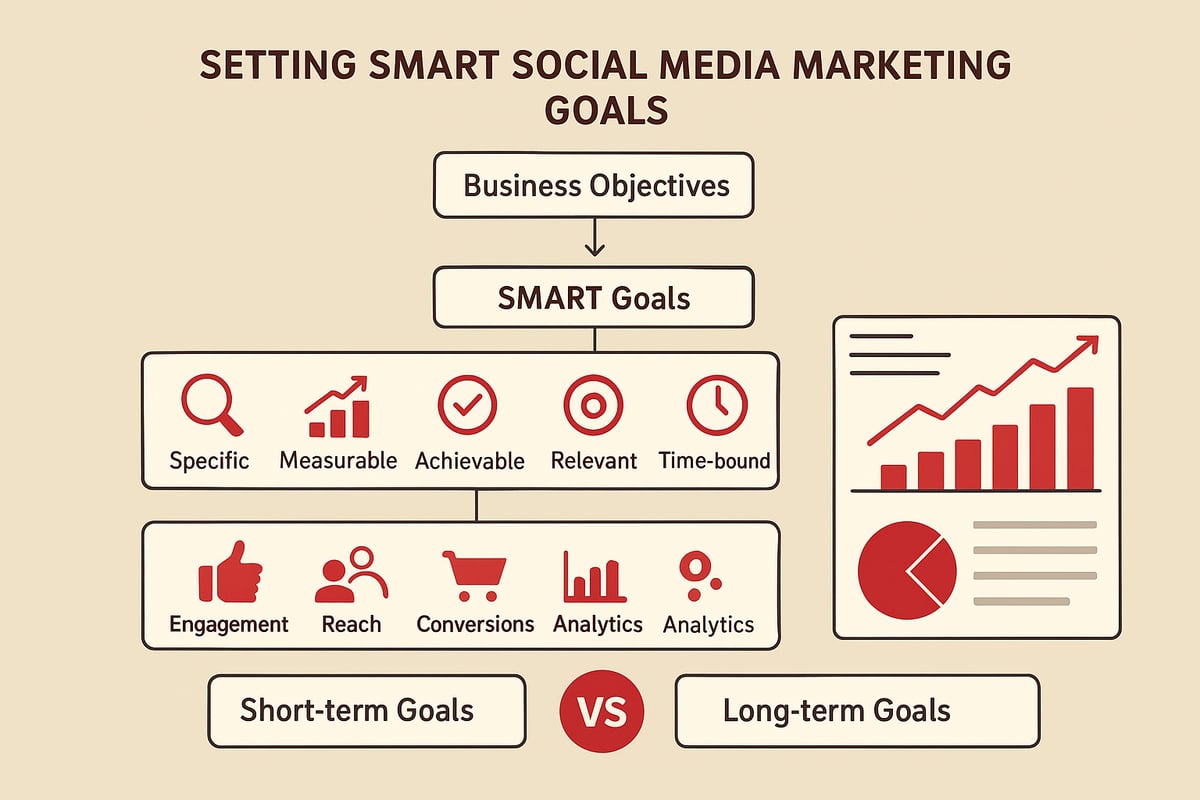
Setting clear, measurable goals is the backbone of effective social media marketing. Without defined targets, even the most creative campaigns can stray from your business objectives. Think of goal-setting as your roadmap, guiding every post, campaign, and interaction toward tangible results.
Building a Results-Driven Strategy
To excel in effective social media marketing, align your goals with your company’s broader vision. Start by asking: What do you want to achieve with your social platforms—brand awareness, lead generation, or customer loyalty?
A proven approach is the SMART framework:
- Specific: Define exactly what you want to accomplish, such as “increase Instagram followers.”
- Measurable: Attach numbers, like “grow followers by 25%.”
- Achievable: Ensure the goal is realistic given your resources.
- Relevant: Goals should support your overall business objectives.
- Time-bound: Set a deadline, for example, “within six months.”
Here’s how this looks in practice:
| Goal Type | Example | Metric(s) Used |
|---|---|---|
| Short-term | Run a two-week campaign for a new product | Clicks, shares |
| Long-term | Boost brand awareness by 25% in one year | Followers, mentions |
Effective social media marketing relies on tracking the right KPIs. Focus on metrics such as:
- Engagement rate (likes, comments, shares)
- Reach and impressions
- Conversion rate
- Brand mentions
- Follower growth
For instance, if your aim is to increase brand awareness by 25%, monitor metrics like total followers and active users. Use analytics tools to review progress and adjust your strategy if you’re not on track. This is where tools like Google Analytics and platform insights shine, revealing which posts perform best and where to recalibrate.
It’s also critical to differentiate between short-term campaign goals and long-term brand objectives. Short-term goals might focus on promoting a seasonal offer, while long-term goals could center around establishing your brand as an industry leader. The table above summarizes these differences for clarity.
Avoid common pitfalls such as setting vague goals like “get more engagement.” Instead, specify what “more” means and by when. Vague or misaligned goals can drain resources and make it impossible to measure ROI.
Clear, measurable objectives are the foundation of effective social media marketing because they enable accurate ROI tracking and smarter resource allocation. For more on crafting impactful strategies and campaigns, explore these social media marketing and design insights.
By prioritizing goal-setting, you transform your social efforts from guesswork into a powerful, data-driven engine for growth. This discipline will give you a competitive advantage as you navigate the dynamic world of social media in 2026.
Step 3: Choose the Right Social Media Platforms for 2026
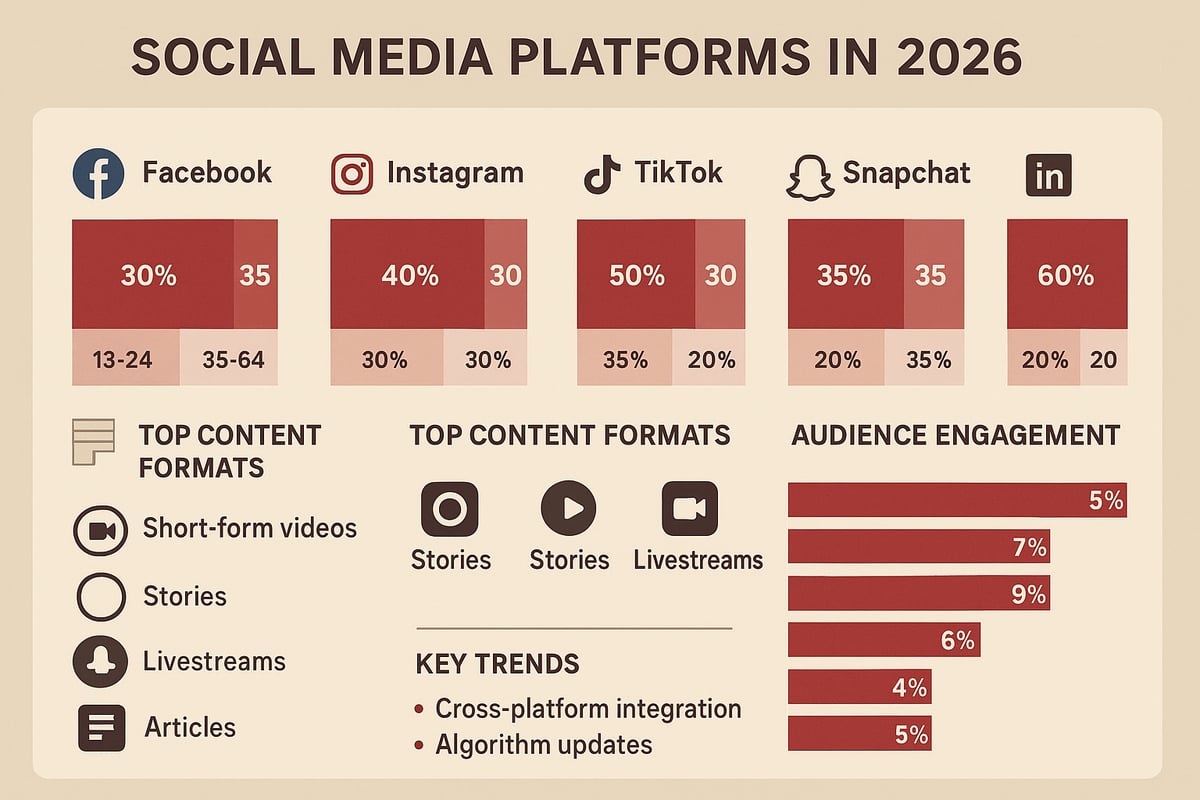
Selecting the right platforms is a critical step for effective social media marketing. The social media landscape in 2026 is more diverse and dynamic than ever. Major players like Facebook, Instagram, TikTok, Snapchat, and LinkedIn continue to dominate, but new platforms are quickly gaining ground. Businesses need to stay aware of where their audiences are spending time and how these platforms are evolving to maximize impact.
Major Social Media Platforms in 2026
Understanding the strengths of each platform is essential for effective social media marketing. Facebook remains popular among adults aged 50–64, while Instagram and TikTok attract younger demographics with visual and video-centric features. LinkedIn is the go-to for B2B networking and professional content, and Snapchat continues to engage Gen Z with ephemeral messages and creative tools. Emerging platforms, particularly those focused on niche communities or new technologies, are carving out dedicated user bases.
Aligning Platforms with Your Target Audience
Matching your audience to the right platform is fundamental for effective social media marketing. Use analytics and research, such as Pew Research data, to identify where your core segments are most active. For instance, B2B brands often see higher ROI on LinkedIn, whereas consumer lifestyle brands thrive on TikTok and Instagram. Leveraging demographic and psychographic insights ensures every message reaches the right people, increasing relevance and engagement.
Platform Features and Content Formats
Each platform offers unique opportunities for effective social media marketing. TikTok and Instagram lead with short-form video, while Facebook supports a mix of video, images, and text posts. Snapchat’s Stories and creative filters encourage quick, interactive engagement. LinkedIn’s article and live video features help brands share thought leadership. Adapting content formats to fit each channel’s strengths is vital for reaching and resonating with audiences.
Focused Efforts Yield Results
Trying to maintain a presence on every platform can dilute your efforts and reduce the effectiveness of your social media marketing. Instead, prioritize platforms where your target audience is most active and engaged. This focus allows for higher quality content, better community management, and more meaningful interactions. Testing new platforms can be valuable, but doubling down on proven channels often yields greater returns.
Emerging Trends and Strategic Choices
Staying ahead of trends is essential for effective social media marketing in 2026. Watch for the rise of new platforms, updates to algorithms, and deeper cross-platform integrations. Brands that adapt quickly to these changes will maintain a competitive edge. For an in-depth look at upcoming trends and platform shifts, see Social Media Trends 2026. Strategic platform selection, informed by data and ongoing experimentation, is the foundation for future growth.
Step 4: Craft and Execute a High-Impact Content Strategy
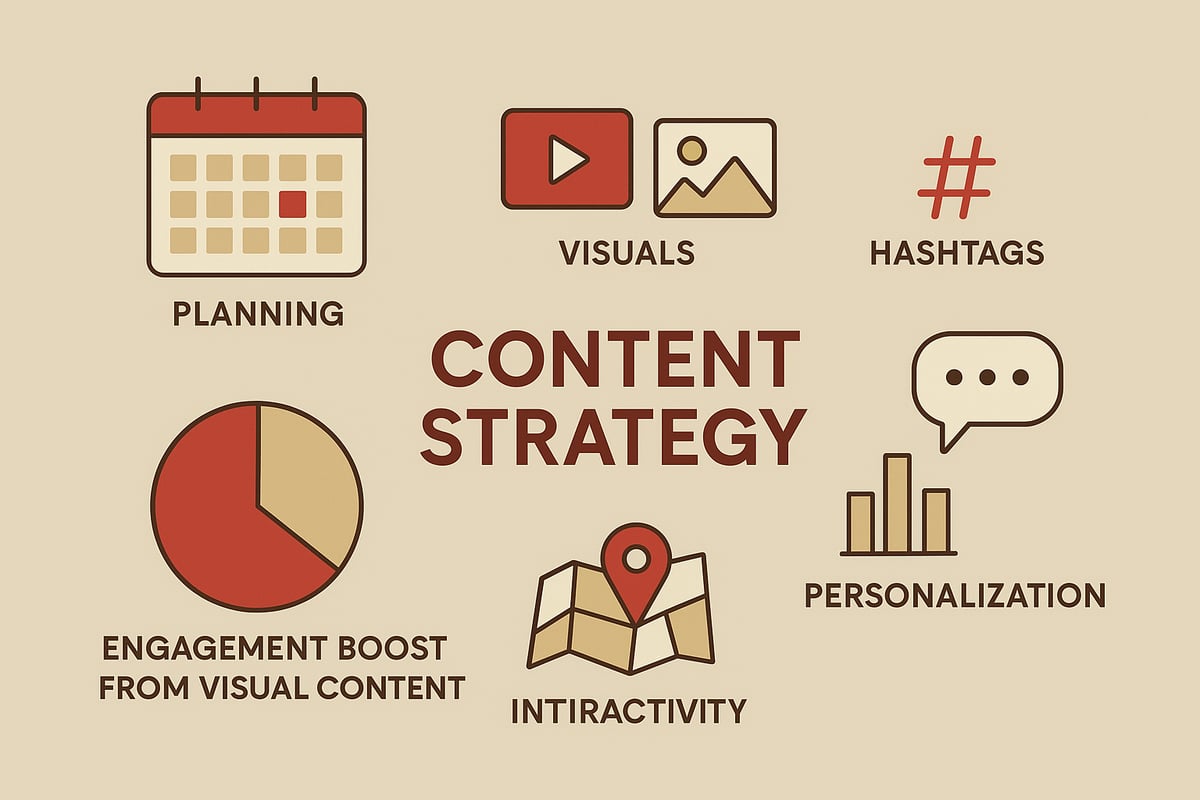
A high-impact content strategy is the cornerstone of effective social media marketing. With audiences facing endless digital noise, only a thoughtful, data-driven approach will break through. Below, you will find actionable tactics to plan, create, and deliver content that resonates and converts.
Content Planning and Scheduling for Consistency
Consistency is the foundation of effective social media marketing. Developing a content calendar ensures your brand posts regularly, remains relevant, and stays top-of-mind with your audience.
Start by identifying key dates, holidays, and industry events relevant to your business. Use scheduling tools to plan posts in advance across all chosen platforms. This approach helps maintain a steady presence and prevents last-minute scrambles.
Best practices include:
- Posting at optimal times when your audience is most active.
- Balancing evergreen topics with timely, trending content.
- Monitoring analytics to refine your calendar based on performance.
A sample content calendar might look like this:
| Day | Content Type | Platform |
|---|---|---|
| Monday | Industry Insights | |
| Wednesday | Product Demo Video | |
| Friday | User Poll |
Scheduling tools such as Buffer or Hootsuite streamline this process, allowing you to focus on creating high-quality material. Ultimately, a consistent schedule is essential for effective social media marketing success.
Leveraging Visuals, Video, and Design
Visual content is a driving force in effective social media marketing. Posts featuring compelling images, infographics, and short-form videos consistently outperform text-only updates.
To create memorable content, use brand colors, logos, and fonts for a cohesive look. Incorporate eye-catching graphics and motion to capture attention quickly. Videos, especially those under 60 seconds, are ideal for demonstrating products and sharing brand stories.
Consider this data: posts with visuals achieve up to 2.3 times more engagement than those without. Many brands partner with marketing video companies for social platforms to elevate their video strategy, ensuring professional quality and optimized performance.
Effective social media marketing also benefits from experimenting with new visual formats. Try animated GIFs, carousel posts, and interactive infographics. High-quality design builds brand recognition and encourages users to engage and share.
Experimenting with Content Formats and Interactivity
Diverse content formats are crucial for effective social media marketing. Engaging your audience goes beyond static posts. Interactive formats like polls, quizzes, and live streams invite participation and foster deeper connections.
Popular interactive tactics include:
- Hosting Q&A sessions or live product demos.
- Creating Instagram Stories with polls or sliders.
- Encouraging users to share their own content using branded hashtags.
Testing different formats helps identify what resonates best. For example, compare the performance of Instagram Reels versus Stories using analytics. User-generated content, such as customer testimonials or challenge videos, increases authenticity and boosts reach.
Effective social media marketing thrives on experimentation. Analyze results regularly, and double down on formats that deliver the highest engagement and conversions.
Hashtag Strategies and Trending Topics
Harnessing hashtags and trending topics is vital for effective social media marketing. Strategic hashtag use boosts content discoverability and connects your brand to broader conversations.
Begin by researching relevant hashtags using tools like Hashtagify or native platform insights. Combine popular industry hashtags with branded ones for maximum reach. Limit each post to three to five targeted hashtags to avoid clutter and maintain focus.
Stay alert to trending topics. Participate in conversations that align with your brand values and audience interests. For instance, timely engagement during major events or viral challenges can skyrocket visibility.
Monitor hashtag performance and adjust your approach based on analytics. The right hashtags help effective social media marketing campaigns achieve greater reach, higher engagement, and stronger brand recognition.
Content Personalization and Localization
Personalizing and localizing content is essential for effective social media marketing in diverse markets. Audiences respond best to messages that reflect their unique cultures, languages, and interests.
Start by segmenting your audience by region, age, or interests. Tailor visuals, copy, and offers to match each group. For example, Uber Eats’ Ramadan campaign featured region-specific messaging, resulting in higher engagement rates.
Localization tips include:
- Translating content for key markets.
- Using culturally relevant imagery and references.
- Addressing local holidays, customs, and trending topics.
Personalized content fosters stronger relationships and drives meaningful engagement. By making each audience feel seen and valued, you lay the groundwork for effective social media marketing that delivers real business results.
Step 5: Build and Nurture an Engaged Social Media Community
Building a thriving social media community is the backbone of effective social media marketing. An engaged audience not only amplifies your reach, but also increases brand credibility and loyalty. In 2026, fostering authentic connections is more important than ever for brands seeking sustainable growth.
Community Engagement Tactics
Active engagement is the driving force behind effective social media marketing. Responding quickly to comments, messages, and reviews shows your audience that their voices matter. This builds loyalty and encourages ongoing participation.
To further strengthen community ties, brands should:
- Encourage user-generated content by inviting customers to share stories, reviews, or creative posts featuring your products.
- Host contests, giveaways, and interactive challenges that spark excitement and broaden your reach.
- Highlight customer stories and testimonials, transforming satisfied clients into brand advocates.
- Build micro-communities around shared interests or values to foster deeper connections.
- Prioritize authenticity and transparency, as audiences crave real, relatable interactions.
Consider Dove’s #TurnYourBack campaign, which invited users to share unfiltered photos, driving massive authentic engagement. User-generated content has been shown to boost trust and conversion rates—an essential outcome for effective social media marketing.
For brands seeking to optimize their engagement strategies, leveraging Social media optimization agency insights can provide actionable tactics to maximize results and create a more vibrant online community.
Authentic engagement transforms passive followers into loyal advocates. This not only increases retention, but also encourages organic growth—key metrics for effective social media marketing.
Social Listening and Real-Time Interaction
Listening to your audience is as crucial as speaking to them. Social listening tools track brand mentions, monitor industry conversations, and surface emerging trends. These insights allow brands to tailor content and messaging for maximum relevance—a core principle of effective social media marketing.
Real-time interaction is equally important. By addressing questions, feedback, or concerns promptly, brands can prevent issues from escalating and demonstrate genuine care for their community. For example, resolving a customer complaint in real time can turn a negative experience into a positive review, strengthening brand reputation.
Social listening also helps identify opportunities for proactive engagement. Brands can join trending conversations, celebrate customer milestones, or offer support during key events. These real-time actions foster a sense of belonging and show that your brand is attentive and responsive.
Data shows that brands using social listening recover faster from potential crises and maintain higher levels of trust. This proactive approach is a cornerstone of effective social media marketing, ensuring your community feels heard and valued.
Ultimately, building and nurturing an engaged community is not a one-time effort, but an ongoing commitment. With the right strategies, brands can turn engagement into measurable business impact and long-term loyalty.
Step 6: Measure, Analyze, and Optimize Social Media Performance
To achieve effective social media marketing, measurement is not just an option—it is essential. Success today depends on a clear understanding of what works and what does not. Relying on intuition alone is no longer enough. Brands need robust analytics to guide every decision and maximize impact.
The first step is to select the right analytics tools. Platforms like Facebook Insights, Google Analytics, and native social dashboards offer a wealth of data. These tools track everything from post engagement to website conversions. Choosing the right metrics is crucial for effective social media marketing. Focus on engagement rate, reach, impressions, click-through rate (CTR), conversions, and return on investment (ROI).
Here is a quick comparison table to help prioritize metrics:
| Metric | Business Impact | Vanity or Actionable? |
|---|---|---|
| Followers | Low | Vanity |
| Engagement | High | Actionable |
| Impressions | Medium | Actionable |
| CTR | High | Actionable |
| Conversions | Very High | Actionable |
| ROI | Very High | Actionable |
Setting up real-time dashboards is another best practice for effective social media marketing. Dashboards allow teams to monitor campaign performance instantly and identify trends as they emerge. This real-time data enables rapid response and optimizes resource allocation.
Analytics are not just about tracking. They drive strategic pivots. For example, imagine a brand noticing that short-form videos consistently outperform static images in engagement. By analyzing the data, the team shifts its content strategy, resulting in higher interaction and improved ROI. This adaptability is a hallmark of effective social media marketing.
A/B testing is essential for ongoing optimization. Test different creatives, headlines, and posting times. Use the results to refine your approach and double down on what resonates. Companies that embrace iterative improvement see better long-term results.
The rise of AI-powered analytics tools is transforming the landscape. Advanced platforms now analyze sentiment, predict trends, and even suggest content optimizations. For a deeper understanding of how AI is shaping analytics and social media, explore AI in Social Media Marketing.
Avoid falling into the trap of vanity metrics. While it is tempting to celebrate high follower counts, these numbers rarely translate to business growth. Instead, focus on metrics that align with your objectives and drive real business outcomes.
In summary, measuring, analyzing, and optimizing performance is the backbone of effective social media marketing. Let data guide your decisions, and you will outperform competitors and achieve measurable growth.
Step 7: Leverage Influencer Partnerships and Collaboration
Influencer partnerships have become a cornerstone of effective social media marketing, especially as audiences grow more discerning and seek authentic brand connections. In 2026, influencer marketing is not just a trend, but a proven strategy to amplify reach, credibility, and conversion.
The Rise of Influencer Marketing in 2026
The landscape of effective social media marketing has evolved, with influencer partnerships taking center stage. Audiences now value peer recommendations over traditional ads, making influencers powerful advocates. Brands are leveraging influencers to break through digital noise and foster genuine engagement.
Nano and micro-influencers—those with smaller but highly engaged audiences—offer brands authentic access to niche communities. Their relatable content resonates with followers and increases trust, making them ideal partners for brands aiming to build loyalty and long-term relationships.
How to Identify and Collaborate with Influencers
To maximize effective social media marketing, brands must carefully vet influencers for audience alignment and authenticity. Start by analyzing their follower demographics, engagement rates, and content quality. Use social listening and analytics tools to assess fit and relevance.
Collaboration takes many forms, including sponsored posts, product reviews, and co-created campaigns. Consider partnerships that encourage influencers to share real experiences with your product or service. This approach ensures content feels genuine and drives higher engagement than scripted endorsements.
Measuring and Optimizing Influencer Campaigns
Success in effective social media marketing relies on setting clear KPIs for influencer campaigns. Common metrics include engagement rates, reach, conversions, and brand mentions. Use tracking tools and unique codes or links to attribute results directly to influencer efforts.
A/B testing different types of collaborations can reveal what resonates most with your audience. For instance, a fitness brand might compare the impact of an influencer-hosted live workout versus a series of product review posts. Analyze the data to refine your strategy and optimize future partnerships.
Trends and Best Practices for 2026
Looking ahead, nano- and micro-influencers will continue to dominate effective social media marketing due to their targeted reach and perceived authenticity. Brands should focus on building long-term relationships with these partners rather than one-off campaigns.
Integrating influencer activity with broader creative marketing strategies can boost both visibility and engagement. For actionable ideas, explore creative marketing strategies that boost visibility, which can complement your influencer efforts and drive measurable results.
To stay ahead, balance influencer partnerships with organic brand storytelling. This ensures your brand voice remains consistent and credible, even as you tap into new audiences through collaboration.
Step 8: Prepare for and Manage Social Media Crises
In today’s hyper-connected world, no effective social media marketing strategy is complete without a robust crisis management plan. Even the most careful brands can face unexpected backlash or misinformation that spreads quickly online. Preparing for these moments is critical to protect your reputation and maintain customer trust.
Crisis Management Protocols for Brands
Crisis preparation begins with a documented response plan. Assign clear roles so each team member knows who monitors social media, who drafts public statements, and who communicates with leadership. Rapid response is essential for effective social media marketing, as delays can worsen the situation.
Key steps for crisis management:
- Monitor social channels and industry trends with social listening tools to catch issues early.
- Assess the situation and verify facts before responding publicly.
- Communicate transparently and issue timely, genuine apologies if needed.
- Update stakeholders regularly with accurate information.
- Review what happened post-crisis to strengthen future protocols.
Consider this example: when a brand faces negative press or viral complaints, a swift, honest response—such as a public apology and clear remediation steps—can minimize long-term damage. Research shows brands with proactive crisis plans recover faster and maintain higher trust levels.
Effective social media marketing in 2026 demands adaptability, as digital trends shift rapidly. For deeper insight into how crisis management fits into broader digital strategies, review Digital Marketing Trends 2026.
Finally, remember that ongoing training and regular plan updates prepare your team for any scenario. By prioritizing crisis readiness, you ensure your effective social media marketing efforts are resilient, credible, and trusted by your audience.
Step 9: Learn from Viral Campaigns and Industry Case Studies
Understanding how viral campaigns succeed is essential for anyone seeking effective social media marketing. By analyzing standout examples, brands can uncover patterns that drive massive engagement and brand awareness.
Dissecting What Works (and Why)
Recent viral campaigns like Dove’s #TurnYourBack and Uber Eats’ Ramadan billboards offer powerful lessons. These campaigns connected emotionally with audiences, driving conversations and sharing across platforms.
Key elements that contributed to their success include:
- Authentic messaging that resonated with real customer values.
- Timely relevance, tapping into cultural or social moments.
- Strong visual storytelling, making content instantly recognizable.
- Encouragement of user participation, such as hashtags or challenges.
Consider the following table, which highlights attributes of these campaigns:
| Campaign | Authenticity | Emotional Connection | User Involvement | Platform Reach |
|---|---|---|---|---|
| Dove’s #TurnYourBack | High | Strong | Yes | |
| Uber Eats Ramadan | High | Strong | Moderate | Billboards, Social |
These examples show how effective social media marketing can exponentially boost brand awareness through a blend of emotional storytelling and strategic timing.
Applying Lessons to Your Strategy
Not every campaign will go viral, but brands can improve their odds by applying proven principles. Experimentation and agility are crucial in effective social media marketing. Test different creative formats, track results, and adapt quickly based on audience feedback.
Here are actionable steps to incorporate:
- Prioritize authenticity in every campaign.
- Listen to your audience for inspiration and timely topics.
- Use analytics to identify what resonates and double down on those strategies.
- Foster participation with clear calls-to-action and branded hashtags.
Learning from both viral successes and failures empowers brands to refine their approach. Strategic planning, creativity, and a willingness to adapt are the pillars of effective social media marketing. By analyzing industry case studies, marketers can unlock new opportunities for growth and engagement.
Now that you have a solid foundation for mastering social media marketing in 2026, it helps to see these strategies in action. Real results come from blending creativity, data, and a deep understanding of your audience—something we’re passionate about at Red Van Creative. If you’re curious about how thoughtful planning and consistent branding can transform your social presence, I invite you to explore real-world examples of our work. Take a look and discover what’s possible when strategy meets experience:
See Our Work / View Our Portfolio