
The world of marketing services is evolving at a pace never seen before. In 2026, businesses face a critical need to adapt or risk falling behind.
New technologies, data-driven strategies, and rising customer expectations are transforming how companies connect with their audiences. Staying ahead means understanding these shifts and responding with agility.
This guide delivers actionable strategies, proven frameworks, and expert insights. Whether you seek innovative tactics or future-ready solutions, you will find practical advice to drive measurable marketing success.
Explore the comprehensive overview ahead. Discover the evolution of marketing services, emerging trends, strategy building, technology integration, ROI measurement, and industry-specific approaches for the year ahead.
The Evolution of Marketing Services: 2020–2026
The landscape of marketing services has transformed dramatically between 2020 and 2026. Businesses now face a fast-paced environment, shaped by digital disruption, evolving consumer habits, and rapid advances in technology. Understanding these shifts is crucial for any organization aiming to stay ahead.
Key Shifts in Marketing Approaches
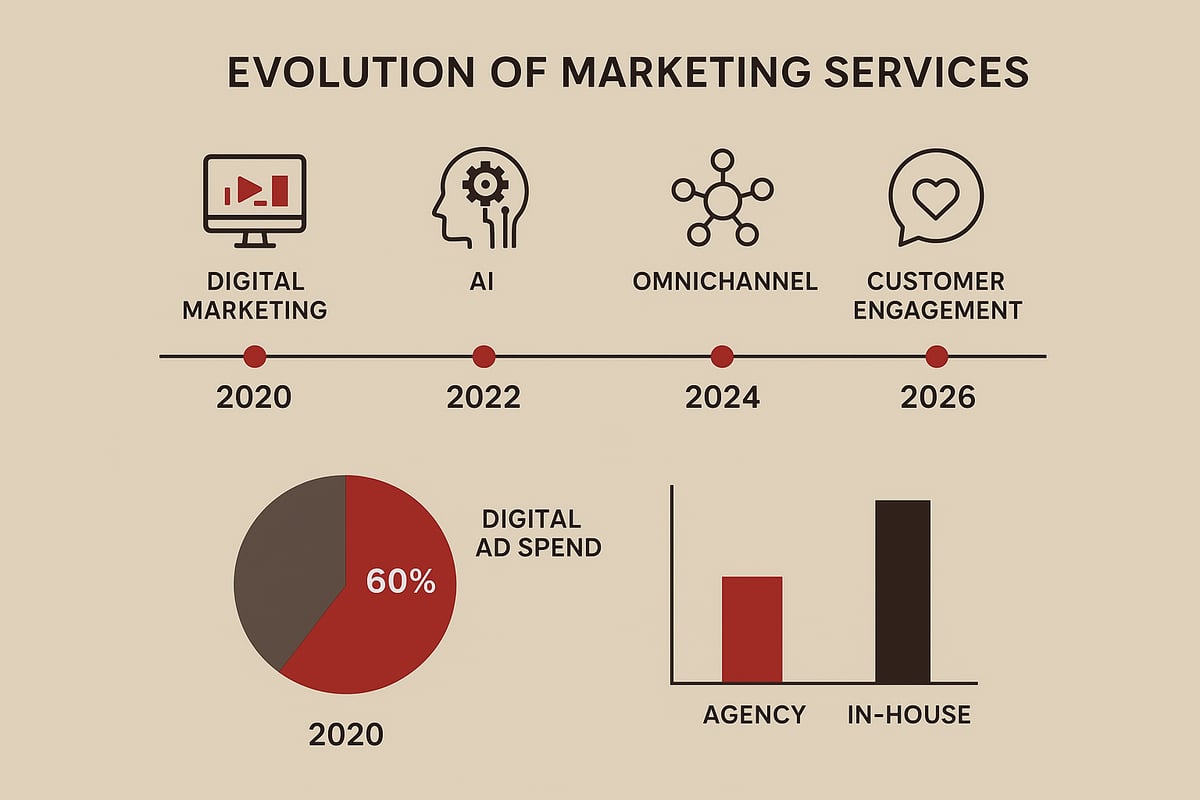
From 2020 to 2026, marketing services have shifted from traditional media to digital-first strategies. Today, over 60% of total ad budgets are dedicated to digital channels. This transition is driven by the need for measurable outcomes and the increasing influence of online platforms.
Omnichannel marketing has become the new standard. Brands now engage customers across websites, social media, mobile apps, and in-store experiences, ensuring seamless journeys. Personalization is at the forefront, with data-driven decision-making allowing marketers to tailor messages and offers for each audience segment.
AI, automation, and advanced analytics have become essential components within marketing services. Platforms like Mastercard’s Test & Learn® enable in-market experimentation, while brands report conversion rates exceeding 20% through integrated digital campaigns. The scope of marketing services now extends to holistic branding, web development, and customer engagement solutions, reflecting a broader business impact.
| Year | Digital Ad Spend (% of Budget) | Omnichannel Adoption | Personalization Focus |
|---|---|---|---|
| 2020 | 45% | Moderate | Emerging |
| 2026 | 60%+ | High | Standard |
The Role of Agencies and In-House Teams
The structure of marketing services delivery has evolved as well. Companies are increasingly adopting hybrid models, combining agency expertise with internal marketing teams for greater flexibility. Over 70% of mid-sized businesses now use a mix of in-house and outsourced marketing services, unlocking both agility and specialized skills.
The demand for agencies with industry-specific expertise is rising, especially in sectors like healthcare, retail, and energy. Cross-functional collaboration between marketing, sales, and IT is vital for campaign success. To navigate this complexity, many organizations turn to resources like Digital Marketing Agency Insights to identify the right partnership models and service offerings.
This blended approach empowers businesses to scale campaigns, tap into creative innovation, and respond quickly to market changes.
Changing Consumer Expectations
As marketing services have matured, so have consumer expectations. Audiences now demand authentic, transparent communication and expect brands to demonstrate social responsibility. Privacy, data security, and ethical marketing practices are non-negotiable for today’s customers.
Brands invest in customer engagement solutions such as loyalty platforms and personalized offers to build trust and foster long-term relationships. Consumers reward companies that respect their preferences and provide value-driven interactions.
Ultimately, the evolution of marketing services from 2020 to 2026 reflects a broader commitment to customer-centricity, ethical conduct, and measurable results.
Key Marketing Trends Shaping 2026
The landscape of marketing services is experiencing rapid transformation as 2026 approaches. Businesses must adapt to new tools, platforms, and consumer behaviors to stay competitive. From AI-driven personalization to omnichannel integration, understanding the latest trends is critical for success. For a deeper dive into the most influential trends, explore this resource on 10 marketing trends to watch out for in 2026.
Data-Driven Personalization and Customer Experience
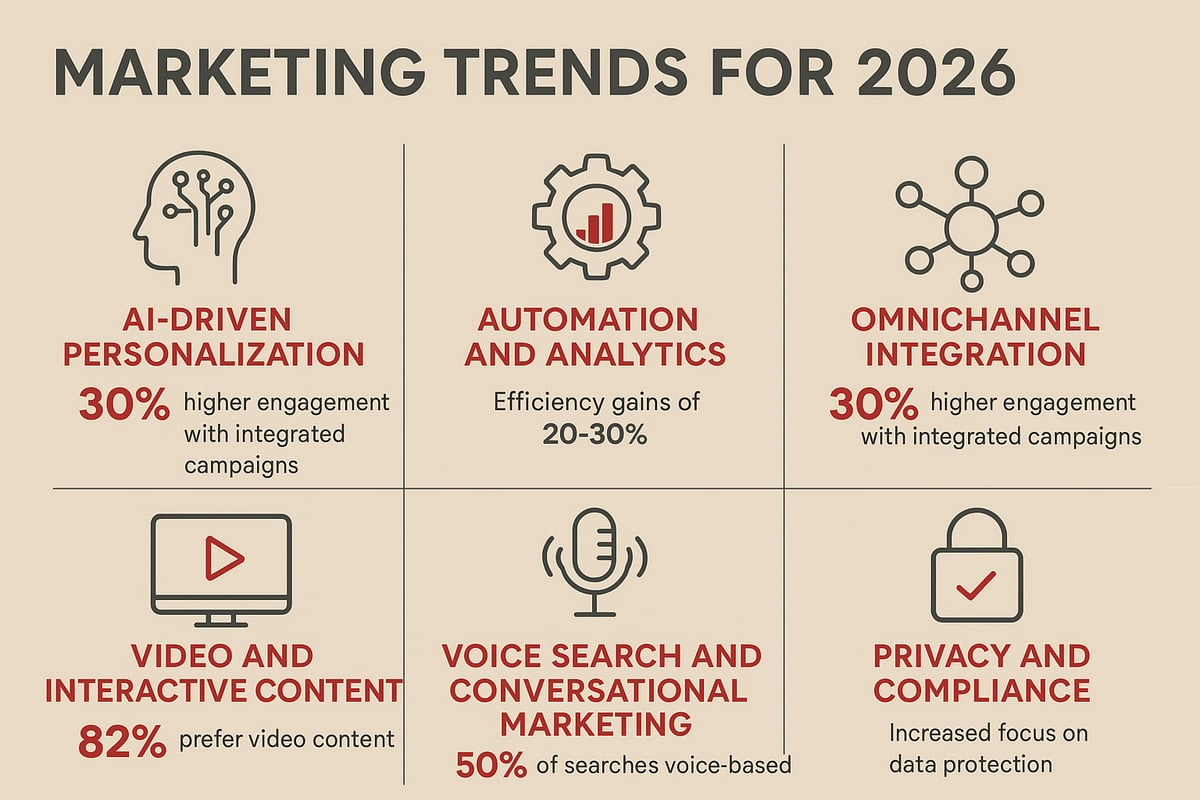
Personalization is at the forefront of marketing services in 2026. With AI and machine learning, brands can deliver hyper-relevant content and offers to each individual. Real-time customer journey mapping enables businesses to anticipate needs and tailor communications. Companies leveraging platforms like SessionM automate loyalty programs and optimize interactions at scale. This shift means marketing services must prioritize data integrity and ethical use of information. The result is more meaningful engagement and increased lifetime value.
The Rise of AI, Automation, and Advanced Analytics
AI is revolutionizing how marketing services operate. From SEO and content creation to audience segmentation and campaign management, automation is streamlining processes and improving accuracy. Marketers now use advanced analytics to uncover insights and predict future trends. AI-driven tools enable real-time optimization, allowing teams to adjust strategies on the fly. As a result, marketing services are more efficient, measurable, and adaptable to changing consumer behaviors.
Omnichannel and Integrated Campaigns
Omnichannel strategies are reshaping the effectiveness of marketing services. Businesses integrate digital, physical, and experiential touchpoints to create seamless experiences. Consistent messaging across platforms builds trust and reinforces brand identity. Research shows integrated campaigns can boost engagement rates by up to 30 percent. Marketing services must coordinate efforts across social media, web, email, and offline channels to maximize impact. The key is delivering a unified journey for every customer.
Video, Interactive Content, and Media Production
Video and interactive content continue to gain momentum within marketing services. Consumers engage more with dynamic formats like live streams, shoppable videos, and interactive infographics. Investing in professional media production elevates brand credibility and fosters trust. Video testimonials and high-quality product photography are proven to influence purchase decisions. As attention spans shrink, marketing services that harness rich media stand out in crowded digital spaces and drive measurable results.
Voice Search, Conversational Marketing, and Emerging Platforms
Voice assistants and conversational AI are redefining the way consumers interact with brands. By 2026, over half of all searches are expected to be voice-based. Marketing services must adapt by optimizing content for natural language and leveraging chatbots for instant engagement. SMS marketing and new conversational platforms open additional channels for personalized outreach. Staying ahead requires continuous experimentation and a willingness to embrace emerging technologies.
Privacy, Compliance, and Ethical Marketing
Privacy and data protection are non-negotiable in modern marketing services. As regulations like GDPR and CCPA evolve, brands must prioritize transparent practices and secure data management. Ethical marketing builds trust and long-term loyalty. Companies such as Mastercard are leading with data responsibility initiatives, demonstrating that compliance can be a competitive advantage. By focusing on privacy and ethics, marketing services ensure sustainable growth and protect their reputation.
Building a Winning Marketing Services Strategy for 2026
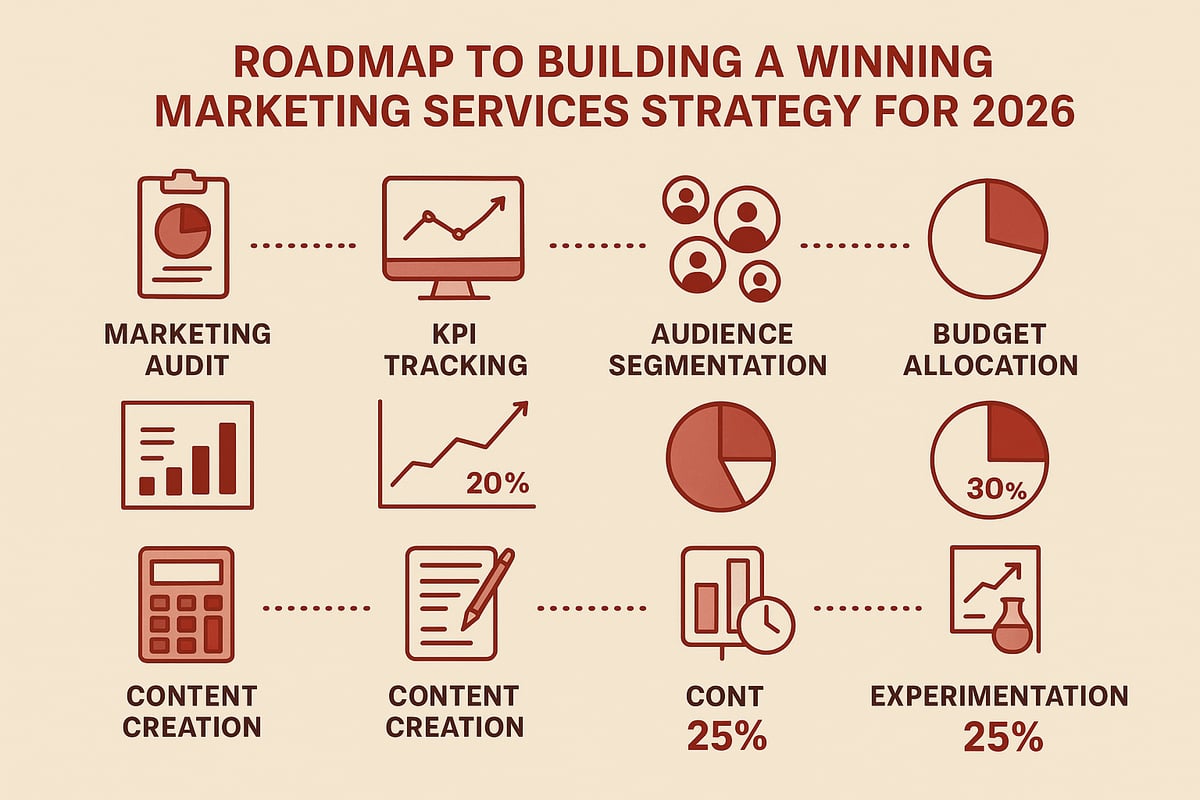
The path to measurable growth in 2026 starts with a strategic approach to marketing services. Success requires more than isolated tactics. It demands a comprehensive plan that aligns goals, resources, and technology with evolving market realities. Let’s break down the essential steps to building a winning strategy.
Conducting a Comprehensive Marketing Audit
Start with a thorough audit of your current marketing services. Review all assets, digital channels, and ongoing campaigns. Assess website performance, SEO health, paid media, and customer touchpoints.
Use tools such as SEO and CRO audits to identify technical gaps and user experience issues. Collect data on conversion rates, traffic sources, and engagement metrics. A structured audit highlights strengths and exposes areas needing improvement, providing a foundation for strategic decisions.
Create a checklist to track findings and prioritize action items. This process ensures your marketing services are built on real insights, not assumptions.
Defining Clear Goals and KPIs
Set clear objectives for your marketing services strategy. Align these goals with your overall business vision. Define specific, measurable, achievable, relevant, and time-bound (SMART) KPIs to track progress.
Example KPIs include lead generation volume, conversion rate, retention percentage, and customer lifetime value. Establish benchmarks using historical data or industry standards. Break down goals by channel and campaign for more precise tracking.
Transparent goals help teams stay focused and accountable. When marketing services are guided by actionable KPIs, it’s easier to identify what’s working and where to optimize further.
Audience Segmentation and Targeting
Effective marketing services rely on understanding your audience. Use analytics and CRM data to build detailed buyer personas and segments. Identify key characteristics, preferences, and pain points for each group.
Segment your audience by demographics, behaviors, or purchase history. Tailor campaigns to address the specific needs of each segment. Personalization increases relevance and drives higher engagement rates.
Monitor segment performance regularly. Adjust messaging and offers based on real-time feedback and campaign results. This targeted approach ensures your marketing services reach the right people with the right message every time.
Channel Selection and Budget Allocation
Choose the channels that best match your audience and goals. Evaluate the performance of SEO, PPC, social media, email, and offline channels. Allocate your budget to those delivering the highest ROI and strategic value.
Consider integrating new platforms or technologies that align with your industry trends. For a detailed overview of available marketing services and how to match them to your needs, review the Marketing Company Service Offerings.
Regularly revisit your channel mix and spend allocation. As performance data evolves, shift resources to maximize impact. This agile approach keeps your marketing services strategy efficient and future-ready.
Content and Creative Strategy
Develop a content calendar that balances blog posts, videos, infographics, and case studies. Prioritize authentic storytelling and consistent brand messaging across all touchpoints.
Use data insights to guide content topics and formats. High-quality creative assets build trust and differentiate your brand. Collaborate with design, copywriting, and media teams to ensure content aligns with your marketing services objectives.
Include feedback loops for creative review and iteration. Monitor engagement metrics to refine your approach. A robust content strategy amplifies the value of your marketing services and drives sustained growth.
Testing, Experimentation, and Continuous Improvement
Embrace a culture of experimentation within your marketing services plan. Implement A/B testing for campaigns, landing pages, and creative assets. Use business experimentation platforms to validate new ideas with minimal risk.
Track key metrics before and after changes to measure impact. Create feedback loops with sales and customer service teams to gather qualitative insights. Continuous improvement relies on both quantitative data and real-world feedback.
Document lessons learned and pivot quickly when needed. This iterative approach ensures your marketing services adapt to changing market conditions and deliver optimal results.
The Essential Marketing Services Toolkit: Must-Have Solutions in 2026
In 2026, businesses need a robust toolkit to thrive in a competitive digital landscape. The right mix of marketing services empowers brands to attract, engage, and convert audiences efficiently. Let’s explore the must-have solutions shaping success in the modern era.
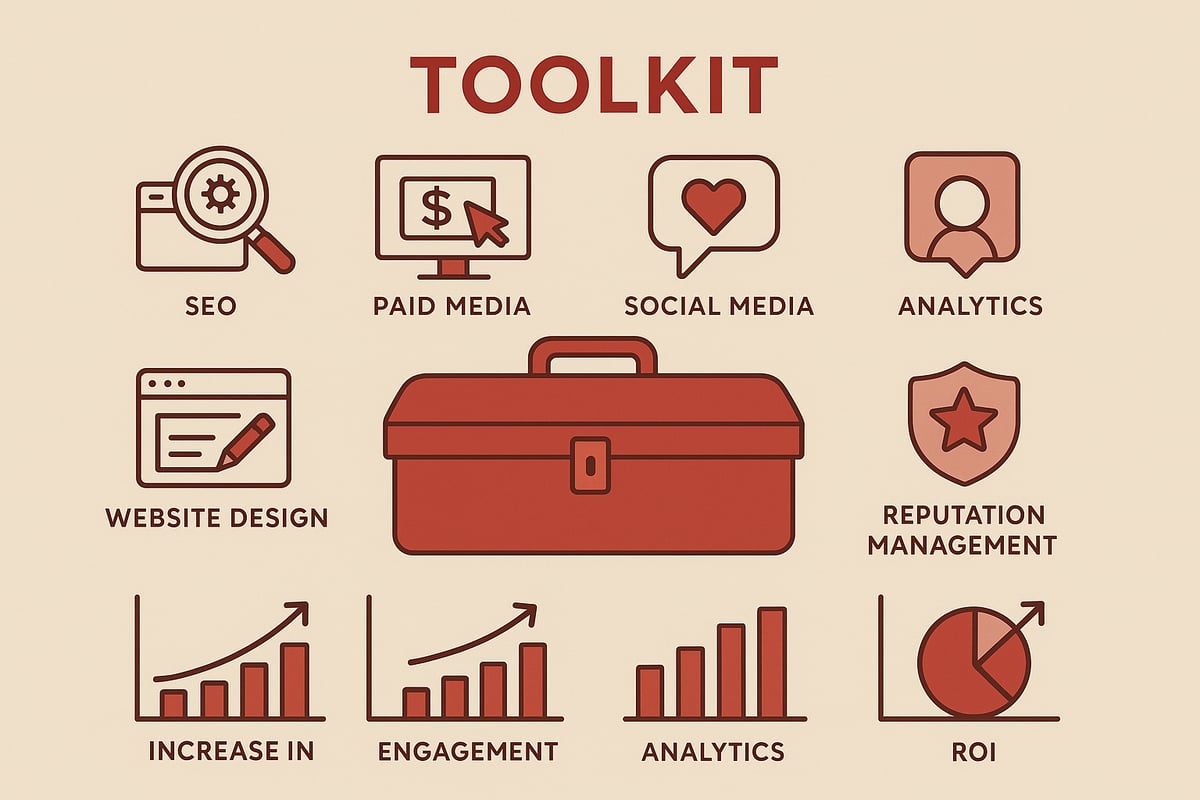
Search Engine Optimization (SEO) and Content Marketing
SEO and content marketing are the foundation of digital visibility. In 2026, technical SEO, local optimization, and AI-driven strategies are crucial for ranking high in search results. High-quality content, including blogs, videos, and infographics, positions brands as industry authorities.
Businesses leveraging SEO audits and expert content writing as part of their marketing services often experience up to 5x more organic traffic. Copywriting and translation services enable global reach, while regular content updates boost search performance.
A well-executed SEO plan ensures your brand is discovered by the right audience at the right time.
Paid Media and Performance Advertising
Paid media is evolving rapidly, offering precision targeting through PPC, SEM, and programmatic advertising. Optimized campaigns on platforms like Google Ads, YouTube, and major social channels deliver measurable results.
When marketing services include ongoing optimization, paid campaigns can achieve up to a 190% increase in engagement. Data-driven approaches allow for effective budget allocation and real-time adjustments.
Performance advertising is essential for brands aiming to maximize ROI from their digital spend.
Social Media Management and Brand Building
Social media management is vital for building brand reputation and fostering community engagement. A strategic approach to marketing services includes profile management, reputation monitoring, and consistent content delivery.
Effective social media management increases new followers by over 60% and supports customer retention. Community engagement, real-time responses, and creative campaigns keep audiences connected.
A strong, authentic social presence differentiates brands in crowded markets.
Website Design, UX, and Conversion Optimization
Your website is the digital storefront for your business. Custom website design, ADA compliance, and CRO audits are integral parts of modern marketing services. A seamless user experience (UX) increases conversions and reduces bounce rates.
Businesses with optimized websites see over 300% growth in monthly visits. For a deeper dive into the intersection of web design and marketing, explore Web and Marketing Integration to understand how these elements drive results.
Investing in website optimization delivers measurable business impact.
Email Marketing and Automation
Email marketing remains a top-performing channel for direct communication and nurturing leads. Personalized campaigns, segmentation, and drip sequences are standard features in effective marketing services.
Integrating email marketing with CRM and automation platforms enhances targeting and efficiency. Brands leveraging email see consistently high ROI compared to other digital channels.
Frequent testing and analytics ensure continuous improvement of email strategies.
Analytics, Reporting, and Business Intelligence
Advanced analytics and reporting tools are critical for measuring the success of marketing services. Real-time dashboards, multi-touch attribution, and predictive modeling provide actionable insights.
Platforms like Mastercard Intelligence Center and Portfolio Optimizer set the standard for comprehensive business intelligence. Data-driven decision-making helps brands adapt quickly and optimize performance.
Transparent reporting keeps all stakeholders informed and aligned.
Reputation Management and Review Generation
Online reputation can make or break a brand. Proactive reputation management and review generation are essential components of modern marketing services.
Monitoring feedback, responding promptly, and encouraging positive reviews build trust with potential customers. Reputation management software allows brands to recover from negative incidents and maintain a strong presence.
A positive online reputation directly influences conversions and long-term growth.
Measuring Success: KPIs, Analytics, and ROI in Modern Marketing
In today’s competitive environment, businesses must prove the effectiveness of their marketing services with clear, measurable outcomes. Success is no longer defined by guesswork. Instead, it is grounded in data, analytics, and a strong focus on tangible results. This section explores how brands can harness modern measurement tools to drive growth, maximize budgets, and stay ahead in 2026.
Key Performance Indicators for 2026
Defining and tracking the right KPIs is essential for evaluating the impact of marketing services. Marketers should align KPIs with business objectives to ensure every campaign delivers value. Common KPIs include lead generation, conversion rates, customer lifetime value, and retention metrics.
| KPI | What It Measures | Why It Matters |
|---|---|---|
| Conversion Rate | % of leads who take action | Indicates campaign effectiveness |
| Customer Lifetime Value | Revenue per customer | Guides budget and retention focus |
| Organic Traffic | Visitors from search engines | Shows SEO and content success |
| Engagement Rate | Interactions per campaign | Reflects audience connection |
For marketing services, channel-specific KPIs such as ad clicks or social engagement provide further insight. For example, Brazos Higher Education tracked key metrics and saw a 40% increase in loan volume. Focusing on the right indicators ensures resources are invested where they matter most.
Advanced Analytics and Attribution Models
Modern marketing services rely on advanced analytics to understand performance across channels. Multi-touch attribution models reveal which touchpoints drive conversions, while predictive analytics help forecast future trends. Brands using these approaches report up to 30% higher ROI.
Advanced dashboards allow teams to monitor performance in real time. Leveraging tools like customer journey analytics and predictive modeling empowers marketers to optimize spend and personalize outreach. For deeper insight into how analytics and AI are shaping the industry, review The 6 Marketing Trends to Watch in 2026.
When marketing services are guided by robust analytics, teams can shift budgets quickly and adapt campaigns to changing customer behavior.
Experimentation and Continuous Optimization
Continuous improvement is vital for effective marketing services. Experimentation methods like A/B testing, multivariate testing, and business experimentation solutions help de-risk new ideas. Platforms such as Mastercard’s Test & Learn® enable brands to test changes before scaling, ensuring only proven tactics are adopted.
Brands that embrace a culture of experimentation see up to 40% higher campaign ROI. By analyzing test results and feedback loops, marketers can fine-tune messaging, creative, and targeting. This agile approach allows businesses to react to market shifts and maintain a competitive edge.
Marketing services that prioritize ongoing optimization consistently outperform static, one-size-fits-all strategies.
Reporting and Communication with Stakeholders
Transparent reporting is the backbone of successful marketing services. Clear, actionable reports ensure alignment between marketing, leadership, and partners. Best practices include customizing dashboards for different audiences, using visual summaries, and providing context for data trends.
Regular communication builds trust and keeps all stakeholders informed of progress. Monthly summaries and consultative reviews help identify new opportunities and adjust strategies as needed. Ultimately, effective reporting turns analytics into action, driving better decisions and stronger results for marketing services.
Industry-Specific Strategies: Tailoring Marketing Services for Maximum Impact
Businesses across industries require tailored marketing services to achieve measurable growth. Strategies must adapt to unique buyer journeys, compliance needs, and market dynamics. Here, we break down how industry-specific marketing services drive results.
B2B vs. B2C Marketing Approaches
B2B and B2C organizations demand different marketing services for maximum impact. B2B strategies often focus on account-based marketing, longer sales cycles, and in-depth content to nurture decision-makers. In contrast, B2C marketing services emphasize emotional storytelling, quick conversions, and broad audience reach.
For B2B, building authority through whitepapers and targeted LinkedIn campaigns is crucial. B2C brands succeed with influencer partnerships and user-generated content. Customizing marketing services to these differences ensures higher engagement and ROI.
Local, Regional, and Global Campaigns
Adapting marketing services for geographic scope is essential. Local campaigns prioritize local SEO, community engagement, and compliance with regional regulations. Regional strategies may include partnerships and localized content to connect with area-specific audiences.
Global campaigns require scalable marketing services, language localization, and cultural sensitivity. Data shows localized approaches can increase conversion rates by up to 50 percent. Marketers must assess legal, linguistic, and cultural factors to optimize results.
Niche Industry Solutions
Specialized industries such as oil and gas, healthcare, or construction require marketing services with sector expertise and compliance knowledge. Agencies serving these verticals must understand regulatory requirements, technical jargon, and audience pain points.
Tailored content, industry-specific branding, and targeted advertising are key elements. For example, healthcare marketing services prioritize HIPAA compliance, while construction firms benefit from project showcase portfolios. Expertise in niche sectors elevates credibility and trust.
Franchise and Multi-Location Marketing
Franchise and multi-location businesses face challenges in scaling marketing services while maintaining brand consistency. Centralized strategies streamline messaging, while local SEO and review management help each location stand out.
Effective marketing services include unified reporting, franchise-specific SEO, and reputation management tools. To enhance customer engagement, explore Customer Engagement in Digital Marketing for proven tactics that drive loyalty and growth in multi-location models.
Non-Profit and Mission-Driven Marketing
Non-profits and mission-driven organizations benefit from marketing services focused on storytelling, donor engagement, and digital fundraising. Authentic narratives connect with supporters, while targeted campaigns boost awareness and donations.
Leveraging digital channels such as email, social media, and content marketing amplifies impact. Analytics help non-profits measure campaign effectiveness and refine strategies. Strategic marketing services empower these organizations to maximize their mission’s reach.
Staying Ahead of Industry Trends
Continuous learning is vital for success with marketing services in any sector. Marketers should monitor trends, participate in webinars, and engage with industry reports. This proactive approach enables quick adaptation to regulatory changes, new technologies, and evolving consumer behaviors.
For insight on the latest innovations, see Top 12 Digital Marketing Trends In 2026: What’s Changing?. Staying informed helps organizations future-proof their marketing services and maintain a competitive edge.
As you look ahead to 2026 and consider how to elevate your marketing strategy, it helps to see what’s possible in action. Throughout this guide, we’ve explored how data-driven campaigns, creative design, and authentic brand storytelling can drive real results across diverse industries. If you’re curious about how these strategies translate into measurable success, I encourage you to take a closer look at how we’ve partnered with clients to solve unique marketing challenges and build lasting connections. For inspiration and a tangible sense of what’s achievable, See Our Work / View Our Portfolio.