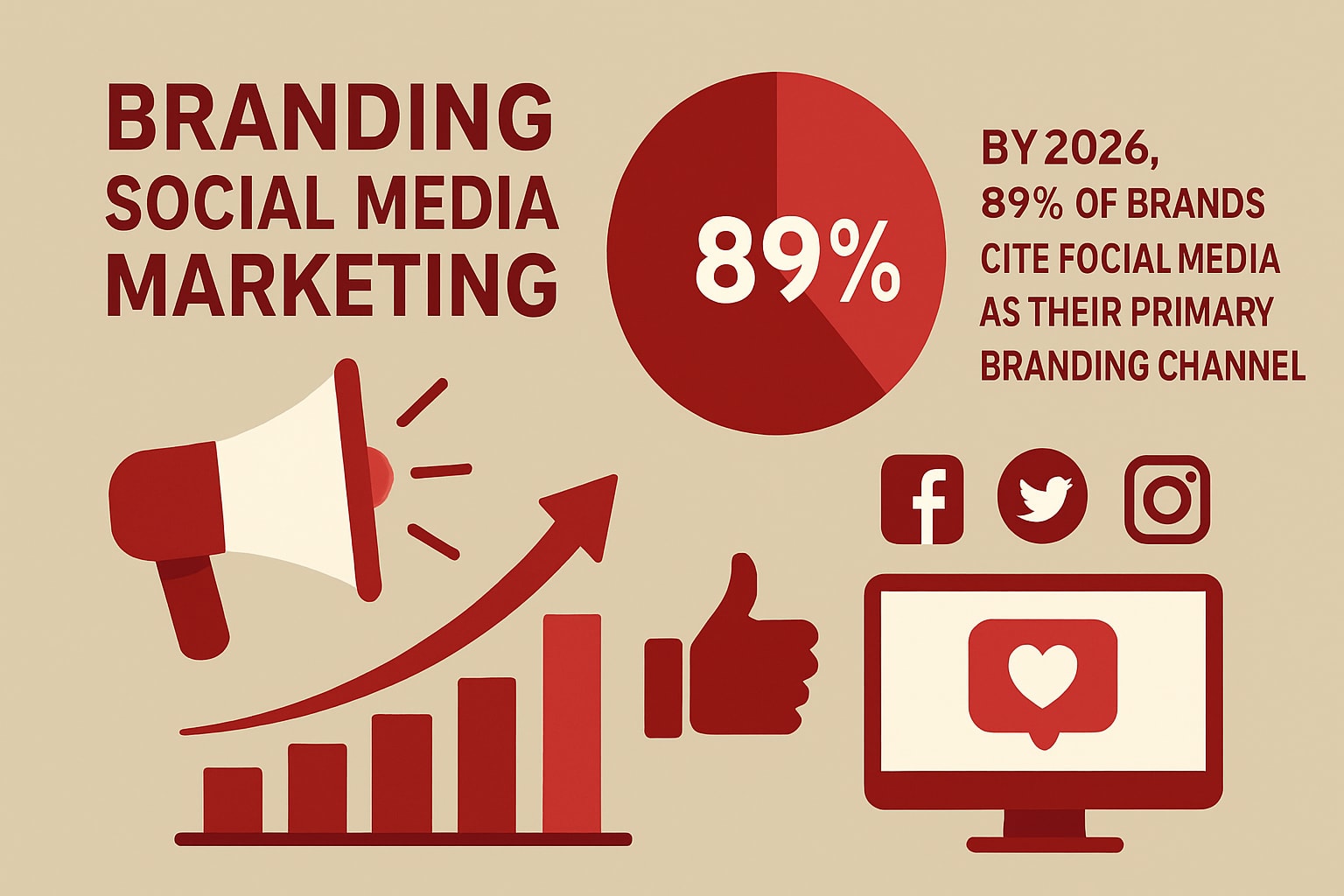
By 2026, 89% of brands cite social media as their primary branding channel, signaling a dramatic shift in how businesses connect with audiences.
Platforms and consumer expectations are changing faster than ever. This evolution demands that organizations rethink their branding social media marketing strategies to stay visible and relevant.
This guide delivers actionable, future-focused strategies designed to help you build a powerful brand presence on social media in 2026. You will discover essentials like branding fundamentals, how to audit your brand, develop a cross-platform strategy, leverage new technologies, measure ROI, and adapt to emerging trends.
Ready to outpace the competition? Dive into this comprehensive guide and future-proof your approach.
The Evolution of Branding in Social Media Marketing
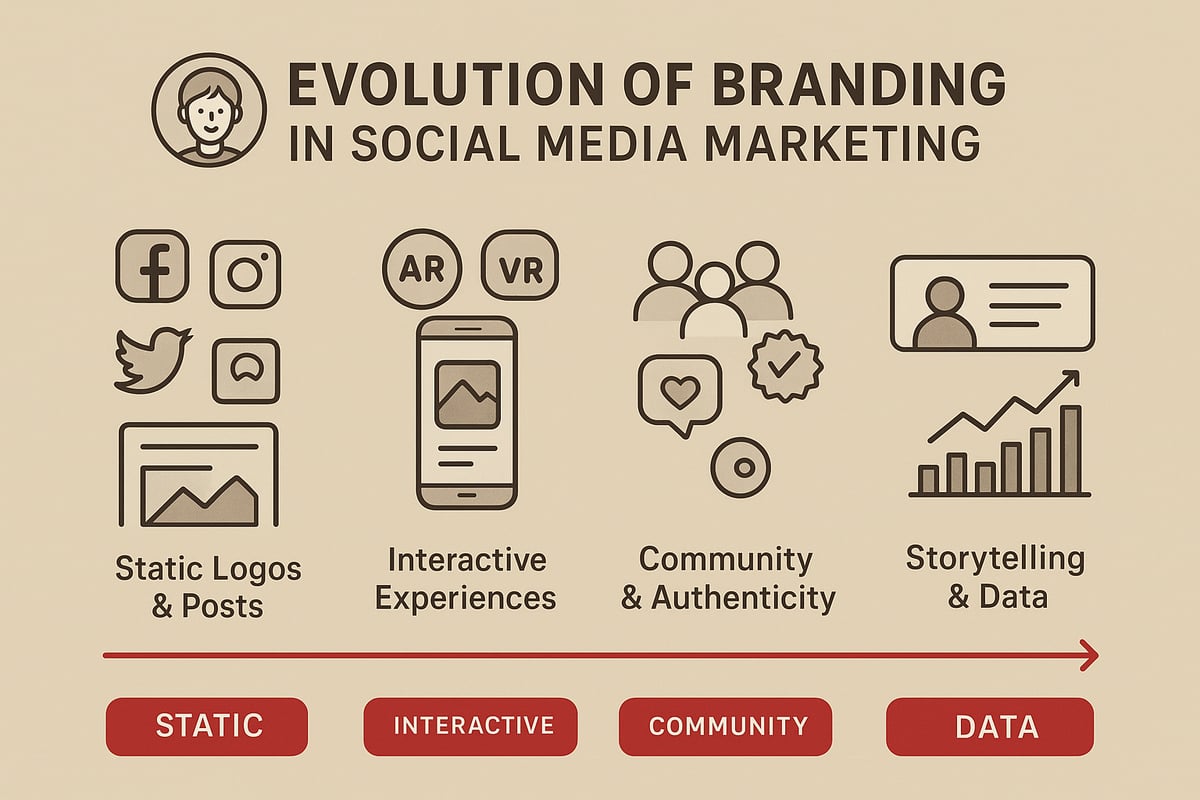
The landscape of branding social media marketing has transformed dramatically over the past decade. What once relied on static visuals and scheduled posts now thrives on dynamic, interactive experiences. Brands must continually adapt as platforms update features and user expectations evolve.
From Static Visuals to Interactive Experiences
Branding social media marketing no longer means simply posting a logo or a catchy slogan. Platforms like TikTok and Instagram have shifted the focus to real-time engagement, live streams, and interactive content. Algorithm changes now favor brands that foster genuine conversations and two-way interactions.
| Branding Element | Past Approach (2016) | Current Approach (2026) |
|---|---|---|
| Visuals | Static images | Motion graphics, AR filters |
| Messaging | One-way | Conversational, adaptive |
| Community | Broad audience | Niche micro-communities |
| Content | Scheduled posts | Real-time, interactive |
Brands that have embraced these changes see higher engagement and more meaningful connections. The evolution of branding social media marketing is a response to both technological innovation and shifting consumer expectations.
The Rise of Micro-Communities and the Demand for Authenticity
Micro-communities are now essential for brands aiming to build loyalty. Rather than targeting everyone, leading brands focus on niche groups where they can cultivate trust and relevance. Authenticity and transparency are critical, as 88% of consumers in 2026 say they are more likely to support brands they consider honest and open.
This new era of branding social media marketing involves direct engagement with smaller, highly engaged groups. Brands use interactive polls, AMAs, and behind-the-scenes content to foster transparency. These tactics help brands build credibility and lasting relationships in a crowded digital landscape.
Gen Z and Gen Alpha: Reshaping Expectations
Younger generations are redefining branding social media marketing. Gen Z and Gen Alpha expect brands to be inclusive, socially responsible, and quick to adapt to new trends. They value brands that speak their language and participate in the platforms they use most.
Leading brands adapt by:
- Localizing content for different platforms.
- Using short-form video and ephemeral stories.
- Collaborating with influencers who resonate with younger audiences.
These strategies ensure that branding social media marketing remains fresh and relevant as consumer demographics shift.
Storytelling and User-Generated Content Drive Loyalty
Brand storytelling is more crucial than ever. In 2026, campaigns that leverage user-generated content (UGC) achieve 29% higher engagement rates than traditional branded posts. UGC builds trust, as audiences see real people advocating for a brand.
According to Branding Statistics for 2026, brands prioritizing UGC and authentic storytelling outperform their peers in both reach and loyalty. This data underscores the importance of weaving customer voices into branding social media marketing strategies.
The Challenge of Consistency Across Evolving Platforms
While innovation is vital, maintaining consistency remains a core challenge. Brands must ensure their voice, visuals, and messaging align across all platforms, even as algorithms and features rapidly change.
Common challenges include:
- Adapting brand assets for different platform formats.
- Keeping messaging coherent amid frequent updates.
- Balancing experimentation with core brand identity.
To succeed, brands need flexible guidelines and agile teams. Consistency in branding social media marketing helps audiences recognize and trust a brand, regardless of where they encounter it.
The evolution of branding social media marketing is ongoing. Brands that embrace transparency, leverage new technologies, and maintain consistency across platforms will thrive in 2026 and beyond.
Auditing and Defining Your Brand for Social Media Success
Building a robust foundation is the first step toward effective branding social media marketing. With social platforms evolving rapidly, a comprehensive brand audit ensures your identity aligns with both current trends and future expectations.
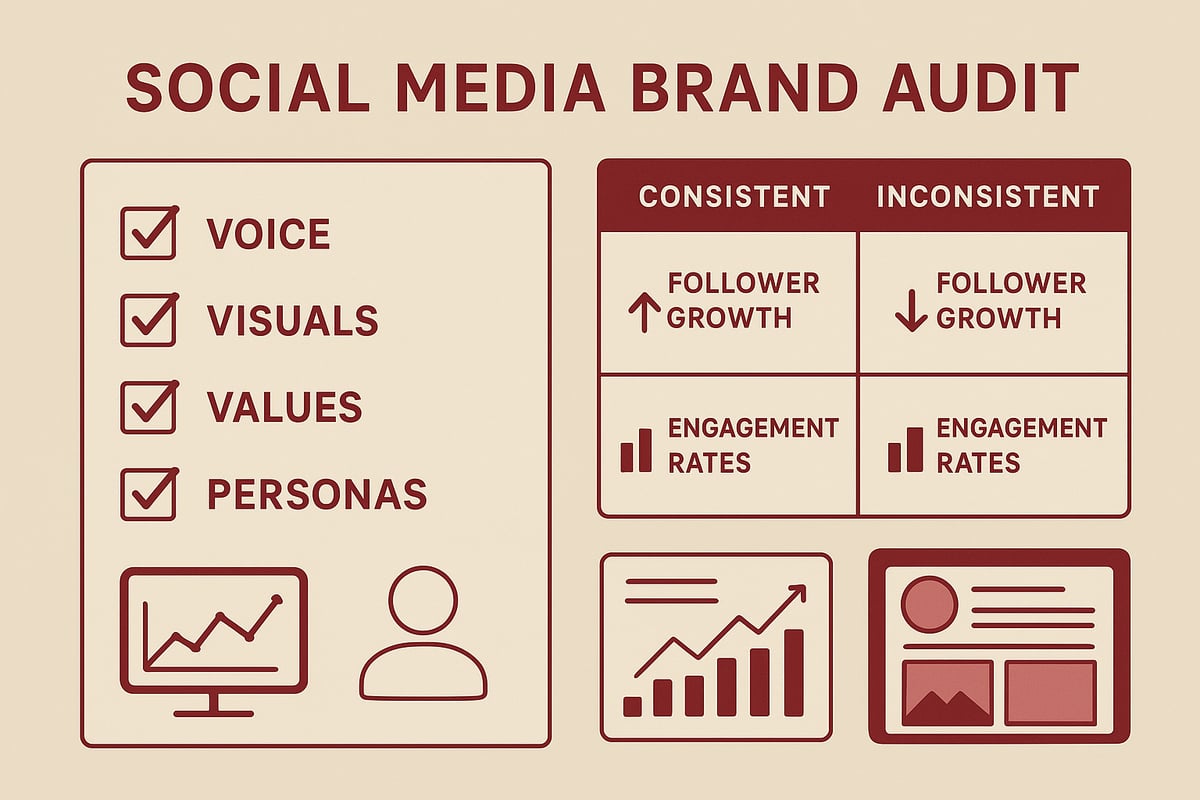
Begin by evaluating your brand’s core elements: voice, visual identity, values, and customer personas. Use analytics tools tailored for social media to assess consistency across every platform. This includes reviewing profile visuals, bios, tone, and engagement patterns.
A practical brand audit checklist might include:
| Audit Step | Key Questions to Ask |
|---|---|
| Visual Identity | Are logos, colors, and imagery consistent? |
| Brand Voice | Does messaging reflect brand personality? |
| Audience Alignment | Are you targeting the right personas? |
| Content Consistency | Is the posting schedule and style unified? |
| Engagement & Response | Are interactions timely and on-brand? |
Align your messaging with audience expectations for 2026, focusing on authenticity and relevance. Research shows brands with cohesive branding social media marketing see 33% higher follower growth and engagement rates.
Consider brands that have successfully redefined themselves for digital audiences, such as those that shifted tone or revamped visuals to resonate with Gen Z. Avoid common pitfalls like neglecting inactive profiles, inconsistent imagery, or outdated messaging.
For a deeper dive into foundational principles, explore Branding in Digital Marketing, which covers essential strategies for digital brand success.
Careful, regular audits help maintain a unified presence, build trust, and set the stage for long-term growth.
Creating a Distinctive Brand Voice
A unique brand voice is central to branding social media marketing. Start by defining your brand’s personality: are you authoritative, playful, or empathetic? Document your voice guidelines and train your team to ensure consistency across all content.
Leading brands in 2026 often use storytelling, humor, or bold opinions to stand out. For instance, a tech startup might adopt a witty, conversational tone to appeal to younger audiences, while a financial brand may choose a reassuring, expert voice.
Key strategies include:
- Regularly reviewing and updating your brand’s style guide
- Using customer language and feedback for tone inspiration
- Testing variations in voice to see what resonates best
By refining your approach, you foster recognition and loyalty, making your brand memorable in a crowded digital space.
Visual Branding Essentials for Social Media
Visual branding is a cornerstone of branding social media marketing. Trends for 2026 emphasize bold color palettes, animated logos, and interactive motion graphics. Use high-quality, adaptable visuals that reinforce your identity across platforms.
Data shows that brands with strong visual consistency experience a 28% boost in brand recognition. Invest in templates and assets that align with your values and audience preferences.
To maintain a cohesive look, audit your social profiles regularly for outdated images or off-brand content. Leverage tools that track visual consistency and provide actionable insights.
Remember, in a fast-scrolling environment, eye-catching visuals can be the difference between being noticed and being ignored.
Building a Cross-Platform Branding Strategy
In 2026, an effective branding social media marketing strategy must transcend individual platforms. Brands can no longer afford to focus on just one channel. Instead, they must create a seamless, recognizable presence wherever their audience spends time. This integrated approach ensures that your brand voice, visuals, and values remain cohesive, even as you tailor content to fit the unique culture of each network.
A cross-platform strategy maximizes reach, adapts to shifting consumer habits, and future-proofs your branding social media marketing efforts. Let us break down the steps to building a winning strategy that works across Instagram, TikTok, LinkedIn, Threads, and beyond.
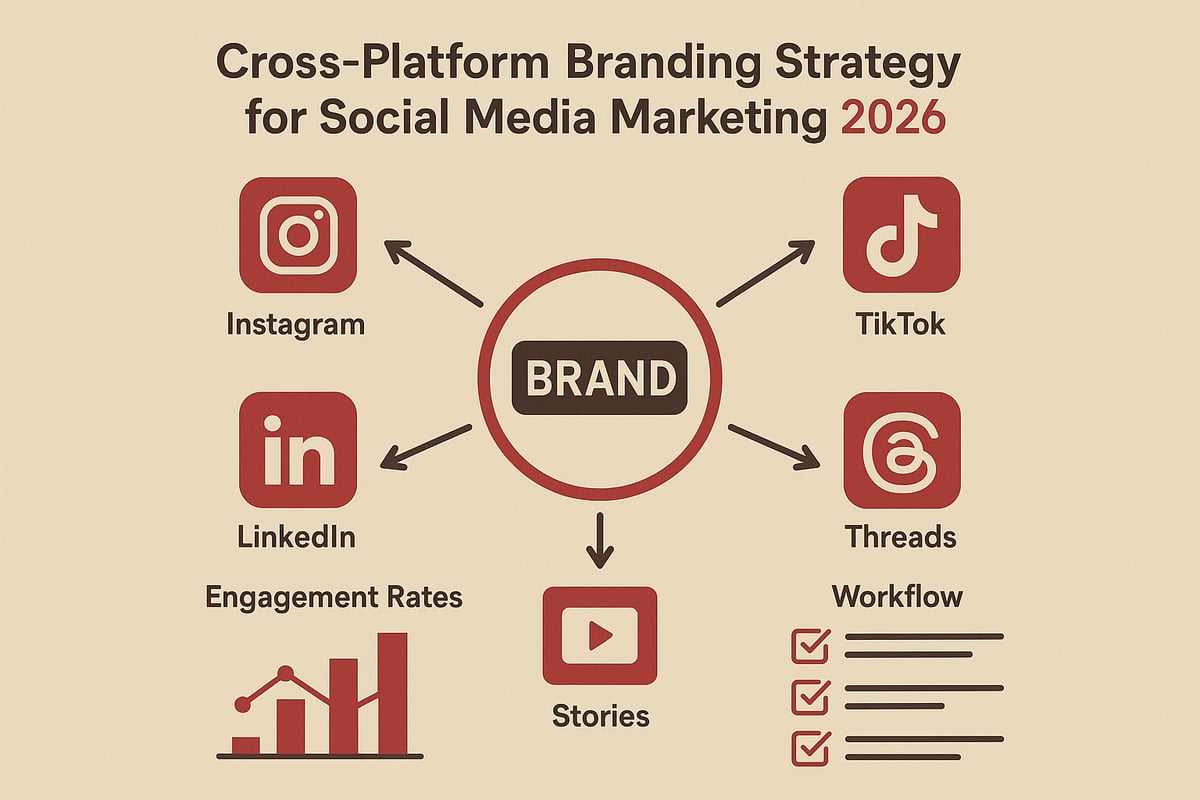
Step 1: Platform Selection and Audience Mapping
The first step in branding social media marketing is choosing the right platforms for your brand goals and audience demographics. Each social network offers distinct opportunities. For example, Instagram continues to excel at visual storytelling, while TikTok dominates short-form video and trend-driven engagement. LinkedIn remains the go-to for professional networking and B2B branding, and Threads is gaining traction among Gen Z for real-time conversations.
To map your audience, analyze current follower data, survey your customer base, and review industry benchmarks. According to recent reports, TikTok and Instagram have the highest engagement rates among users aged 18-35, while LinkedIn shines in the 30-50 professional segment. Threads, though newer, is rapidly growing among digital natives.
Consider creating a table like the one below to compare platforms:
| Platform | Strengths | Weaknesses | Key Demographics |
|---|---|---|---|
| Visuals, Stories, Reels | Algorithm shifts | 18-35, global | |
| TikTok | Viral trends, UGC | Short content lifespan | 16-30, Gen Z/Alpha |
| B2B, thought leadership | Slower content cycle | 30-50, professionals | |
| Threads | Real-time engagement | Smaller user base | 18-29, Gen Z |
By focusing your branding social media marketing efforts where your target audience is most active, you maximize impact and minimize wasted resources. Revisit platform choices regularly as user trends evolve.
Step 2: Content Planning and Calendar Development
Once you have selected platforms, the next step is to develop a unified content calendar that aligns with your branding social media marketing objectives. A robust calendar ensures consistency, helps you plan in advance, and allows for timely adaptation to trends or platform updates.
Start by identifying content pillars that reflect your brand values and resonate with each audience segment. For example, a tech brand might focus on innovation, behind-the-scenes stories, and user testimonials. Use a mix of formats: videos, live streams, stories, carousel posts, and interactive polls.
Here is a checklist for effective content planning:
- Map out monthly themes relevant to your brand.
- Schedule platform-specific content (e.g., Reels for Instagram, challenges for TikTok).
- Allocate resources for real-time engagement and trend-jacking.
- Use tools like Trello, Asana, or Notion to visualize your calendar and assign tasks.
- Set clear KPIs for each campaign (reach, engagement, shares, conversions).
Templates and automation can streamline your workflow, but flexibility is key. Monitor analytics weekly to spot what is working and adjust accordingly. The best branding social media marketing strategies are proactive yet responsive, ensuring your brand stays relevant and memorable across all channels.
Step 3: Consistency and Adaptation Across Channels
Maintaining a consistent brand identity while adapting to each platform's unique culture is the cornerstone of successful branding social media marketing. Consistency builds trust, recognition, and loyalty, but rigid uniformity can stifle engagement.
To strike the right balance, develop a brand style guide that covers voice, visuals, and values. Adapt your messaging to fit each channel—use a conversational tone for TikTok, professional language for LinkedIn, and visually rich storytelling for Instagram. Align your visuals, such as logos, color palettes, and graphics, to reinforce brand recognition everywhere.
Successful cross-platform campaigns, like those by global beverage or apparel brands, often synchronize launches and messaging while leveraging features like live streams, influencer takeovers, and user-generated content. According to recent studies, brands that maintain high consistency across platforms see up to 23% higher engagement and increased trust among followers. For actionable advice on building consistency, see The Power of Brand Consistency.
Resource allocation is a challenge, so prioritize high-impact platforms and automate routine tasks where possible. Regularly audit your profiles and content to ensure alignment with your strategy and evolving audience expectations.
In summary, a cross-platform branding social media marketing approach enables brands to reach wider audiences, adapt to shifting behaviors, and stay ahead in a dynamic digital landscape.
Leveraging Emerging Technologies and Trends
The landscape of branding social media marketing is evolving at a rapid pace, fueled by emerging technologies and shifting user expectations. To remain competitive in 2026, brands must not only understand but also embrace innovations that are reshaping how audiences interact, shop, and build loyalty online.
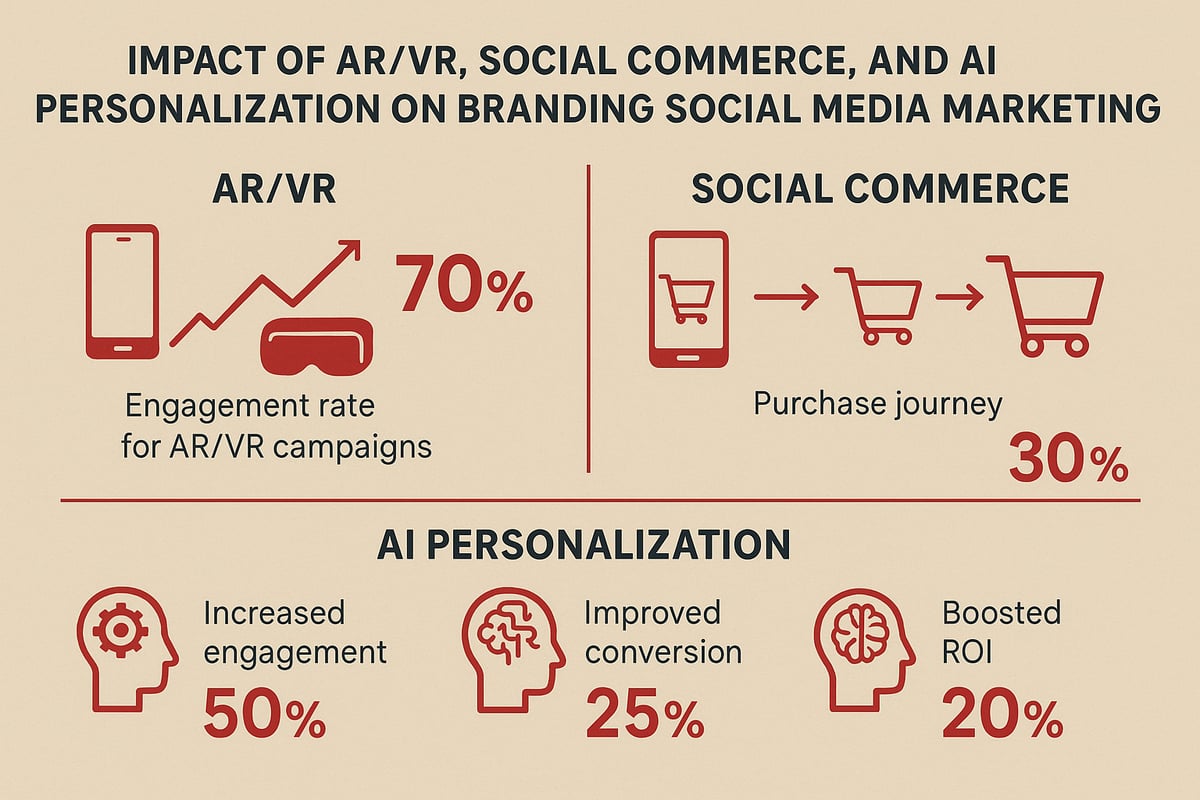
AR/VR and Immersive Experiences
In 2026, AR and VR technologies are revolutionizing branding social media marketing by enabling brands to create immersive, interactive experiences. Augmented reality filters and branded lenses are now commonplace on platforms like Instagram and TikTok, turning passive viewers into active participants. Brands use AR-powered try-ons for products like cosmetics, eyewear, and apparel, allowing users to visualize purchases in real time.
Virtual influencers, powered by advanced animation and AI, are also gaining traction. These digital personalities foster deep connections with niche audiences, driving engagement and trust. According to recent studies, brands leveraging AR campaigns see up to 70% higher engagement rates compared to traditional content. VR-powered events, such as product launches or branded virtual spaces, offer unique environments for storytelling and community building.
Maintaining authenticity remains a challenge, as users expect seamless and meaningful interactions. Brands leading in branding social media marketing focus on blending technology with genuine storytelling. For example, a major beauty brand launched an AR filter that let followers create custom looks, sparking user-generated content and boosting brand loyalty. As immersive tech adoption accelerates, brands must balance innovation with transparency to sustain trust.
Social Commerce and Shoppable Content
Social commerce is reshaping branding social media marketing by streamlining the path from discovery to purchase. Platforms like Instagram, Facebook, and TikTok have integrated shoppable posts, live shopping events, and in-app checkout experiences. This convergence of content and commerce empowers brands to showcase products within authentic social contexts, driving both engagement and sales.
Recent data shows that nearly 65% of Gen Z and Millennial users have made purchases directly through social platforms in the past year. Live shopping events, where influencers demonstrate products in real time, are driving significant conversion rates. Brands are also experimenting with interactive polls, quizzes, and gamified shopping experiences to personalize the journey and foster community.
To succeed in branding social media marketing, brands must ensure shoppable content aligns with their core values and visual identity. Privacy and data security are increasingly important, with consumers favoring brands that prioritize ethical data usage. For example, a leading apparel brand integrated shoppable videos with sustainability messaging, resulting in higher trust scores and repeat purchases. The seamless fusion of commerce and content is now essential for brands aiming to stay ahead.
AI-Powered Personalization
Artificial intelligence is a game changer for branding social media marketing, enabling brands to deliver hyper-personalized content at scale. AI tools analyze user behavior, preferences, and sentiment in real time, allowing brands to tailor messaging, recommend products, and optimize campaign timing for each individual.
The impact is clear: brands using AI-powered personalization report up to 30% higher conversion rates and improved customer satisfaction. From dynamic creative optimization to chatbot-driven customer service, AI ensures every interaction feels relevant and timely. For a deeper dive into how AI is transforming social marketing, explore AI's Impact on Social Media Marketing.
As AI adoption grows, brands must stay vigilant about data privacy and transparency. By leveraging these tools responsibly, marketers can forge deeper connections and drive measurable results in branding social media marketing.
Measuring ROI and Optimizing Your Branding Efforts
Measuring the return on investment (ROI) of branding social media marketing is essential for long-term success. As brands invest more in digital presence, understanding which efforts drive results is key to optimizing strategy and budget allocation.
To maximize impact, marketers must track a range of metrics that show both reach and resonance. These include not only likes and shares but also deeper indicators of brand health and business growth.
Tools and Dashboards for Branding Analytics
Selecting the right analytics platforms is crucial for tracking branding social media marketing performance. Modern tools offer real-time data, customizable dashboards, and integrations with major social platforms.
Key Metrics to Monitor:
- Reach and impressions
- Engagement rates (likes, comments, shares)
- Brand sentiment analysis
- Share of voice
- Conversion rates
A quick comparison of top analytics tools:
| Tool | Key Features | Integrations | Reporting Strength |
|---|---|---|---|
| Sprout Social | Sentiment analysis, competitor tracking | Facebook, Instagram, Twitter | Custom dashboards |
| Emplifi | AI-driven insights, ROI benchmarks | Multi-platform | Advanced visualization |
| Hootsuite | Scheduling, basic analytics | Most major platforms | Easy-to-read reports |
According to the Emplifi's 2026 Social Media Marketing Report, brands leveraging advanced analytics saw up to 27% higher ROI compared to those using basic tracking. Real-time dashboards enable teams to pivot quickly, ensuring branding social media marketing efforts stay aligned with goals.
Interpreting Data and Making Strategic Adjustments
Once data is collected, the next step is to translate insights into action. Brands should use A/B testing to refine messaging, visuals, and posting times. This iterative approach helps pinpoint what resonates best with target audiences.
Steps for Data-Driven Optimization:
- Set clear KPIs based on business objectives.
- Monitor performance weekly using dashboards.
- Conduct A/B tests on content formats and calls to action.
- Adjust strategy based on engagement and sentiment trends.
Social listening tools are invaluable for capturing brand mentions and gauging public perception. For example, when a leading retailer noticed declining sentiment after a campaign, they quickly adjusted their approach, resulting in a 15% boost in engagement the following month.
Benchmarks from 2026 show that brands investing in branding social media marketing experienced 2.5x faster audience growth. For actionable optimization tips, see Effective Social Media Marketing.
Consistently measuring, analyzing, and refining your branding social media marketing ensures your brand remains competitive and adaptable in a rapidly changing digital landscape.
Adapting to Future Trends: Staying Ahead in 2026 and Beyond
Navigating the future of branding social media marketing requires agility and anticipation. As platforms evolve and consumer values shift, brands must continuously adapt to new realities. In 2026, the landscape is shaped by inclusivity, sustainability, technological disruption, and the rise of decentralized platforms.
Staying ahead means recognizing key movements, embracing innovation, and building resilient communities. Below, we explore the essential strategies for future-proofing your branding social media marketing efforts.
Building Resilient Brand Communities
The foundation of branding social media marketing in 2026 is strong community engagement. With audiences seeking authentic connection, brands that foster interactive, inclusive spaces see measurable growth.
Recent studies show that 78% of consumers prefer brands that engage transparently and support social causes. This trend is fueling a shift toward values-driven content, where inclusivity and sustainability are more than buzzwords—they are core expectations.
Micro-influencers and passionate advocates play a pivotal role. Their smaller, engaged audiences can drive word-of-mouth and loyalty far more effectively than traditional celebrity endorsements. By empowering these voices, brands can amplify their message organically.
Key strategies for building resilient communities:
- Host regular live Q&A sessions or AMAs to encourage real-time interaction.
- Create branded hashtags and encourage user-generated content.
- Recognize and reward community members for their loyalty and advocacy.
Case in point: In 2026, several global brands have launched ambassador programs that prioritize diversity and social impact, resulting in a 25% increase in community-driven brand mentions.
Building resilient brand communities is not just a trend—it is the backbone of successful branding social media marketing.
Continuous Learning and Experimentation
The pace of change in branding social media marketing means yesterday’s tactics may not work tomorrow. Brands must adopt a mindset of continuous learning, testing, and adaptation to remain competitive.
Industry leaders recommend setting aside resources for experimentation with new platforms, content formats, and technologies. This includes leveraging AI-driven tools for real-time insights and content optimization. According to recent research, brands that regularly experiment with new features see up to 40% higher engagement rates.
Resources for staying updated include:
- Subscribing to reputable industry newsletters and attending webinars.
- Participating in online communities focused on emerging marketing trends.
- Monitoring academic studies, such as AI's Role in Social Media Content Creation, to understand the latest developments in generative AI and user behavior.
Establishing a culture of learning empowers teams to anticipate shifts and seize opportunities. Brands that invest in training and upskilling outperform competitors in both reach and relevance.
Preparing for Platform Disruption
Sudden changes—such as algorithm updates or the emergence of new networks—can disrupt even the best-laid branding social media marketing plans. To future-proof your strategy, flexibility is essential.
Practical tips include:
- Diversify your presence across several platforms.
- Build owned channels, like email lists or private communities.
- Monitor platform updates and adapt content formats quickly.
Brands that thrived during past disruptions were those that remained agile, embraced change, and prioritized audience needs over rigid routines. Preparing for disruption ensures your branding social media marketing remains strong, no matter what the future holds.
Now that you have a clear roadmap for building a standout brand on social media in 2026, it’s helpful to see these strategies brought to life. At Red Van Creative, we believe in the power of authentic branding and measurable results, just as discussed throughout this guide. If you’re curious how a holistic approach—combining strong visuals, consistent messaging, and innovative technology—translates into real-world success, you can explore our recent projects. Take a look at how we help brands connect with their audiences and grow sustainably by viewing our See Our Work / View Our Portfolio .