
In 2026, the digital world is more crowded and fast-paced than ever. Businesses face new challenges and fierce competition every day.
Success now depends on mastering web design and marketing services that deliver real, measurable results. This guide offers a clear path through the latest innovations and strategies shaping your online presence.
Inside, you will discover emerging trends, essential website features, integrated marketing tactics, expert tips for choosing providers, and actionable advice to keep your brand ahead. The stakes are high, but with the right knowledge, you can engage more customers, drive conversions, and boost your ROI. Use this essential guide to make informed choices and lead your business confidently into 2026.
The Evolving Landscape of Web Design and Marketing in 2026
The world of web design and marketing services is transforming rapidly as we approach 2026. Businesses must adapt to stay visible and competitive. Understanding the latest trends and strategies is crucial for anyone aiming to build a strong online presence.
Key Trends Shaping Web Design
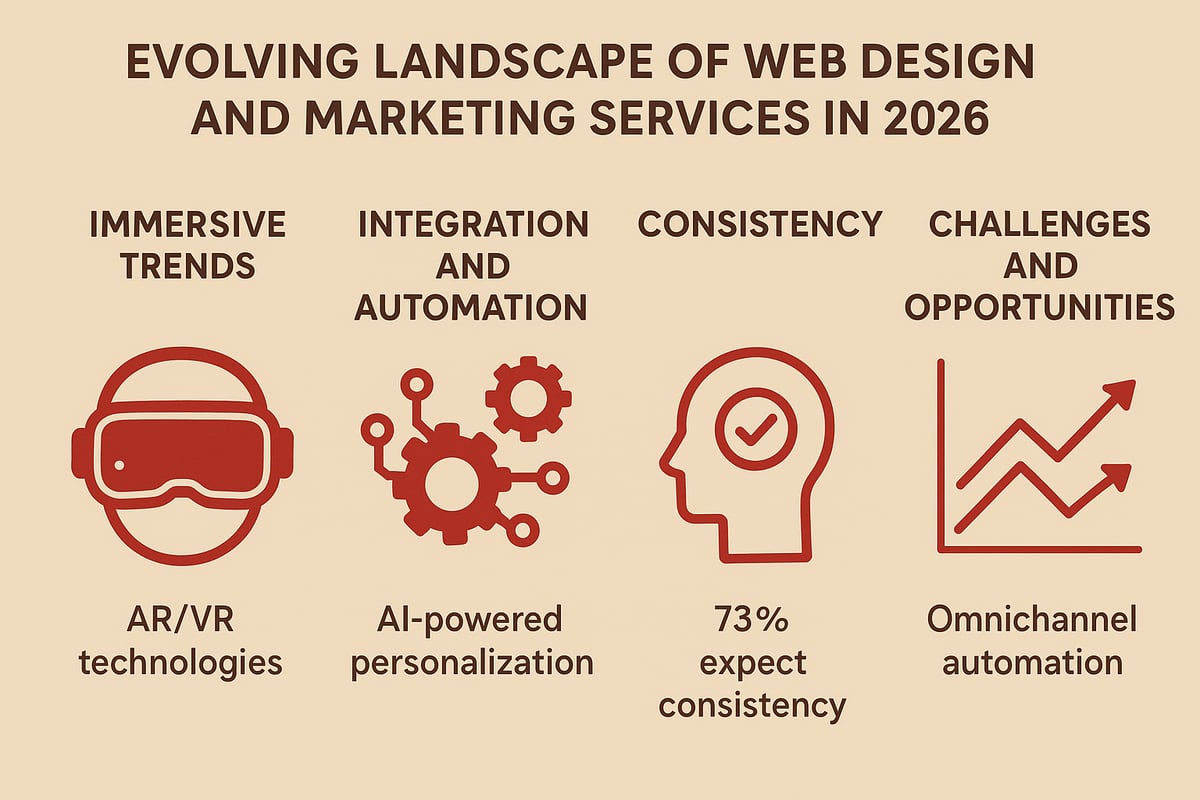
Web design and marketing services are now defined by immersive and interactive experiences. Augmented reality (AR) and virtual reality (VR) are no longer futuristic concepts—they are becoming mainstream for product previews and virtual showrooms.
Mobile-first and responsive design are baseline requirements, with users expecting flawless performance on any device. AI-powered personalization is another game-changer, delivering content tailored to individual user preferences. Accessibility and inclusivity are not just ethical obligations but legal imperatives for brands.
Data-driven design is the new norm, as analytics guide layout and content decisions. For example, top brands are deploying 3D product previews and voice navigation to create more engaging experiences.
Marketing Services: Integration and Automation
Modern web design and marketing services demand seamless integration across channels. Omnichannel marketing—spanning web, email, social, and print—creates a unified journey for customers. Marketing automation tools now power personalized outreach at scale, using AI-driven segmentation and predictive analytics.
Integration between offline and online campaigns is vital. Businesses are combining automated emails with direct mail to reach customers at multiple touchpoints. This convergence ensures that marketing efforts are both efficient and highly relevant, maximizing engagement and ROI.
The Importance of Unified Brand Experience
A consistent brand experience is essential for web design and marketing services to succeed. Customers expect seamless messaging across every digital and physical interaction. Brand storytelling sets companies apart in crowded markets, while visual identity and packaging boost recognition.
According to industry data, 73% of consumers expect a consistent experience across channels. To learn more about why this matters, see The Power of Brand Consistency. Strong brands leverage cohesive visuals, messaging, and collateral to build trust and loyalty.
Challenges and Opportunities in 2026
Navigating the ever-changing landscape of web design and marketing services presents both hurdles and openings. Rapid technological advances and rising customer expectations can be daunting. However, businesses that balance innovation with usability and accessibility can capture significant market share as early adopters.
Essential Features of High-Performing Websites in 2026
Building a high-impact digital presence in 2026 requires more than visual appeal. The most successful sites combine usability, security, personalization, and seamless integration to support your business objectives and marketing efforts.
User Experience (UX) and Accessibility
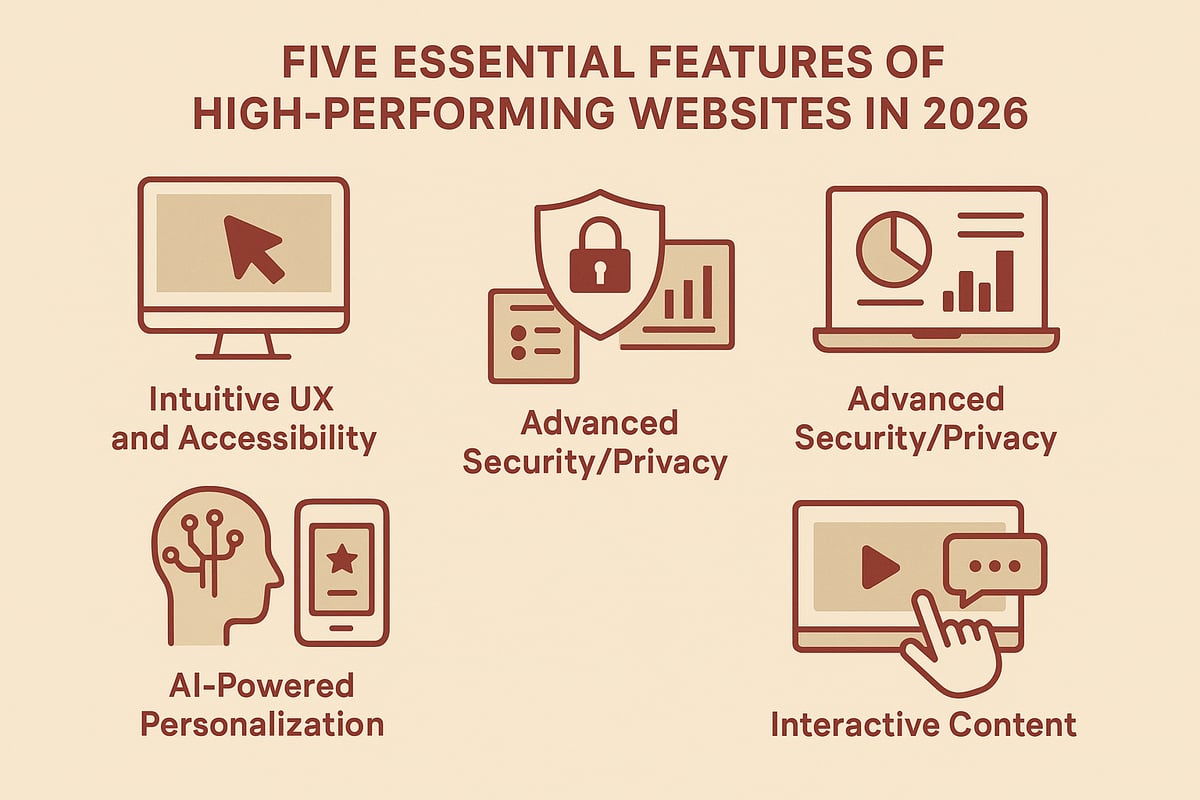
User experience remains at the core of effective web design and marketing services. Sites must offer intuitive navigation, fast load times, and layouts that adapt seamlessly to any device. Accessibility is not just a best practice, it is a legal and brand necessity. ADA-compliant design ensures users of all abilities can interact with your content.
Personalized content and dynamic interfaces create engaging experiences that drive conversions. Leading retailers, for instance, have seen measurable sales growth by investing in mobile-optimized, accessible websites. For more in-depth insights on best practices, explore the Dos and Don’ts of Website Design to avoid common pitfalls and maximize site performance.
Advanced Security and Privacy Standards
Security and privacy are non-negotiable for high-performing sites. Multi-factor authentication and end-to-end encryption safeguard user data. Compliance with global privacy regulations such as GDPR and CCPA builds trust. Displaying SSL certificates and privacy badges further reassures visitors, signaling your commitment to security.
AI, Automation, and Personalization Tools
Artificial intelligence is transforming how web design and marketing services deliver value. AI chatbots now provide instant customer support, improving response times and satisfaction. Smart content recommendations, tailored to user behavior, increase engagement and retention.
Automated scheduling and booking integrations streamline the user journey, especially for service-based businesses. Many organizations report higher conversion rates after adopting AI-powered booking and personalized experiences, making these tools essential in today’s digital marketplace.
Integration with Marketing and Analytics Platforms
Seamless integration with marketing and analytics platforms is a must for modern websites. Connecting Google Analytics 5, heatmapping tools, and CRM systems allows for comprehensive tracking and data-driven insights. Real-time reporting dashboards empower teams to monitor performance and make informed adjustments, optimizing campaigns for measurable results.
Visual and Interactive Content
High-performing websites captivate visitors through rich, interactive content. Embedded video, AR product demos, and interactive infographics set brands apart in competitive markets. Utilizing impactful visuals not only boosts engagement but also reinforces unified messaging, a key advantage for businesses leveraging web design and marketing services effectively.
Building a Winning Digital Marketing Strategy
A successful digital marketing strategy in 2026 is more than just a collection of tactics. It is an integrated roadmap that aligns your brand, website, and customer journey for measurable business growth. By leveraging the latest web design and marketing services, businesses can adapt to shifting expectations and outperform the competition.
Core Components of Modern Marketing Services
Modern web design and marketing services include a robust mix of organic and paid channels. Businesses should focus on search engine optimization tailored for 2026 algorithms, which prioritize user experience and authoritative content. Paid advertising, such as PPC and social ads, delivers targeted visibility, while retargeting helps recapture interested visitors.
Content marketing remains vital, encompassing blogs, whitepapers, and engaging video content to educate and inspire audiences. Email and SMS automation enable timely, personalized outreach, increasing engagement and retention. Social media management, including influencer partnerships, amplifies reach and fosters trust.
| Channel | Purpose | Tools/Formats |
|---|---|---|
| SEO | Organic visibility | Blogs, On-page SEO |
| PPC/Social Ads | Paid acquisition | Google Ads, Meta Ads |
| Content | Education/engagement | Video, Whitepapers |
| Email/SMS | Retention/sales | Automation platforms |
| Social Media | Community building | Influencers, Stories |
By integrating these channels, web design and marketing services create a multi-faceted approach to growth.
Developing a Holistic, Omnichannel Approach
A holistic strategy maps the entire customer journey, reaching users at every touchpoint, whether online or offline. The most effective web design and marketing services align messaging and timing across web, email, social, and even print, ensuring a seamless experience.
For example, retailers now use direct mail to reinforce digital campaigns, boosting recall and conversions. Businesses that unify print and digital efforts see higher engagement, as customers receive consistent messages wherever they interact. To dive deeper into actionable tactics, explore Creative Marketing Strategies for Local Business, which highlights real-world omnichannel success.
This unified approach ensures your web design and marketing services support a consistent, memorable brand presence.
Data-Driven Decision Making and Measurement
Success in 2026 depends on data-driven strategies. Setting clear KPIs—such as traffic, engagement, conversions, and ROI—provides direction and accountability for web design and marketing services. Advanced attribution models help you understand how each channel contributes to results, not just last-click conversions.
Leverage real-time analytics to monitor campaigns and make informed adjustments on the fly. Use tools like heatmaps, CRM integrations, and reporting dashboards to visualize performance. This analytical approach empowers teams to optimize spend, refine messaging, and maximize returns from web design and marketing services.
- Key KPIs to track:
- Website traffic and bounce rate
- Conversion rate by channel
- Customer lifetime value
- Return on ad spend
Regular measurement and optimization drive lasting success.
Personalization and Customer Experience
Personalization is the cornerstone of modern web design and marketing services. Dynamic content and tailored offers speak directly to user segments, increasing relevance and engagement. AI-driven product recommendations further enhance the experience, guiding visitors to what matters most.
Industry data shows that personalized marketing yields 20 percent higher conversion rates, proving the value of individualized campaigns. Businesses that prioritize personalization within their web design and marketing services see not only better results, but deeper customer loyalty.
Red Van Creative: Holistic Web Design & Marketing Solutions
Red Van Creative delivers integrated web design, SEO, branding, and targeted advertising for businesses seeking measurable results. With over 25 years of cross-industry expertise, they offer flexible engagement models and a relationship-driven philosophy.
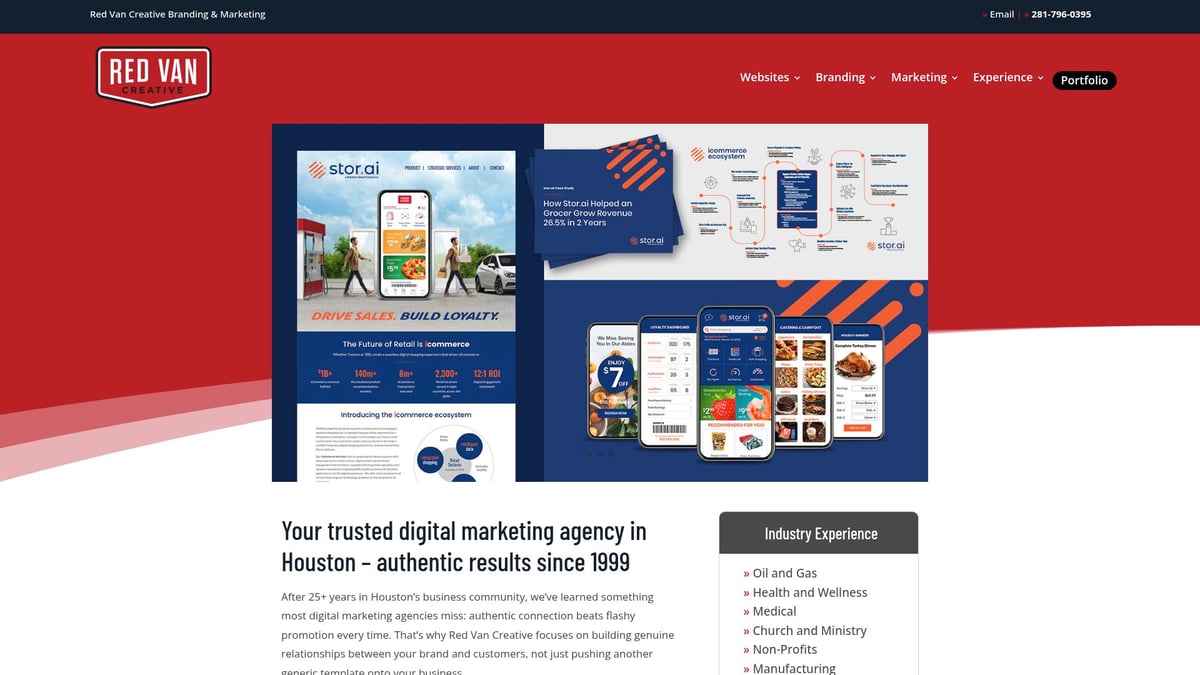
Their full-service approach ensures consistent messaging across digital and print, blending creative design with data-driven marketing for authentic, lasting impact. Businesses benefit from their commitment to transparency, local connection, and real outcomes.
How to Choose the Right Web Design and Marketing Service Provider
Choosing the right web design and marketing services provider can shape your business trajectory for years. The process requires careful evaluation, strategic questioning, and attention to both measurable outcomes and cultural fit.
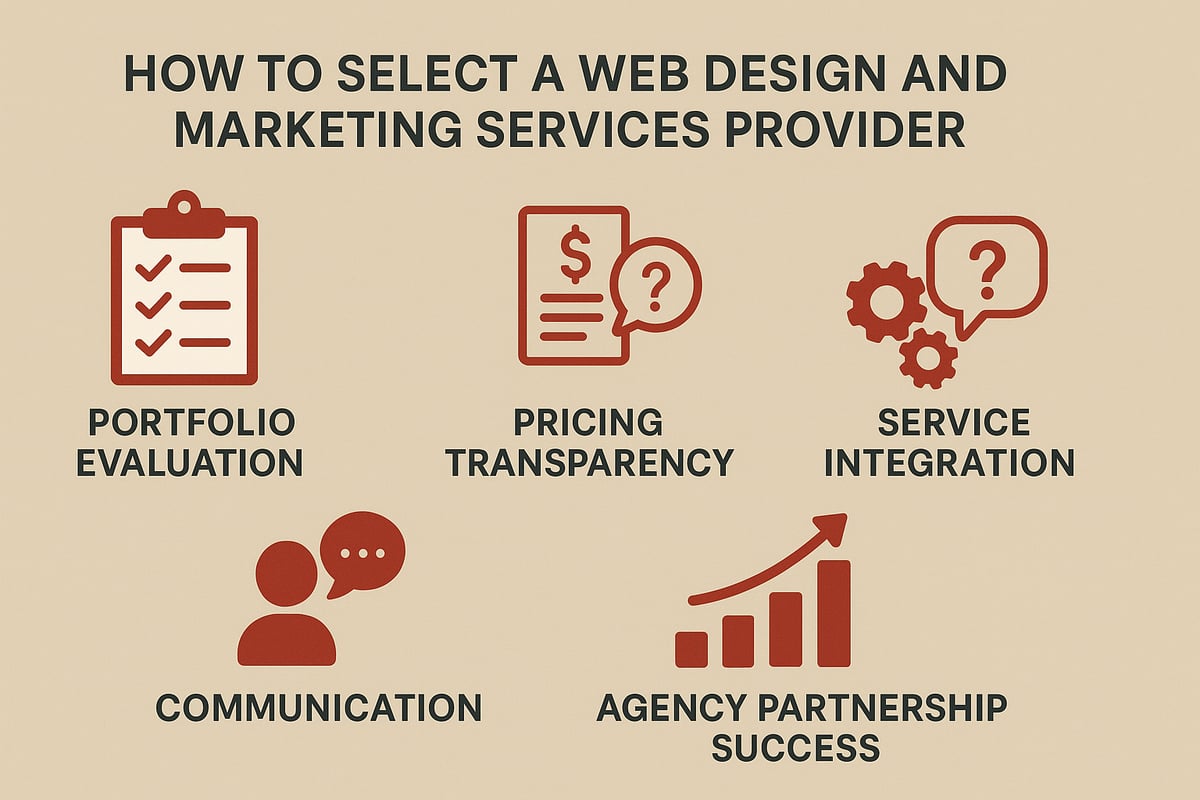
Key Criteria for Selecting a Partner
When comparing web design and marketing services, focus on proven experience and a strong portfolio in your industry. Look for transparent pricing, flexible engagement models, and comprehensive offerings—design, SEO, content, and automation should all be available under one roof.
Communication and project management are just as critical. A reliable provider will guide you through every phase and adapt to your needs. Integrated agencies, like those that offer website design, branding, and marketing as a unified service, help ensure your messaging and visual identity remain consistent across all platforms.
Questions to Ask Potential Agencies
Before committing, ask targeted questions to assess fit and expertise with web design and marketing services:
- What is your process for learning our unique business goals?
- How do you ensure our messaging stays consistent across all channels?
- Can you share case studies or references from clients in similar industries?
- What analytics and reporting tools do you use to measure performance?
These questions help clarify an agency’s approach and transparency, and set the stage for a productive partnership.
Red Flags and Common Pitfalls to Avoid
Be wary of web design and marketing services that promise unrealistic results or rely on generic, template-based solutions.
Watch for a lack of pricing transparency or unclear deliverables. Slow response times and poor communication are also signals that a provider may not prioritize your business goals.
Example: Successful Agency Partnerships
Consider a healthcare provider who saw a 40 percent increase in patient inquiries after partnering with a specialized web design and marketing services agency. The agency’s tailored website redesign and integrated marketing campaign drove measurable growth and enhanced patient engagement.
Evaluating ROI and Long-Term Fit
Set clear expectations for deliverables and performance metrics before you begin. Assess whether the agency’s culture and strategic vision align with your own for a lasting relationship.
A long-term fit with your web design and marketing services provider ensures consistent brand growth and adaptability in a changing digital landscape.
Future-Proofing Your Web Design and Marketing Strategy
Staying ahead in web design and marketing services means anticipating shifts in technology, user behavior, and industry standards. Businesses that embrace innovation and adaptability now will be best positioned to thrive as the digital landscape evolves.
Embracing Emerging Technologies
Innovation is transforming web design and marketing services. AI-generated content, AR/VR product demos, and conversational interfaces are rapidly becoming mainstream. Companies that integrate these advances create more engaging and personalized digital experiences.
According to Web Design Trends 2026, micro-animations, responsive layouts, and tailored content are defining features of the future web. Adopting these trends ensures your website remains visually appealing and highly interactive, setting your brand apart from competitors.
Continuous Optimization and Adaptation
To maintain peak performance, businesses must routinely audit their sites and strategies. This means regular UX testing, updating SEO and content plans, and leveraging analytics for real-time improvements.
AI-driven tools, such as those explored in the LLM-Generated Ads Study, enable more precise personalization and campaign optimization. By integrating these innovations, your web design and marketing services can respond quickly to user feedback and changing market dynamics.
Sustainability and Ethical Marketing
Consumers increasingly value brands that prioritize sustainability and ethical practices. Employing eco-friendly web hosting, minimizing digital waste, and adopting transparent privacy policies help build trust.
Ethical marketing also means using data responsibly and communicating openly about how customer information is handled. These steps not only future-proof your web design and marketing services but also strengthen your brand’s reputation.
Upskilling Your Team and Staying Informed
Continuous learning is essential in a fast-moving industry. Invest in regular training for your marketing and design teams to keep skills sharp and up to date.
Encourage staff to attend webinars, follow thought leaders, and participate in industry conferences. By fostering a culture of growth, your organization ensures its web design and marketing services remain cutting-edge and competitive.
Building Resilience in a Rapidly Changing Market
Diversification is key to reducing risk. Expand your marketing channels, experiment with new tactics, and encourage innovation at every level.
Building agility into your processes allows you to pivot quickly in response to industry shifts. By prioritizing resilience, your web design and marketing services will adapt and succeed in any environment.
As you explore the essential strategies for web design and marketing in 2026, it helps to see real-world examples in action. Seeing how a holistic approach—combining creativity, smart technology, and authentic branding—translates into measurable results can inspire your next steps. If you are curious about how these principles come to life across industries like healthcare, construction, or retail, I invite you to See Our Work / View Our Portfolio. This is a great way to envision what’s possible for your brand and start building a more impactful digital presence.