In 2026, social media marketing and design are at the forefront of digital transformation, redefining how brands connect with audiences and drive meaningful results. The digital landscape now demands a seamless blend of creative visuals and strategic marketing to capture attention and foster engagement.
This essential guide explores proven tactics, innovative tools, and design principles that empower marketers, business owners, and designers alike. You will discover how to build cohesive campaigns, strengthen your brand identity, and stay ahead in a rapidly evolving space.
Ready to unlock the synergy between marketing and design? Dive in for step-by-step strategies, platform-specific insights, and future-ready techniques to elevate your social presence.
The 2026 Landscape: Why Social Media Marketing and Design Matter More Than Ever
In 2026, the digital world is defined by rapid evolution and intense competition. Social media marketing and design have become the heartbeat of brand visibility, dictating how businesses interact with audiences and stand out in crowded feeds.
The explosion of social platforms has transformed user expectations and habits. New networks continue to emerge, each catering to unique communities and content styles. Audiences are now more fragmented, yet more engaged than ever, spending significant time interacting with brands through stories, reels, and live broadcasts. This shift has made social media marketing and design an essential focus for businesses aiming to capture attention and remain relevant.
Visual-first networks like Instagram, TikTok, and Pinterest dominate the landscape, setting the standard for immersive, story-driven content. Brands that excel on these platforms prioritize creative visuals, motion graphics, and short-form video to spark emotional connections. The rise of these channels has redefined what effective social media marketing and design look like, putting storytelling and aesthetics at the core of every campaign.
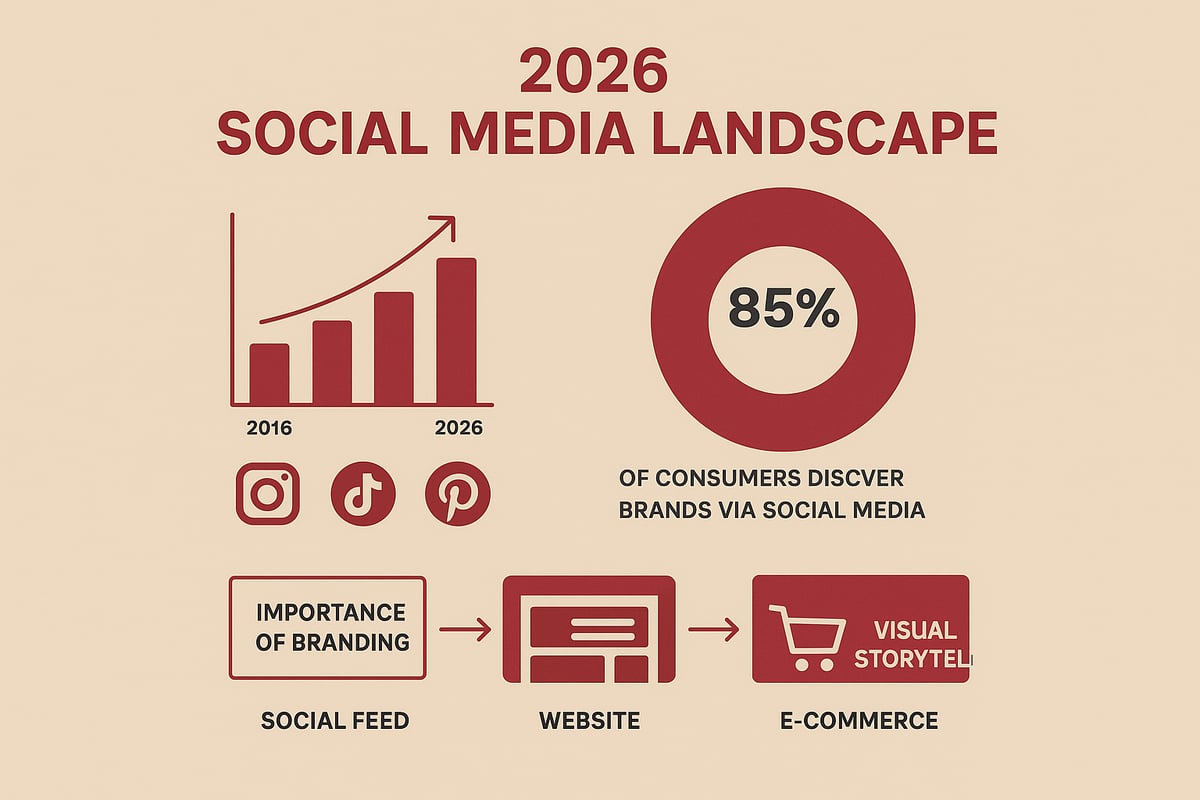
Recent data reveals a striking trend: over 85% of consumers now discover brands via social media before they ever visit a company’s website. This statistic underscores the need for brands to optimize their social presence not just for reach, but for genuine engagement. For a deeper dive into user behavior and platform growth, consult these social media usage statistics and growth in 2025, which highlight how discovery patterns continue to evolve.
The omnichannel journey is now the norm. Users move seamlessly from social feeds to websites, e-commerce platforms, and back again. Social media marketing and design must create a consistent experience across every touchpoint, guiding users effortlessly from inspiration to action. This integrated approach ensures messaging, visuals, and calls to action remain aligned, reducing friction and boosting conversion rates.
Design has taken center stage as a driver of recognition, trust, and loyalty. In 2026, consumers expect polished, thoughtful visuals that reflect a brand’s identity and values. High-quality graphics, cohesive color schemes, and accessible layouts help brands establish credibility instantly. Social media marketing and design strategies that prioritize user experience and inclusivity see measurable gains in both engagement and brand sentiment.
Social media algorithms have also grown more sophisticated. Platforms now reward content that is not only visually appealing but also interactive and highly relevant. Unified branding across all digital channels is no longer optional. Brands with consistent visual and messaging frameworks perform better in feed rankings, amplifying their reach and influence. This reinforces the need for social media marketing and design to work in tandem, ensuring every asset reinforces the brand story.
A leading retail brand recently adopted an integrated social design strategy, unifying their visuals and messaging across Instagram, TikTok, and their website. As a result, their engagement rates soared by 40%, and their community grew more loyal and active. This success story demonstrates the tangible impact of coordinated social media marketing and design—when executed well, it transforms passive followers into passionate brand advocates.
Foundations of a Winning Social Media Marketing and Design Strategy
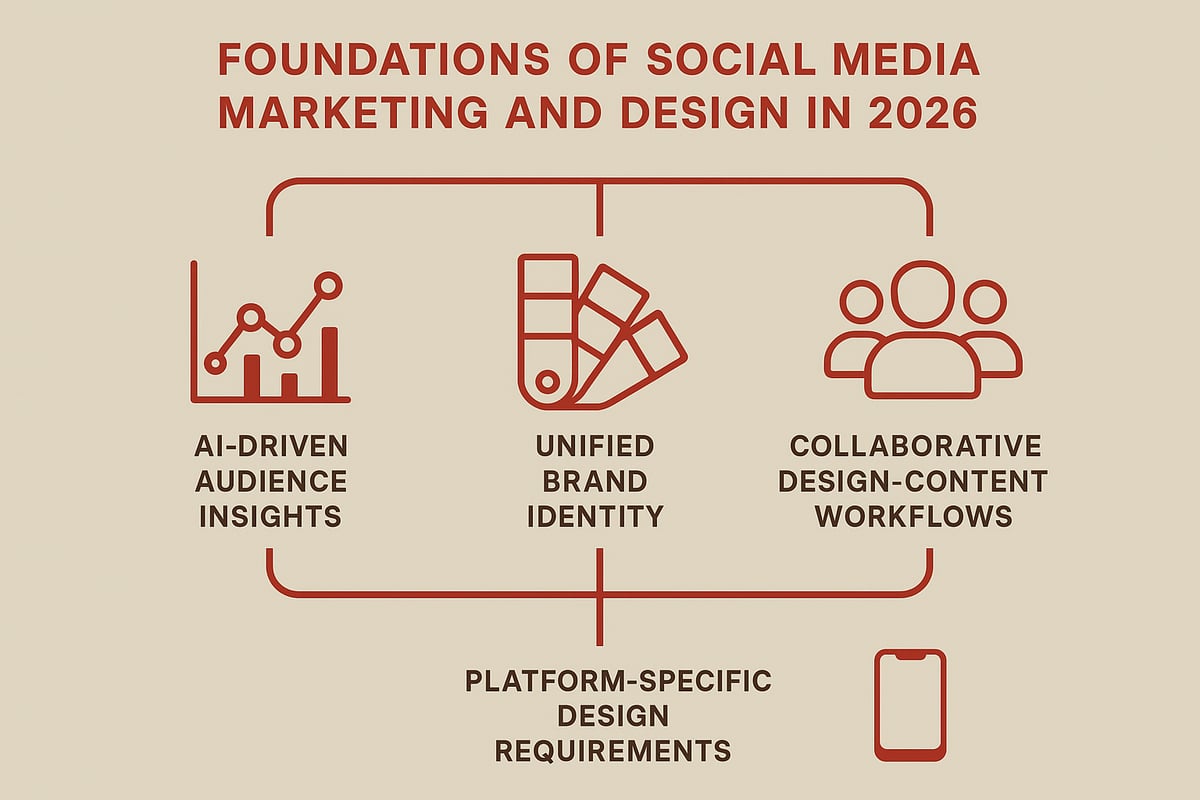
A robust foundation is essential for any successful social media marketing and design initiative in 2026. Brands must blend data-driven insights, cohesive branding, and creative execution to stand out in a crowded digital landscape. Let’s break down the core pillars that drive high-performing strategies.
Understanding Your Audience in 2026
Knowing your audience is the cornerstone of effective social media marketing and design. In 2026, brands leverage advanced AI-driven analytics to uncover hyper-specific audience insights. These tools break down users into demographic, psychographic, and behavioral segments, allowing for precision targeting.
Personalization has evolved. Instead of static personas, brands now create dynamic audience clusters that change in real time based on user interactions. This shift empowers marketers to craft content and design assets tailored to each segment’s preferences.
For example, leading companies use audience data to develop adaptable visual assets, ensuring each campaign resonates with its intended viewers. Accessibility and inclusivity have also become non-negotiable. Designs must accommodate all users, from color-blind individuals to those using assistive technologies.
By aligning social media marketing and design with deep audience understanding, brands can foster stronger connections and drive meaningful engagement.
Building a Cohesive Brand Identity Across Platforms
A unified brand presence is critical for social media marketing and design success. Consistency in color palettes, typography, and visual motifs reinforces brand recognition and trust across every channel.
Crafting a cohesive voice and messaging strategy ensures your brand speaks with authority and clarity. However, adapting assets for each platform’s unique requirements is equally important. For instance, Instagram favors square visuals, while TikTok thrives on vertical videos and LinkedIn prefers professional imagery.
Consider this simple table summarizing key branding elements:
| Branding Element | Why It Matters | Platform Adaptation |
|---|---|---|
| Color Palette | Drives recognition and emotion | Adjust for platform UI |
| Typography | Maintains professionalism and tone | Ensure mobile readability |
| Visual Motifs | Reinforces consistency | Adapt for aspect ratios |
| Messaging | Builds trust and authenticity | Tailor to platform voice |
A real-world case study shows how a retail brand achieved success by building a cross-platform visual identity that improved engagement metrics. Clear brand guidelines, shared with internal and external teams, streamline content creation and maintain alignment.
For more insights on unified branding, explore The power of brand consistency, which details how consistent branding fuels trust and performance in digital spaces.
Integrating Design and Content for Maximum Impact
Collaboration sits at the heart of high-impact social media marketing and design strategies. Designers, marketers, and content creators must work together, blending creative aesthetics with conversion-driven goals.
Balance is key. While eye-catching visuals attract attention, conversion-focused design elements such as clear calls-to-action and concise messaging drive results. Storytelling is elevated through diverse visual formats: video, animation, and interactive infographics all play a role.
A standout example is brands that launch infographic campaigns, sparking viral sharing and elevating brand awareness. Micro-content—such as animated posts or interactive polls—further boosts engagement by inviting participation.
By merging design and content seamlessly, social media marketing and design campaigns become memorable, persuasive, and effective.
Platform-Specific Design Considerations
Every platform has its own design language and user expectations. Social media marketing and design strategies must account for these nuances to maximize reach and engagement.
Key differences include:
- Facebook: Versatile content, strong community features
- Instagram: Visual-first, Stories, and Reels
- TikTok: Dynamic video, trending challenges
- LinkedIn: Professional tone, informative graphics
- X: Concise messaging, real-time updates
- Pinterest: Inspiration boards, vertical images
- Threads: Conversational, quick updates
Responsive design is essential, as 95 percent of users access social platforms via mobile devices in 2026. Leveraging platform-native features—like Stories, Reels, and Carousels—ensures your social media marketing and design efforts align with user habits and platform algorithms.
By embracing these tailored approaches, brands can deliver cohesive yet flexible campaigns that resonate everywhere their audiences spend time.
Step-by-Step: Creating High-Impact Social Media Campaigns in 2026
Launching a successful campaign in 2026 requires a clear, data-driven process. By integrating social media marketing and design at every stage, brands can maximize reach, engagement, and ROI. Follow these six essential steps to build campaigns that stand out and convert.
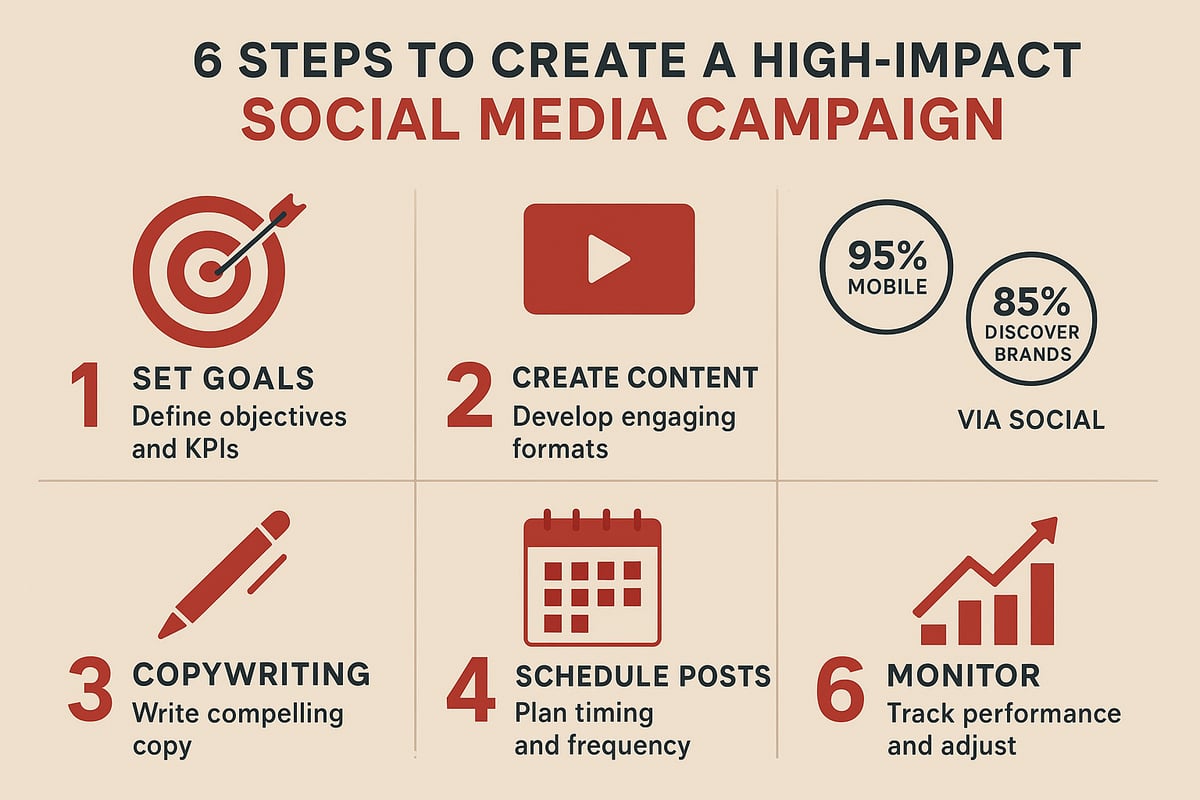
Step 1: Setting Clear Goals and KPIs
Start by defining what you want your campaign to achieve. Are you aiming for brand awareness, deeper engagement, higher conversions, or stronger retention?
Select key performance indicators (KPIs) that align with your objectives. Metrics like click-through rate (CTR), reach, shares, saves, and conversions help measure progress. Connecting these KPIs to your business outcomes ensures your social media marketing and design efforts deliver real value.
Set specific, measurable, attainable, relevant, and time-bound (SMART) goals. This clarity guides every creative and strategic decision throughout your campaign.
Step 2: Crafting Compelling Visual Content
In 2026, social media marketing and design thrive on innovation. Embrace trends such as augmented reality (AR) and virtual reality (VR) assets, dynamic video content, and shoppable posts. These formats capture attention and drive interaction.
Leverage AI-powered design tools to streamline content creation. Combine branded templates with authentic user-generated content for a balanced, trustworthy presence. For example, campaigns using AR filters during product launches see significantly higher engagement.
Remember, consistency in visuals supports brand recognition. By integrating Creative web and social strategies, you can ensure your visual content is both engaging and cohesive across all touchpoints.
Step 3: Writing Persuasive Copy for Social Platforms
Effective copywriting is crucial for social media marketing and design. Tailor your approach based on platform and audience. Short-form copy works well for TikTok and Instagram Reels, while longer posts may suit LinkedIn.
Use storytelling to connect emotionally, and include strong calls to action (CTAs) to prompt engagement. Hashtags increase discoverability, but focus on relevance over quantity. Adjust your language and tone to match each social network’s culture.
Step 4: Scheduling, Publishing, and Managing Content
Timing matters for campaign success. Analyze platform data to identify the best posting times for your audience in 2026. Automation tools enable efficient scheduling, freeing up resources for strategy and engagement.
Real-time community management is vital. Respond quickly to comments and messages to foster loyalty. Be prepared with a crisis response plan to protect your brand during unexpected events. This operational layer keeps your social media marketing and design efforts consistent and effective.
Step 5: Amplifying Reach with Paid Social and Influencer Partnerships
Expand your reach with targeted paid advertising and influencer collaborations. Advanced ad formats, like interactive carousels and shoppable stories, deliver results when combined with precise audience targeting.
Partner with micro and nano influencers for authentic endorsements. Track influencer performance using metrics such as engagement rate and conversion impact. Authenticity is key to building trust through social media marketing and design partnerships.
Step 6: Monitoring, Measuring, and Optimizing Performance
Continuous monitoring ensures your campaigns stay effective. Use real-time analytics dashboards to track performance across all platforms. A/B test different creative elements and messages to optimize results.
Iterate based on data. Regularly update your approach to reflect what resonates most with your audience. This feedback loop is essential for refining your social media marketing and design strategy, driving ongoing growth and improvement.
The Synergy Between Website Design and Social Media Marketing
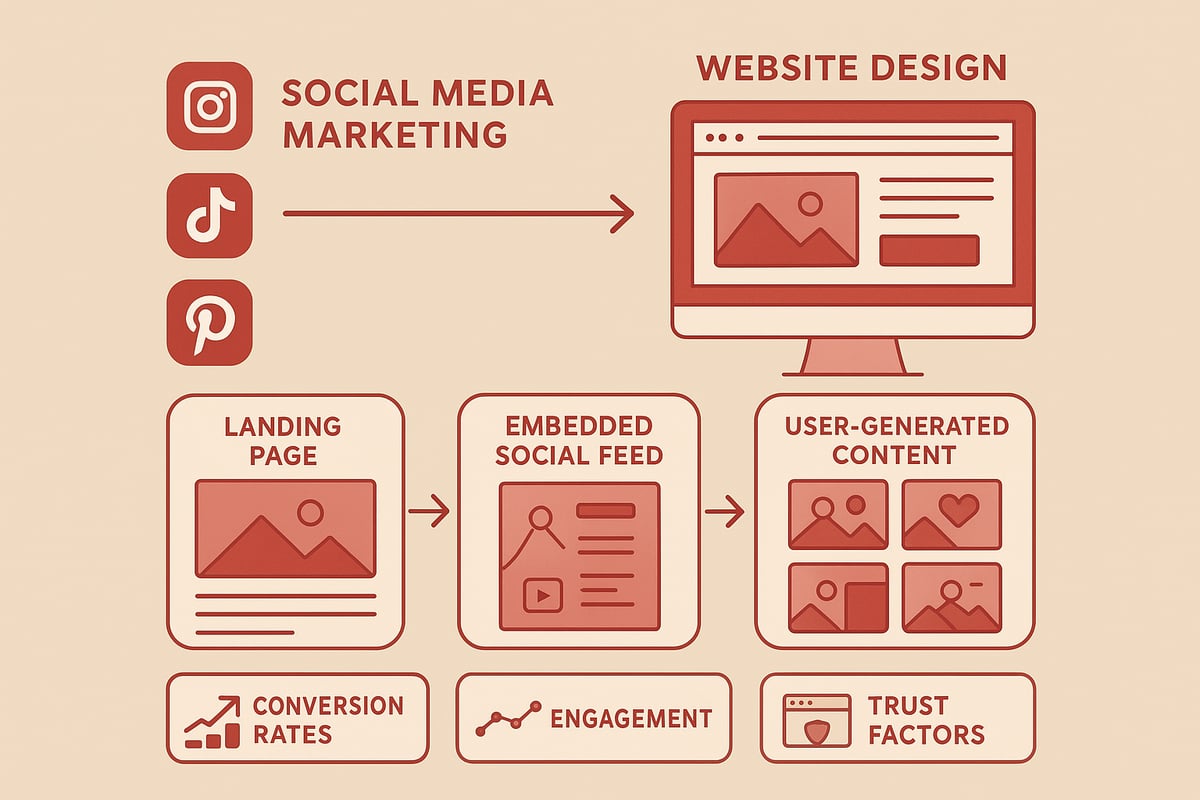
A high-performing digital strategy in 2026 relies on flawless synergy between social media marketing and design. These elements work together to guide users from social feeds to branded websites, building trust, driving conversions, and advancing business goals. Understanding this partnership is essential for anyone aiming to maximize their online presence.
Creating Seamless User Journeys from Social to Website
Bridging the gap between social channels and websites is fundamental to effective social media marketing and design. Brands must ensure that users who click from a social post land on pages that feel familiar, visually consistent, and tailored to their expectations.
Designing dedicated landing pages for social campaigns increases relevance and reduces friction. Use consistent color palettes, typography, and messaging to reinforce brand identity. Incorporate elements like one-click checkout or social login options to streamline the conversion process.
Consider this user journey:
| Step | Social Touchpoint | Website Experience |
|---|---|---|
| Discovery | Instagram Reel | Campaign landing page with matching visuals |
| Engagement | TikTok Story | Interactive quiz or AR demo |
| Conversion | Pinterest Pin | One-click checkout, product showcase |
Social-driven microsites are also gaining popularity. These focused web pages, designed specifically for campaign traffic, deliver a cohesive experience and measurable results. When every interaction is seamless, trust grows, and conversion rates climb, highlighting the power of integrated social media marketing and design.
Leveraging Social Proof and User-Generated Content in Web Design
Integrating social proof into your web experience is a proven way to amplify the results of social media marketing and design. Embedding live social feeds, customer reviews, and testimonials directly onto your site creates an authentic atmosphere that resonates with visitors.
Showcasing user-generated content, such as real customer photos or stories, boosts credibility and encourages new users to engage. Data shows that sites featuring user-generated content see a 29% increase in conversions. By spotlighting positive social interactions, brands foster trust and strengthen the impact of their social media marketing and design efforts.
Optimizing for SEO and Cross-Channel Visibility
Success in 2026 demands that social media marketing and design strategies also support search engine optimization and visibility across platforms. Social signals, like shares and engagement, influence search rankings, making it vital to optimize both content and design for discoverability.
Implementing structured data and Open Graph tags enhances shareability and ensures content appears attractively on every social platform. Collaborating with professionals who understand creative UI and UX design can further boost engagement and cross-channel reach. Viral social content often earns valuable backlinks, driving higher traffic from both social and search.
Case Study: Unified Social and Web Strategy for Brand Growth
Consider a retail brand that integrated its social media marketing and design with website optimization. The brand launched a campaign featuring interactive Instagram Stories, a dedicated microsite, and embedded user reviews. The result was a 30% increase in site traffic, a 40% boost in engagement, and a measurable uplift in conversions.
Key lessons included the importance of aligning social content with landing page design, responding to real-time feedback, and continually optimizing assets based on data. This holistic approach to social media marketing and design demonstrates how unified strategies translate directly to business growth and lasting brand loyalty.
Advanced Tools, Technologies, and Trends Shaping Social Media Marketing and Design
The landscape of social media marketing and design in 2026 is being transformed by a wave of innovative tools and technologies. Brands must stay agile and informed to harness these advancements for maximum impact. Let us explore the leading-edge trends shaping the future of digital engagement.
AI and Automation in Creative Production
AI is revolutionizing social media marketing and design by automating time-consuming creative tasks. Generative AI tools now produce graphics, videos, and even copy tailored to target audiences in seconds. Marketers use AI to analyze engagement patterns and optimize content for every platform.
Automation streamlines content scheduling and personalization, reducing manual effort and speeding up campaign launches. Brands leverage AI-powered platforms to generate dynamic visuals that respond to real-time data, ensuring relevance and impact. For those looking to stay ahead, exploring the top graphic design trends in digital marketing for 2026 is essential for understanding how AI-driven visuals are setting new standards in creativity.
By adopting these technologies, teams can deliver consistent, high-quality assets across all touchpoints, boosting both efficiency and outcomes in social media marketing and design.
AR, VR, and Interactive Content Experiences
Immersive technologies like AR and VR are elevating social media marketing and design to new heights. Brands deploy AR filters, virtual try-ons, and 3D product demos to create memorable, hands-on experiences. These interactive elements drive engagement, allowing users to visualize products in their own environment or participate in gamified campaigns.
Polls, quizzes, and live Q&A sessions add another layer of interactivity, making audiences feel part of the brand story. Retailers, for example, are using AR to let shoppers preview products virtually, increasing confidence and conversions. As noted in digital marketing trends for 2026, the dominance of short-form, interactive videos is shaping how brands connect with audiences.
Integrating AR and VR into your social media marketing and design strategy ensures your content stands out and meets the evolving expectations of digital consumers.
Data Privacy and Ethical Design
As privacy regulations become stricter, ethical design is now central to social media marketing and design. Brands must prioritize transparency, providing clear consent options and safeguarding user data. This builds trust, which is crucial for audience retention and long-term loyalty.
Designers focus on creating interfaces that communicate privacy policies in plain language. Features like adjustable privacy settings and prominent opt-in buttons empower users. Marketers also refine targeting to comply with new standards, relying more on anonymized data and contextual signals.
By embracing ethical design, organizations demonstrate responsibility in their social media marketing and design efforts, fostering positive brand perception and reducing compliance risks.
Social Commerce and Shoppable Design
Social commerce is rapidly redefining how brands approach social media marketing and design. Platforms like Instagram and TikTok now offer seamless in-app purchases, allowing users to shop without leaving their feed. Shoppable posts, product catalogs, and instant checkout flows are integrated directly into social experiences.
Designers tailor product imagery and calls-to-action for mobile screens, ensuring fast loading and intuitive navigation. Brands use analytics to track which visuals drive the most sales, constantly optimizing their approach. The fusion of commerce and content means every interaction can lead to conversion.
Social commerce is a vital component of social media marketing and design, turning engagement into measurable revenue.
Measuring ROI with Advanced Analytics
Proving the value of social media marketing and design requires sophisticated analytics. Multi-touch attribution models track the full customer journey, from first social impression to final purchase. Integrated dashboards combine data from social platforms and websites, offering a holistic view of campaign performance.
Predictive analytics tools help marketers forecast trends and allocate budgets more effectively. Real-time reporting enables rapid adjustments in creative, targeting, and spend, maximizing return on investment. By leveraging these measurement techniques, brands can fine-tune their strategies for ongoing success.
Advanced analytics ensure that every aspect of social media marketing and design is accountable, data-driven, and optimized for growth.
Best Practices and Actionable Tips for 2026 Success
Success in social media marketing and design in 2026 requires a blend of innovation, consistency, and agility. Adopting proven best practices will help your brand stand out and drive measurable results. Here are the most effective strategies to elevate your campaigns and ensure your brand remains ahead of the curve.
Design for Shareability and Engagement
Creating content that encourages interaction is vital for social media marketing and design. In 2026, brands must optimize every element for shareability. Use compelling visuals, concise copy, and strategic calls to action to boost engagement.
- Place social sharing buttons where users naturally pause, like at the end of stories or infographics.
- Optimize images and videos for fast loading and accessibility, ensuring all users can interact with your content.
- Encourage user participation through contests, polls, and interactive posts.
Recent research shows that global social media ad spend is at an all-time high, reflecting the growing competition for user attention. Referencing global social media ad spend growth, it’s clear that brands investing in visually engaging, shareable content see higher returns. Integrate user-generated content to foster trust and promote organic sharing. Remember, the foundation of success is a robust social media marketing and design approach tailored for engagement.
Maintaining Brand Consistency at Scale
As your brand grows, maintaining a unified presence becomes more complex. Social media marketing and design require scalable systems to ensure your identity stays intact across channels.
- Develop a comprehensive design system including color palettes, typography, and templates.
- Train internal and external teams on updated brand guidelines.
- Schedule regular audits to identify and correct inconsistencies in visuals or messaging.
If your team needs support, consider partnering with experts like Marketing firms, ad agency, graphic design in Houston for tailored solutions. Consistency builds recognition and trust, making your social media marketing and design more effective.
Cross-Channel Integration and Omnichannel Experiences
Coordinating your message across social, web, email, and offline channels creates a seamless customer journey. For effective social media marketing and design, unify campaign themes and assets.
- Use QR codes or NFC to bridge online and offline experiences.
- Synchronize launch dates and promotions across every platform.
- Track user interactions to personalize follow-up messaging.
A well-integrated approach ensures your audience receives a cohesive brand experience, regardless of where they engage.
Staying Ahead of Platform Algorithm Changes
Social platforms continually update their algorithms, influencing which content gains visibility. Staying informed is essential for social media marketing and design success.
- Monitor official platform updates and industry news.
- Diversify content types and platforms to spread risk.
- Test new features early to benefit from increased algorithm reach.
Adaptability allows your brand to maintain relevance and outperform competitors in a fast-changing landscape.
Team Collaboration and Workflow Optimization
Effective social media marketing and design depend on streamlined teamwork. Optimize your team’s workflow to increase speed and creativity.
- Implement agile processes for campaign planning and execution.
- Use cloud-based collaboration tools for sharing assets and feedback.
- Foster open communication and regular feedback loops.
Continuous improvement in collaboration leads to higher-quality campaigns and faster time to market.
As you explore the evolving landscape of social media marketing and design for 2026, you see how vital it is to blend creativity with strategy and consistency. At Red Van Creative, we’ve spent over 25 years helping brands like yours achieve measurable results by uniting strong design and authentic storytelling across every digital touchpoint. If you’re ready to see how an integrated approach can elevate your brand’s presence and create lasting connections, I invite you to take a look at real-world examples of our work.
See Our Work / View Our Portfolio