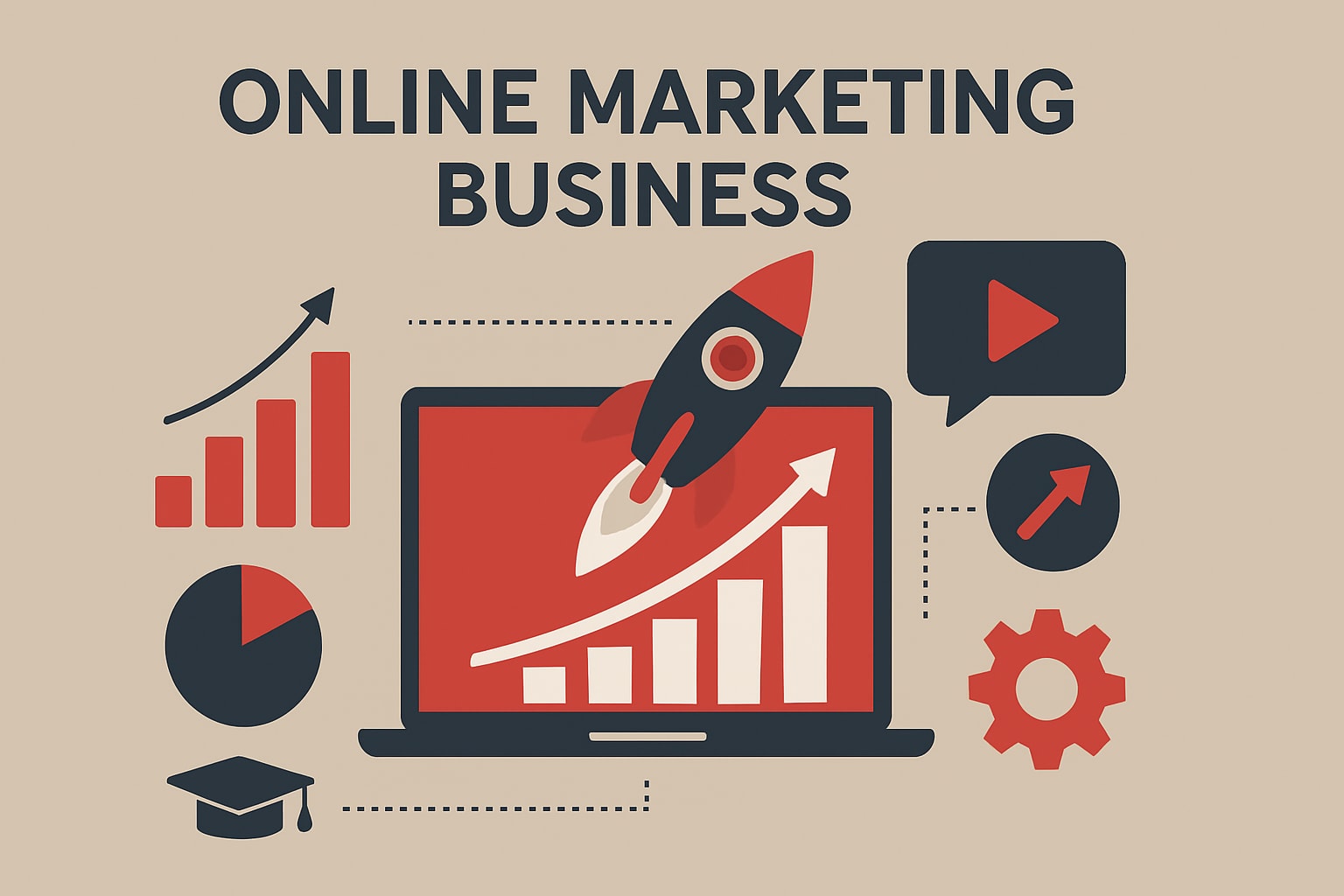
Online marketing is transforming at an unprecedented pace, creating new opportunities for growth as we approach 2026. The surge in digital-first businesses means having a robust online marketing business is no longer optional but essential for success.
Advances in technology, driven by AI and data analytics, are changing how brands reach and engage their audiences. Consumer behavior is shifting, demanding more personalized and seamless experiences.
This guide is designed as your roadmap for launching or scaling a thriving online marketing business in the evolving digital landscape. You’ll discover step-by-step strategies, expert insights, and future-proofing tactics to set you apart in the competitive market.
Understanding the Online Marketing Landscape in 2026
The online marketing business environment in 2026 is transforming rapidly, shaped by technology, consumer preferences, and regulatory shifts. To succeed, entrepreneurs and professionals must understand how this landscape has evolved, what trends are driving the industry, and where the best opportunities lie.
Evolution of Online Marketing: Past to Present
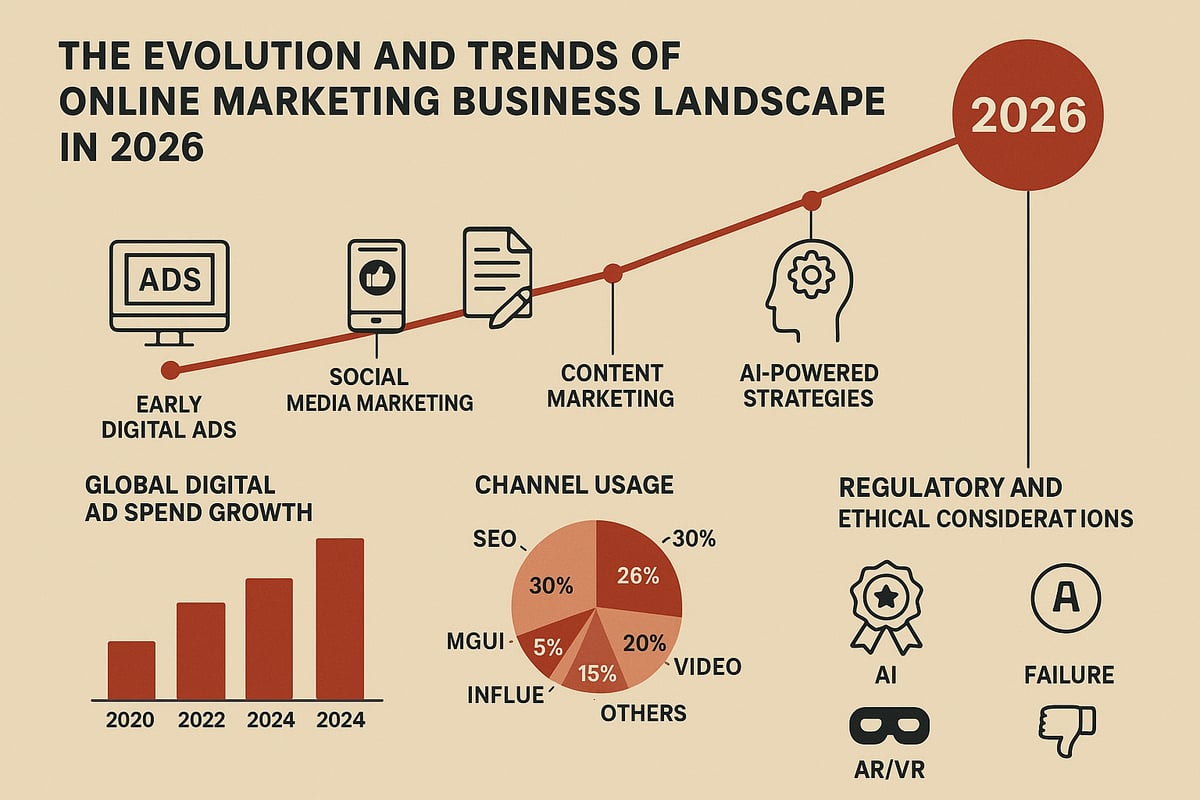
Online marketing business models have come a long way from simple banner ads and email blasts. In the early 2000s, marketers shifted from traditional print and TV to digital-first strategies, leveraging tools like Google AdWords and Facebook Ads.
The rise of omnichannel approaches allowed brands to reach consumers seamlessly across devices and platforms. Today, more than 60% of global ad spend is digital, with projections that digital ad investments will reach $1.16 trillion by 2025, according to global digital ad spending projections.
This explosive growth reflects how essential an online marketing business is for connecting with customers in the modern era.
Key Trends Shaping 2026
Several trends are fundamentally changing the online marketing business landscape:
- AI and machine learning are revolutionizing targeting, automation, and campaign optimization.
- Video content, interactive experiences, and immersive formats like AR and VR are on the rise.
- Personalization at scale is now possible, although data privacy remains a priority for consumers.
- Social commerce and influencer partnerships are expanding, driving new revenue streams.
- As third-party cookies phase out, first-party data collection becomes even more critical.
To stay competitive in the online marketing business, it is vital to monitor these trends and adapt strategies accordingly.
Types of Online Marketing Channels
A successful online marketing business relies on a mix of channels, each with unique strengths and limitations. Here is a quick comparison:
| Channel | Advantage | Limitation |
|---|---|---|
| SEO | Long-term organic traffic | Slow results, algorithm changes |
| Content Marketing | Builds authority, educates audience | Resource-intensive, competitive |
| Email Marketing | High ROI, direct communication | Deliverability, list maintenance |
| Social Media | Broad reach, engagement | Algorithm shifts, pay-to-play |
| Paid Ads | Instant visibility | Costly, requires expertise |
| Influencer Marketing | Builds trust, social proof | Authenticity, compliance |
| Affiliate Marketing | Performance-based, scalable | Fraud risk, relationship management |
| Digital PR | Boosts authority, earns backlinks | Hard to measure impact |
| Video/Display Ads | High engagement, storytelling | Production costs, ad fatigue |
For example, email marketing delivers three times more leads at 62% lower cost compared to other channels. Diversifying across these channels is key for any online marketing business.
Competitive Landscape and Market Opportunities
As more players enter the field, the online marketing business environment can feel saturated, especially in popular consumer niches. However, opportunities abound in underserved verticals, such as niche B2B services or local-focused campaigns.
Differentiation is crucial. Businesses that tailor their offerings and develop specialized expertise stand out. For example, a local online marketing business focusing on small businesses in a specific metro area can carve out a loyal client base. Overcoming barriers to entry means leveraging unique value, deep industry knowledge, and innovative tactics.
Regulatory and Ethical Considerations
Compliance is a non-negotiable aspect of the online marketing business. Key considerations include:
- Adhering to data privacy regulations like GDPR and CCPA, as well as evolving US laws.
- Ensuring AI tools are used ethically to avoid biased outcomes.
- Maintaining transparency in influencer and affiliate campaigns, with clear disclosures.
Staying ahead of regulatory changes protects your online marketing business and builds long-term trust with clients and consumers.
Success Stories and Cautionary Tales
Brands that have thrived in the online marketing business often embraced innovation early. For example, direct-to-consumer brands leveraging TikTok’s short-form video gained massive exposure and sales.
On the other hand, failed campaigns highlight the risks of ignoring compliance or failing to adapt to changing platforms. Flexibility, creativity, and a commitment to ethical practices are hallmarks of sustainable success in the online marketing business.
Step 1: Laying the Foundation – Research, Planning, and Positioning
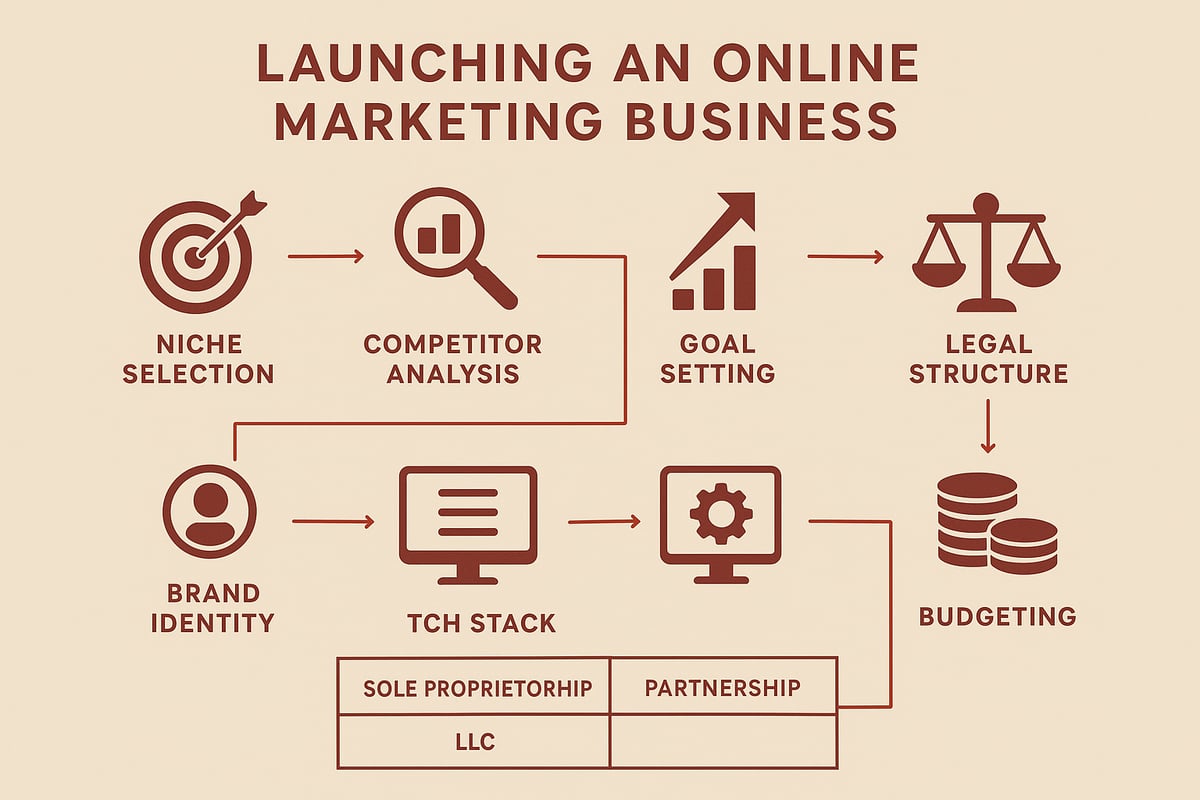
Building a successful online marketing business in 2026 starts with a solid foundation. This stage is crucial, as it sets the direction for your growth, differentiation, and long-term sustainability. By carefully researching, planning, and positioning your business, you create a blueprint for success that stands out in a crowded digital landscape.
Defining Your Niche and Unique Value Proposition
Choosing the right niche is the first strategic move for any online marketing business. Targeting a specific audience or industry helps you stand out and attract the clients who need your expertise most.
Start with market research to spot gaps, analyze keyword trends, and map competitors in your chosen space. Use surveys, forums, and keyword tools to identify underserved needs. Once you find your niche, craft a compelling value proposition that clearly explains how your online marketing business solves client problems better than others.
Your unique value could be industry knowledge, a proprietary process, or a specialized service. Remember, a focused approach makes it easier to build authority and trust, setting the stage for scalable growth.
Market and Competitor Analysis
A thorough market and competitor analysis is essential for positioning your online marketing business effectively. Use tools like SEMrush, SimilarWeb, and social listening platforms to monitor your competitors’ strategies, strengths, and weaknesses.
Evaluate their content, campaigns, and customer engagement. Create a simple comparison table to visualize where your online marketing business can differentiate. Look for gaps in services, outdated tactics, or underserved audiences.
By understanding the landscape, you can refine your offerings and set realistic expectations for market entry. Staying informed helps you anticipate trends and respond proactively to changes.
Setting Clear Business Goals and KPIs
Setting clear, measurable goals is vital for tracking the progress of your online marketing business. Use the SMART framework—Specific, Measurable, Achievable, Relevant, Time-bound—to define your objectives.
Key performance indicators (KPIs) help you assess your strategies. Common KPIs include website traffic, qualified leads, conversion rates, return on investment, and customer lifetime value. For example, you might set a goal to generate 50 qualified leads per month through SEO.
Tracking these metrics allows you to adjust your tactics and maximize results. Regular goal reviews keep your online marketing business agile and focused.
Legal and Business Structure Essentials
Establishing a legal foundation protects your online marketing business and ensures compliance. Choose a structure that fits your needs, such as LLC or S Corp, and register your business with the appropriate authorities.
Obtain any necessary licenses or permits for your location and service offerings. Familiarize yourself with tax requirements for digital businesses, as regulations may differ by state or country.
A well-structured business reduces risk and builds credibility with clients. Consulting a legal or tax professional is often a wise investment at this stage.
Building Your Brand Identity
A strong brand identity helps your online marketing business earn trust and recognition. Develop core elements like a logo, color palette, brand voice, and messaging guidelines that reflect your values and target audience.
Consistency is key. Ensure your brand visuals and tone are unified across your website, social profiles, emails, and proposals. For example, a clear and professional brand presence can improve conversion rates and foster lasting client relationships.
Investing in branding early pays dividends, setting the tone for all your future marketing efforts.
Essential Tools and Technology Stack
Equipping your online marketing business with the right tools streamlines operations and drives results. Must-have solutions include a content management system (like WordPress), CRM (such as HubSpot), email marketing software, analytics (Google Analytics), and project management platforms.
Consider whether all-in-one solutions or best-of-breed tools suit your needs. Prioritize scalability and integration to ensure your tech stack can grow with your business.
| Tool Type | Example | Purpose |
|---|---|---|
| CMS | WordPress | Website management |
| CRM | HubSpot | Customer relationships |
| Analytics | GA4 | Track performance |
| Mailchimp | Campaign automation | |
| PM | Asana | Task and project tracking |
Choosing reliable technology enables your online marketing business to operate efficiently and deliver measurable value to clients.
Budgeting and Resource Allocation
Careful budgeting is fundamental for every online marketing business. Estimate your startup and operational costs, including technology, advertising, content creation, and staffing.
Decide which roles to keep in-house and which to outsource. Balance your spending to ensure high-impact activities receive the resources they need. For a detailed step-by-step approach, review this small business marketing process to guide your initial planning.
Sound financial management helps your online marketing business stay competitive and scalable, allowing you to invest confidently in growth and innovation.
Step 2: Building Your Online Presence – Website, Content, and SEO
A robust online presence is the backbone of any successful online marketing business. In 2026, your website, content, and SEO efforts will serve as the primary touchpoints for prospects and clients. Each element plays a vital role in driving traffic, building trust, and converting visitors into loyal customers.
Designing a High-Performing Website
Your website is the digital storefront of your online marketing business. In 2026, users expect seamless navigation, eye-catching design, and instant loading speeds. Prioritize mobile responsiveness and intuitive UX/UI to ensure visitors stay engaged from their first click.
A well-structured site with an SEO-friendly architecture not only delights users but also boosts search engine rankings. Implement clear navigation, logical site hierarchy, and optimized page speed. Keep in mind, sites with optimized UX can achieve up to 400% higher conversions, making this a crucial investment for your online marketing business.
Content Strategy and Creation
Content is the engine that drives your online marketing business forward. Map your content to every stage of the buyer’s journey, from awareness to decision. Offer a mix of formats, including blogs, comprehensive guides, videos, infographics, and webinars.
Develop a content calendar to ensure consistent publishing and audience engagement. Remember, content marketing generates three times more leads at a lower cost, positioning your online marketing business for sustainable growth.
Search Engine Optimization (SEO) Fundamentals
SEO is essential for visibility in a crowded digital landscape. Focus on three pillars: on-page SEO (keyword optimization, meta tags), off-page SEO (backlinks, digital PR), and technical SEO (site speed, mobile optimization).
Conduct thorough keyword research to align with user intent and structure your content accordingly. Effective link-building and authority building will help your online marketing business rank higher. With 75% of users never scrolling past the first page of search results, top-tier SEO is non-negotiable.
Leveraging Blogging and Thought Leadership
Establishing authority is a must for any online marketing business. Create educational content that positions your brand as an industry leader. Regular blogging, insightful articles, and thought leadership pieces foster trust and attract inbound leads.
Guest posting on reputable platforms and pursuing digital PR opportunities increase your reach and generate valuable backlinks. Brands recognized for thought leadership see increased credibility and long-term growth.
Building an Email List and Lead Magnets
An engaged email list is a powerful asset for an online marketing business. Attract subscribers with high-value lead magnets such as eBooks, checklists, and exclusive webinars. Use pop-ups, dedicated landing pages, and gated content to capture leads.
Segment your list to deliver personalized content and nurture prospects through automated email sequences. This approach not only boosts conversions but also builds long-lasting relationships.
Analytics and Conversion Tracking
Data-driven decision-making is at the heart of every thriving online marketing business. Set up Google Analytics, Tag Manager, and define clear conversion goals from the outset. Use heatmaps and A/B testing to understand user interactions and optimize pathways to conversion.
Leverage insights to refine your strategies, ensuring every aspect of your online presence is aligned with business objectives. Continuous tracking and iteration drive ongoing improvements.
Red Van Creative: Building Authentic Online Brands
A holistic approach to branding and digital marketing ensures authentic, consistent connections with your audience. Integrated website design, strategic SEO, and clear messaging are foundational for trust and growth. For example, Online marketing agency strategies showcase how combining these elements elevates results across industries.
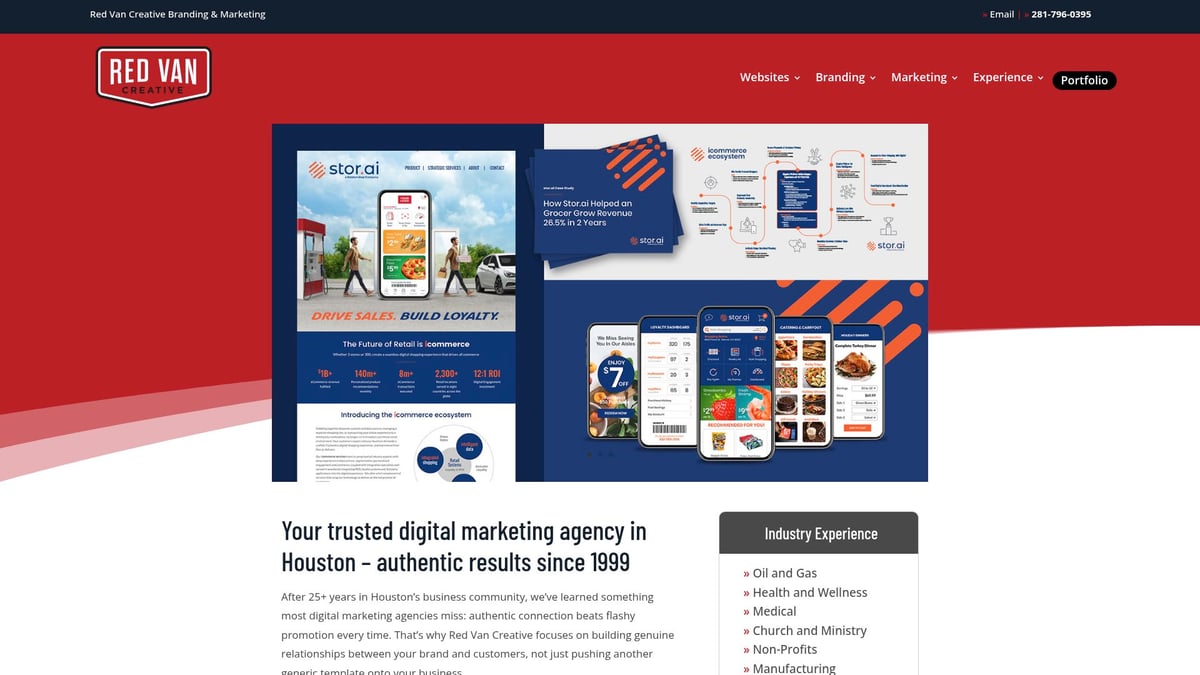
Local expertise and tailored strategies help your online marketing business stand out, especially when serving Houston and Texas-based markets. Case studies reveal that authenticity and integration yield measurable, lasting impact.
Step 3: Attracting and Engaging Your Audience – Multi-Channel Marketing
Attracting and engaging your audience is the heartbeat of any successful online marketing business. In 2026, a multi-channel approach is essential, blending social, paid, email, influencer, PR, and video strategies for maximum reach and impact. Let’s explore how to harness each channel to grow your online marketing business and stay ahead.
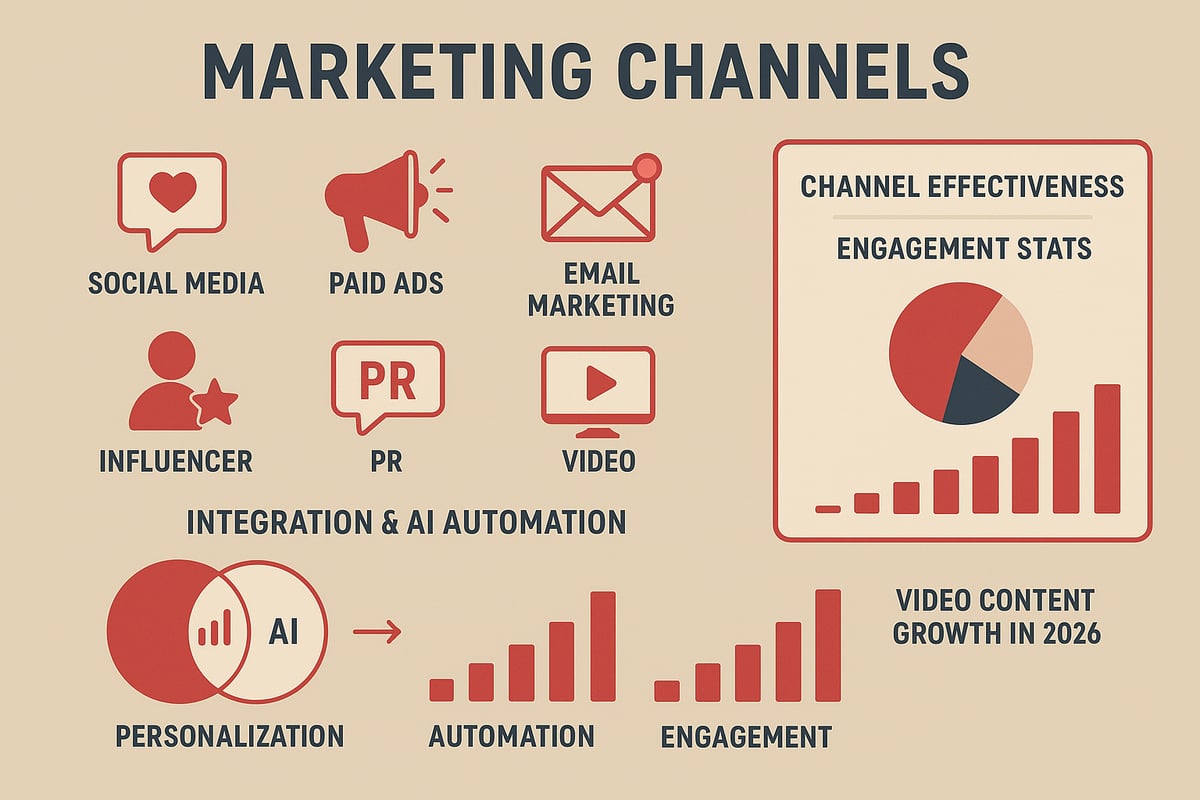
Social Media Marketing and Community Building
Social media platforms are vital for any online marketing business aiming to connect with diverse audiences. Choose platforms like Facebook, Instagram, LinkedIn, TikTok, Pinterest, or Snapchat based on where your ideal customers spend time.
- Tailor content for each platform’s unique style and audience.
- Focus on building active brand communities by encouraging user-generated content.
- Use polls, stories, and live streams to boost engagement.
Building a loyal following on social media amplifies your online marketing business, turning customers into brand advocates. Consistency and genuine interaction drive trust and long-term growth.
Paid Advertising: Search, Social, and Display
Paid advertising offers instant visibility for your online marketing business, but success relies on smart budgeting and precise targeting. Explore PPC options like Google Ads, Bing, and paid social campaigns on Facebook, Instagram, and TikTok.
- Set clear objectives for each campaign.
- Use compelling ad creatives and landing pages.
- Retarget website visitors to maximize ROI.
By 2026, AI will play a major role in automating and optimizing ad campaigns. For example, Meta’s AI-driven ad automation plans are set to transform how businesses approach paid media, making it crucial to stay updated on automation trends.
Email Marketing and Automation
Email remains a cornerstone for nurturing leads and driving conversions. For your online marketing business, implement personalized campaigns and drip sequences to move prospects through the sales funnel.
- Segment lists by interests and behavior.
- Automate follow-ups with tools like Mailchimp or HubSpot.
- Track open rates, clicks, and conversions for ongoing optimization.
Well-crafted email strategies deliver high ROI and help your online marketing business maintain direct, lasting relationships with customers.
Influencer and Affiliate Marketing
Influencer and affiliate partnerships can rapidly expand your online marketing business reach. Identify influencers whose audiences align with your brand values and goals.
- Vet influencers for authenticity and engagement.
- Structure clear, compliant campaigns with transparent compensation.
- Track performance to ensure cost-effectiveness.
When executed well, influencer marketing brings credibility and drives awareness for your online marketing business, especially in crowded markets.
Content Amplification and Digital PR
Amplifying your content extends its reach beyond owned channels. Strategies include guest posting, syndication, and distributing press releases to reputable industry publications.
- Build relationships with journalists and bloggers.
- Pitch unique stories or insights to gain media coverage.
- Leverage backlinks from PR wins to boost SEO authority.
Digital PR not only enhances visibility but also positions your online marketing business as a trusted industry leader.
Video and Interactive Content
Video and interactive formats are surging in popularity for 2026. Create short-form videos, host live sessions, and experiment with interactive content like polls or AR experiences.
- Use YouTube, TikTok, and Instagram Reels for maximum exposure.
- Repurpose webinar content into bite-sized clips.
- Encourage audience participation through quizzes and contests.
High-quality video content increases engagement and conversion rates, making it indispensable for your online marketing business.
Measuring Multi-Channel Campaign Effectiveness
Success in a multi-channel world requires robust measurement strategies. Use analytics tools to track user journeys and campaign performance for your online marketing business.
- Apply attribution models to understand which channels drive results.
- Monitor cross-channel metrics for traffic, leads, and conversions.
- Adjust campaigns based on real-time data insights.
By measuring and refining your approach, your online marketing business can achieve higher ROI and sustainable growth across every channel.
Step 4: Scaling and Automating Your Online Marketing Business
Scaling your online marketing business requires a shift from hands-on management to building systems that support efficiency and sustainable growth. In this phase, you will focus on assembling the right team, leveraging automation, standardizing processes, expanding services, strengthening client relationships, optimizing pricing, and forming strategic partnerships.
Building a Scalable Team and Outsourcing
As your online marketing business grows, knowing when to hire in-house or outsource becomes essential. Start by identifying roles you need most, such as content creators, designers, ad specialists, and developers.
Consider these strategies:
- Hire core team members for critical functions.
- Outsource tasks like web design or ad management to specialized freelancers or agencies.
- Onboard and manage remote teams using collaboration tools.
Balancing in-house and outsourced talent ensures flexibility and access to diverse skills, allowing your online marketing business to scale without overextending resources.
Implementing Marketing Automation and AI
Automation is a game changer for the modern online marketing business. Automate repetitive tasks like email campaigns, social media posting, and performance reporting to save time and reduce manual errors.
Adopt AI-driven tools for content generation, chatbots, and predictive analytics. For example, organizations worldwide are rapidly adopting marketing AI, with the market projected to reach $243.7 billion by 2025, according to AI adoption in marketing statistics.
Integrating automation and AI not only boosts productivity, but also enables your online marketing business to deliver personalized experiences at scale. This frees up your team to focus on strategy and creative problem-solving.
Creating Repeatable Processes and SOPs
Standard operating procedures (SOPs) are the backbone of a scalable online marketing business. Document workflows for onboarding, campaign execution, and reporting to ensure consistency and quality.
Benefits of SOPs include:
- Faster onboarding of new team members
- Reliable campaign performance
- Easier delegation and accountability
Agencies with well-defined SOPs can scale twice as quickly as those without, making process documentation a priority for any ambitious online marketing business.
Expanding Service Offerings and Revenue Streams
Diversifying your services helps your online marketing business capture new revenue opportunities and adapt to market shifts.
Consider adding:
- Conversion rate optimization (CRO)
- Video production and interactive content
- Advanced analytics and reporting
- Affiliate or white-label marketing solutions
Productizing services into packages or subscriptions creates predictable income streams. Exploring these options positions your online marketing business for long-term sustainability.
Client Acquisition, Retention, and Relationship Management
Winning and retaining clients is the foundation of every successful online marketing business. Use a mix of networking, inbound marketing, and outbound outreach to attract new clients.
Relationship management tips:
- Communicate results and progress regularly
- Set clear expectations from the start
- Build trust through transparency and delivering measurable value
Remember, a significant portion of revenue often comes from a small percentage of loyal clients. Focusing on retention and relationship-building can dramatically increase the lifetime value of each client for your online marketing business.
Pricing Models and Profitability
Selecting the right pricing model impacts both growth and profitability for your online marketing business. Common options include:
| Model | Description | Best For |
|---|---|---|
| Project-Based | One-time, fixed-fee engagements | Short-term work |
| Retainer | Ongoing monthly payments | Long-term relationships |
| Performance-Based | Pay based on results delivered | High-impact campaigns |
| Hybrid | Mix of retainer and performance | Flexible arrangements |
Monitor your margins closely, manage scope creep, and leverage invoicing tools to keep your online marketing business financially healthy.
Leveraging Partnerships and Strategic Alliances
Strategic partnerships can accelerate the growth of your online marketing business. Collaborate with web development agencies, PR firms, or SaaS providers to expand your offerings and reach new audiences.
Effective partnership strategies:
- Develop referral programs
- Pursue joint ventures or co-branded projects
- Share resources for mutual benefit
These alliances allow your online marketing business to deliver more value to clients while tapping into new markets and expertise.
Step 5: Future-Proofing Your Online Marketing Business
The digital world never stands still. To keep your online marketing business ahead of the curve in 2026 and beyond, you need strategies that adapt, evolve, and scale with change. This section explores how to future-proof your business, ensuring resilience and growth regardless of what the market brings.
Staying Ahead of Industry Trends and Technology
Innovation is the heartbeat of a thriving online marketing business. In 2026, staying current means more than just reading headlines. It requires ongoing learning, industry certifications, and hands-on experimentation with emerging tools.
Adopting new platforms early, such as AI-driven automation or AR/VR content, can set your business apart. For example, nearly 90 percent of advertisers are projected to use generative AI to create video ads by 2026, transforming how campaigns are produced and delivered. Learn more about Generative AI’s impact on video advertising to understand how these innovations may shape your future offerings.
Adapting to Regulatory and Market Changes
The online marketing business landscape faces constant regulatory shifts. Data privacy laws like GDPR and CCPA are evolving, and ad platforms regularly update policies.
To future-proof your online marketing business, build flexibility into your strategies. Stay informed about legal updates, train your team on compliance, and develop frameworks that allow you to pivot quickly if the market changes. Preparing for the end of third-party cookies and embracing first-party data collection will help you maintain your competitive edge.
Data-Driven Decision Making and Experimentation
Data is the compass that guides a successful online marketing business. Leverage analytics to test, iterate, and refine your campaigns. Embrace a culture of experimentation with A/B testing, rapid prototyping, and agile marketing sprints.
Data-driven marketers grow up to five times faster than those relying on gut instinct. Use dashboards and analytics tools to inform every decision, from content strategy to ad spend allocation. This approach ensures your business stays agile and responsive.
Building a Resilient Brand and Reputation
A strong reputation is a shield for your online marketing business. Develop crisis communication plans and actively manage online reviews. Encourage authentic testimonials from satisfied clients and address negative feedback quickly.
Personalization also plays a critical role in building trust and loyalty. Discover why personalized marketing matters and how it can set your brand apart in a crowded digital marketplace.
Diversifying Client Base and Revenue Streams
Avoid putting all your eggs in one basket. Diversify your client portfolio across industries, service types, and marketing channels. This strategy protects your online marketing business from industry downturns and opens up new opportunities.
Consider expanding into new markets, offering additional services, or developing recurring revenue models. Agencies that diversified during challenging times often sustained steady growth and weathered economic storms better than those with a narrow focus.
Planning for Long-Term Growth and Exit Strategies
Sustainable success requires a vision for the future. Set up systems for leadership transitions, build processes that support scaling, and consider options like franchising or preparing for acquisition.
Outline clear exit strategies, whether aiming for a profitable sale, passive income, or legacy-building. With thoughtful planning, your online marketing business can thrive for years to come and remain attractive to investors or successors.
As you set out to build or scale your online marketing business for 2026, seeing real success stories in action can be incredibly inspiring. We’ve covered how a holistic approach—combining strong branding, effective website design, targeted SEO, and genuine customer relationships—creates lasting growth and trust. If you’re curious about how these strategies come to life for different industries and want to visualize the possibilities for your own business, take a look at what we’ve accomplished for our clients. You can See Our Work / View Our Portfolio to get ideas and see proven results in action.