
In a world where digital noise grows louder each day, brands are challenged to rise above the static. The answer lies in experience marketing, which has become the key to unlocking genuine customer engagement and long-term loyalty.
This guide explores how experience marketing is transforming in 2026. You will discover what it is, why it matters, the latest trends, actionable steps for campaign success, inspiring real-world examples, and the essential metrics to measure your results.
Ready to capture attention with immersive experiences, spark interest with proven strategies, and drive your brand to new heights? Dive in and start your journey with experience marketing.
What is Experience Marketing?
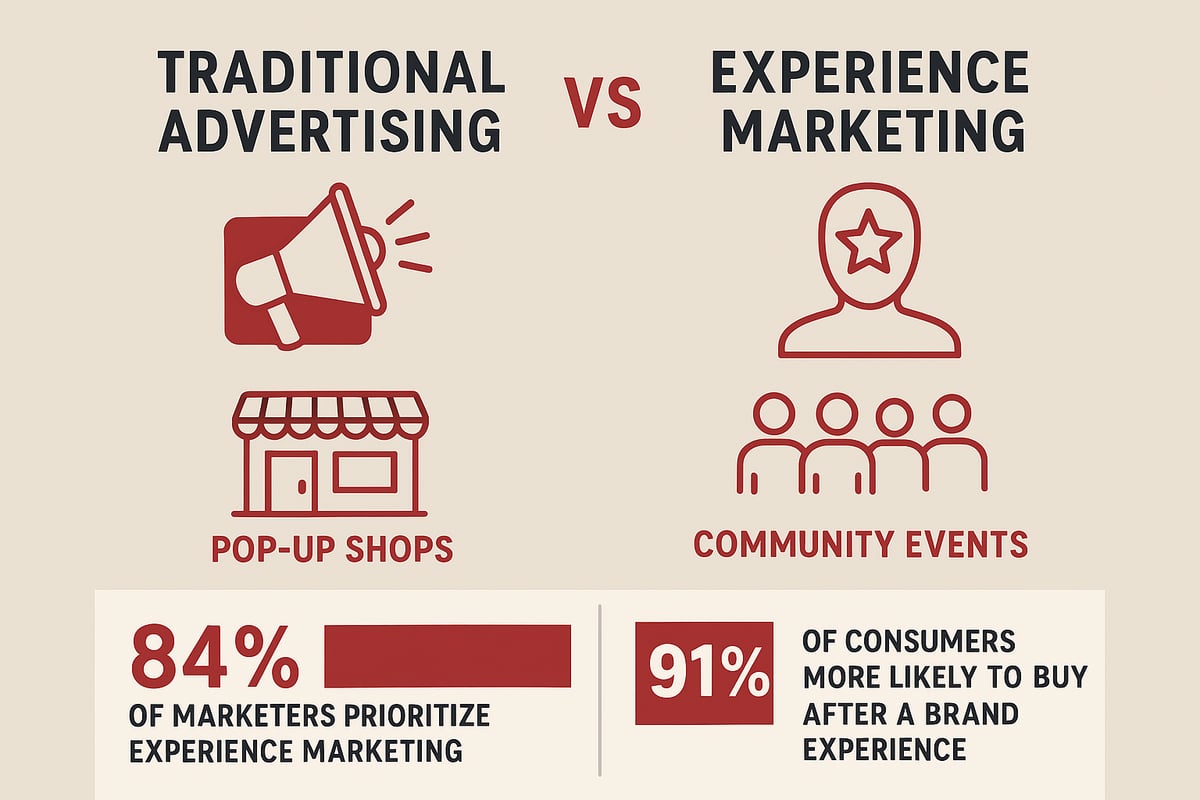
Experience marketing is a strategy that puts customers at the center of memorable, interactive brand moments. Unlike traditional advertising, which relies on one-way messaging, experience marketing invites participation and fosters real-world engagement. This approach spans in-person events, digital activations, and hybrid experiences, giving brands new ways to connect. Examples include pop-up shops, product demonstrations, and immersive installations. According to Experiential Marketing Statistics 2025, 84% of marketers now see experience marketing as vital to their strategy, and 91% of consumers are more likely to purchase after a hands-on brand experience. These figures underscore the power of authentic, participatory marketing.
Defining Experience Marketing
Experience marketing has evolved from passive advertising to active engagement. Consumers no longer want to be mere spectators; they expect to participate and influence brand stories. The rise of technology, including VR, AR, and interactive displays, has made these experiences more immersive and accessible. After the pandemic, hybrid and virtual activations became essential, allowing brands to connect both online and in person. Companies now blend physical and digital touchpoints, using data to personalize every interaction. Authenticity and relevance have become non-negotiable, as customers look for experiences that align with their values and interests.
The Evolution of Experience Marketing
Why does experience marketing matter so much in 2026? Consumers are overwhelmed by digital ads and crave meaningful, memorable interactions. Experience marketing cuts through the noise by building trust and emotional connections. Research shows that 70% of attendees are more likely to return to a brand after an event. Real-time experiences offer immediate feedback, helping brands adapt quickly. In crowded markets, experience marketing is a true differentiator, offering something unique that competitors cannot easily replicate. This approach transforms casual customers into loyal advocates.
Why Experience Marketing Matters in 2026
What makes experience marketing campaigns succeed? It starts with understanding and segmenting your audience to deliver relevant activations. Multi-sensory engagement—sight, sound, touch, and more—creates lasting memories. Powerful storytelling and emotional resonance turn brand messages into compelling narratives. Integration with digital channels and social sharing amplifies reach and impact. Setting clear objectives and KPIs ensures every campaign is goal-driven. Finally, continuous innovation and adaptability keep experiences fresh and aligned with changing consumer expectations.
Key Components of Successful Experience Marketing
The Benefits of Experience Marketing
Experience marketing delivers a powerful set of advantages that go far beyond traditional advertising. By engaging audiences in memorable, interactive ways, brands can build stronger relationships, foster loyalty, and spark meaningful conversations within their communities.
Building Brand Loyalty and Trust
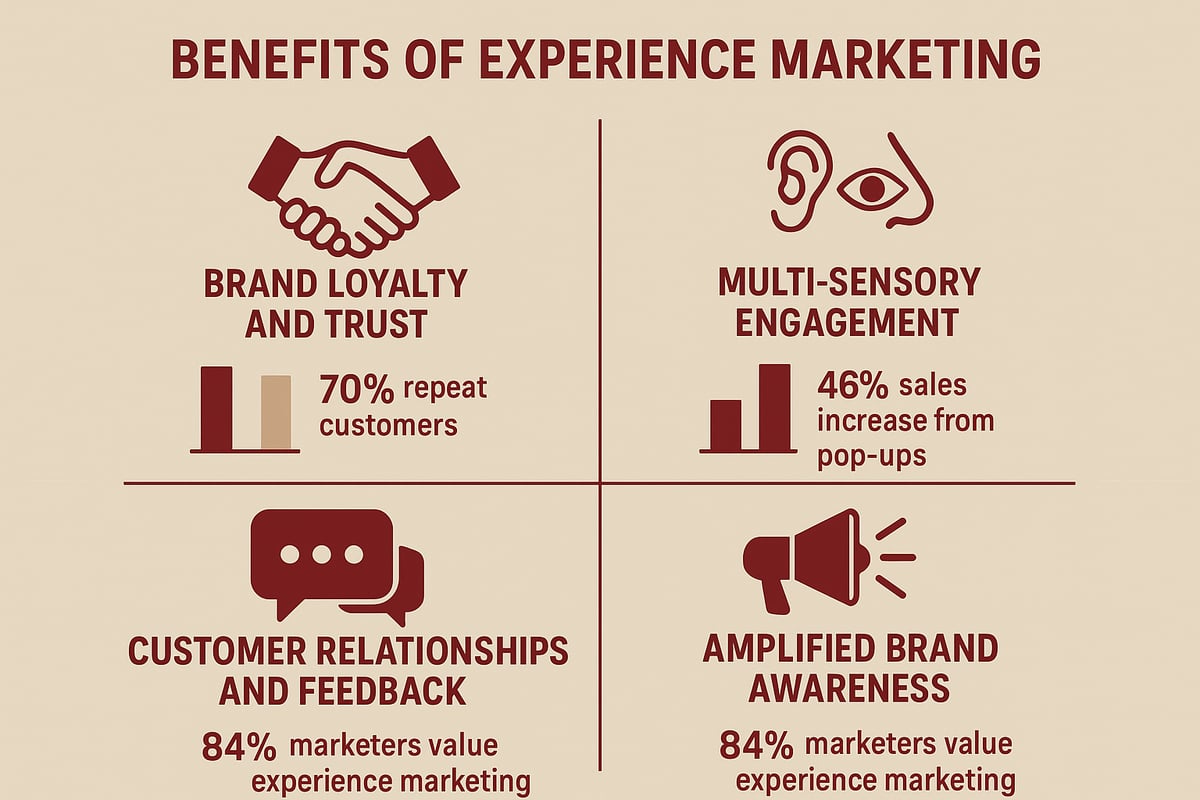
Experience marketing excels at nurturing authentic, lasting connections between brands and their audiences. In-person events and hands-on activities create a sense of belonging that digital ads cannot match. Studies reveal that 70% of participants become repeat customers after a memorable brand experience.
Personalized experiences foster trust and attachment, making customers feel valued. Workshops, live demonstrations, and community gatherings are prime examples of how brands can bring their promise to life. For a deeper dive into how experience-driven branding strategies fuel loyalty, explore Experience Branding Strategies.
By prioritizing real-world engagement, brands see stronger relationships and long-term loyalty.
Multi-Sensory and Immersive Engagement
Experience marketing taps into the full spectrum of human senses to create unforgettable moments. Activations that involve sight, sound, touch, taste, and smell significantly boost brand recall and emotional impact.
Consider taste tests, virtual reality demos, or even scented environments—these approaches immerse participants in the brand story. At trade shows, interactive installations allow guests to physically engage with products, making the experience more memorable.
This multi-sensory approach helps brands stand out and ensures customers remember them long after the event ends.
Enhanced Customer Relationships and Feedback
A core benefit of experience marketing is the opportunity for direct, two-way communication with your audience. Real-time feedback during events enables brands to quickly adapt and refine their offerings based on actual customer input.
Workshops and demo sessions serve as valuable feedback loops, helping companies identify emerging trends and understand what truly matters to their customers. When attendees feel heard and appreciated, their loyalty deepens.
This approach transforms passive audiences into active brand advocates who are invested in the brand’s success.
Amplified Brand Awareness and Word-of-Mouth
Shareable experiences are the engine of organic reach in today’s crowded digital landscape. Experience marketing naturally encourages social sharing, user-generated content, and media attention.
Pop-up shops, guerrilla campaigns, and interactive events create buzz, leading to increased visibility in target markets. Attendees often share their experiences online, multiplying the campaign’s reach and impact.
By designing events that are both memorable and shareable, brands can turn every guest into a potential ambassador.
Leading Experience Marketing Trends for 2026
Staying ahead in experience marketing means embracing the trends that are redefining brand engagement. In 2026, innovation, technology, personalization, and values-driven strategies are transforming how brands connect with audiences. Let’s explore the top trends shaping the future of experience marketing.
Integration of Technology: AR, VR, and Beyond
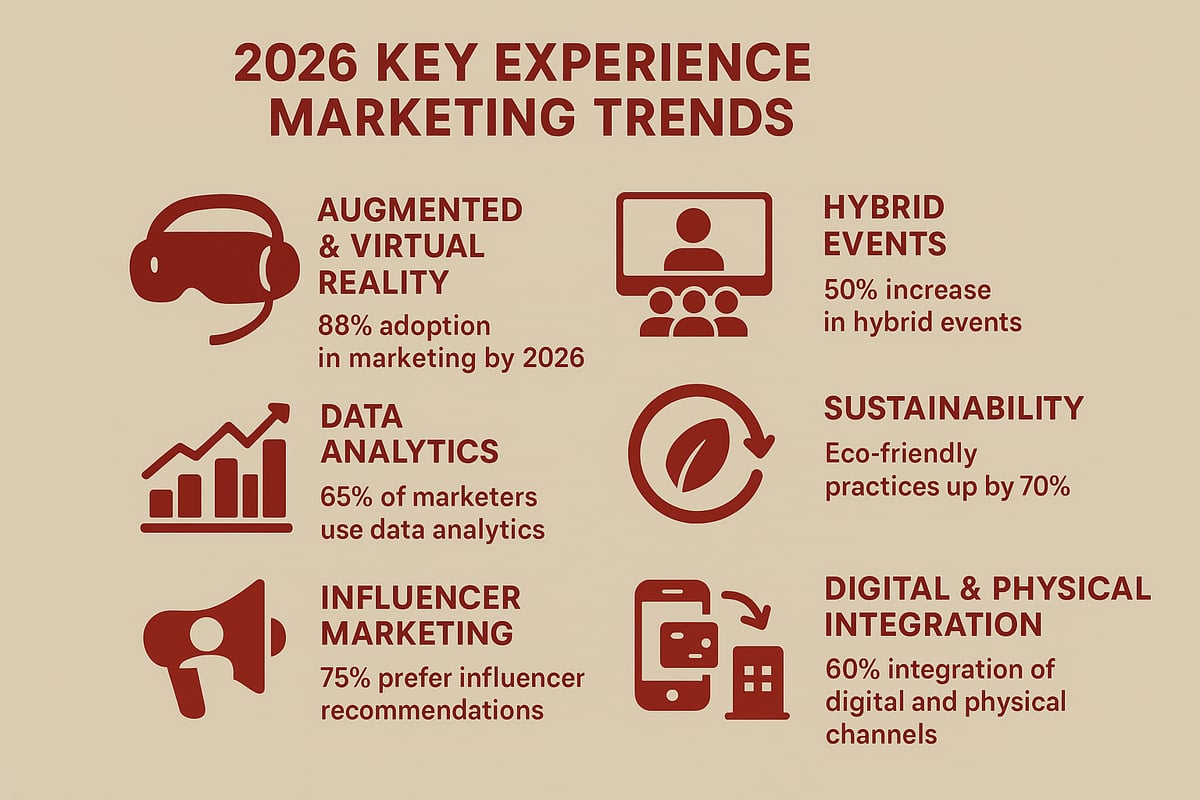
Technology is at the heart of experience marketing’s evolution. Augmented reality (AR) and virtual reality (VR) are now essential tools for immersive brand experiences. Brands are using VR headsets for product demos, AR filters for interactive displays, and even holographic presentations at live events.
These innovations offer:
- Virtual try-ons for fashion and beauty products
- Interactive 3D product tours
- Real-time customization using artificial intelligence
According to Experiential Marketing Trends for 2026, brands that invest in immersive tech see higher engagement and stronger recall. As experience marketing integrates more advanced tools, expect even more personalized and dynamic activations.
Rise of Hybrid and Phygital Experiences
Experience marketing in 2026 thrives on blending physical and digital touchpoints. Hybrid events allow audiences to participate in person or remotely, making brand experiences accessible to a wider group. Phygital activations, like QR codes on packaging or smart displays in stores, bridge the gap between online and offline engagement.
Benefits of hybrid and phygital strategies:
- Broader audience reach and inclusivity
- Real-time participation from anywhere
- Consistent brand messaging across channels
This approach enables brands to adapt quickly to changing audience needs and ensures every experience marketing campaign remains flexible and scalable.
Personalization and Data-Driven Experiences
Personalization is no longer optional in experience marketing. Brands are leveraging customer data to create tailored journeys that resonate on an individual level. Real-time analytics inform dynamic content, personalized invitations, and unique offers during events.
Key elements of data-driven personalization:
- Customized event agendas based on preferences
- Targeted follow-ups and exclusive content
- Adaptive experiences that change in real time
By focusing on data and personalization, experience marketing campaigns achieve higher engagement and conversion rates, making each interaction more meaningful for participants.
Sustainability and Social Responsibility
Consumers in 2026 expect brands to demonstrate genuine commitment to sustainability and social causes. Experience marketing campaigns increasingly use eco-friendly materials, minimize waste, and partner with local organizations.
Ways brands show responsibility:
- Hosting events that support community initiatives
- Designing reusable or recyclable event assets
- Highlighting values-driven storytelling
Sustainable experience marketing not only appeals to conscious consumers but also builds long-term trust and loyalty, setting brands apart in competitive markets.
Influencer-Led and Community-Driven Campaigns
Influencers are powerful amplifiers for experience marketing, bringing authenticity and reach to brand events. Micro-influencers and community leaders host workshops, pop-ups, and product launches, creating peer-to-peer trust.
Strategies include:
- Collaborative events with local creators
- User-generated content challenges
- Community workshops and feedback sessions
Experience marketing powered by influencers and communities fosters genuine connections, encouraging organic word-of-mouth and expanding brand visibility.
Seamless Multi-Channel Integration
Successful experience marketing campaigns unify messaging and engagement across all platforms. Brands leverage social media, email, live streaming, and digital tools to support in-person experiences and amplify their impact.
Elements of multi-channel integration:
- Consistent branding and storytelling
- Event hashtags for social sharing
- Real-time Q&A sessions and live polls
By integrating every touchpoint, experience marketing ensures audiences are engaged before, during, and after each event, maximizing both reach and results.
Step-by-Step: How to Build a Winning Experience Marketing Campaign in 2026
Launching a successful experience marketing campaign in 2026 requires a strategic approach that balances creativity, technology, and measurable results. Each step, from defining objectives to nurturing relationships post-event, is essential to unlocking engagement and standing out in a crowded market.
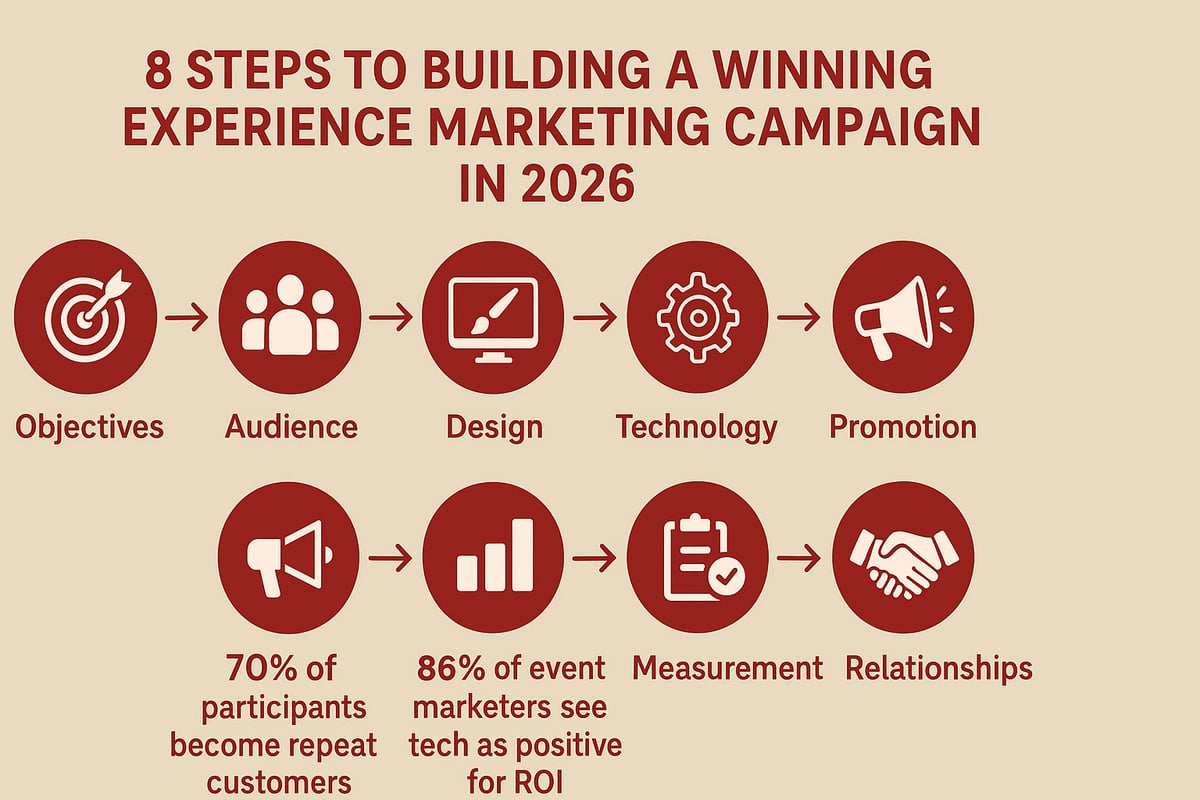
Step 1: Define Clear Objectives and KPIs
Start every experience marketing campaign by setting clear, measurable objectives. Decide if your goals focus on engagement, lead generation, sales, or brand awareness. Align these objectives with your overall marketing strategy for consistency and impact.
Choose key performance indicators (KPIs) that reflect campaign success. Consider metrics like event attendance, dwell time, social shares, or post-event brand recall. For example, you might aim for a 30% increase in brand recall after your activation.
Document these objectives and KPIs before moving forward. This clarity will guide your team, shape creative decisions, and provide benchmarks for evaluating your experience marketing efforts.
Step 2: Deeply Understand Your Target Audience
A deep understanding of your audience is the foundation of effective experience marketing. Conduct thorough market research, segment your audience, and uncover their needs, behaviors, and preferences. Use data analytics, social listening, and customer feedback to build detailed personas.
Personalize experiences based on these insights. For example, Gen Z may seek interactive digital elements, while Millennials might value community-driven events. Tailoring your approach increases relevance and engagement. For more on the importance of personalization, visit Why Personalized Marketing Matters.
Audience insights ensure your experience marketing campaign resonates, sparks participation, and drives lasting loyalty.
Step 3: Design the Experience – Creativity Meets Strategy
Combine strategic planning with creative vision to design an experience marketing campaign that captures attention. Develop a compelling theme and narrative that aligns with your brand’s voice and values.
Incorporate multi-sensory and interactive elements to engage attendees on every level. Plan both physical and digital touchpoints, such as immersive pop-ups with AR product demos or live workshops.
Storytelling is key. Build emotional resonance into every detail, from the invitation to the event’s finale. A well-designed experience encourages participation, sharing, and memorable connections with your brand.
Step 4: Leverage Technology and Innovation
Harness technology to elevate your experience marketing campaign. Integrate tools like AR, VR, mobile apps, and interactive displays to create immersive, memorable moments.
Use digital platforms for event registration, attendee engagement, and real-time feedback. Enable social sharing and live streaming to extend your campaign’s reach beyond the event itself.
For example, offer a virtual reality tour or gamified product experience to make your brand stand out. Technology not only enhances engagement but also provides valuable data for optimizing future experience marketing initiatives.
Step 5: Promote Across Multiple Channels
Promote your experience marketing campaign across a mix of channels for maximum impact. Build anticipation with social media teasers, email campaigns, and public relations outreach.
Collaborate with influencers and strategic partners to expand your reach. Develop event-specific hashtags and landing pages to centralize information and encourage user participation.
Carefully coordinate timing across platforms to create buzz and drive attendance. For example, launch a countdown campaign with teaser videos to spark excitement and conversation before your event.
Step 6: Execute and Engage in Real Time
Flawless execution is vital to any experience marketing campaign. Ensure logistics, staffing, and event flow are well planned and adaptable. Facilitate genuine participation through interactive stations, live polls, and Q&A sessions.
Capture content during the event for real-time sharing on digital channels. Monitor attendee sentiment and feedback as the experience unfolds, making adjustments as needed to maximize engagement.
Encourage guests to share their experiences using branded hashtags. Real-time interaction deepens connection and amplifies your experience marketing impact.
Step 7: Measure, Analyze, and Optimize
After your campaign, collect comprehensive data to evaluate your experience marketing success. Track attendance, engagement, feedback, and conversions using surveys, analytics tools, and social listening.
Compare actual results to your original objectives and KPIs. Identify which elements drove the most value and where improvements are needed for future campaigns.
Analyze post-event survey insights to uncover actionable learnings. Use these findings to refine and optimize your next experience marketing initiative, ensuring continuous growth and effectiveness.
Step 8: Foster Ongoing Relationships Post-Experience
The experience continues after the event ends. Follow up with personalized communications, sharing event highlights and user-generated content to sustain engagement.
Offer exclusive post-event offers or content to attendees, encouraging them to remain active within your brand community. Use digital channels to nurture relationships and maintain momentum.
For instance, provide VIP access or early invitations to future events for your most engaged participants. Ongoing connection transforms a single experience marketing event into a long-term loyalty driver.
Types of Experience Marketing and Real-World Examples
Experience marketing encompasses a wide variety of approaches, each designed to engage audiences and foster deeper brand connections. Below, we explore five major types of experience marketing, highlighting real-world examples that demonstrate their impact.
Event Marketing
Event marketing is a cornerstone of experience marketing. Brands create immersive events such as trade shows, product launches, and branded gatherings to forge direct connections with their audience. These experiences encourage hands-on interaction and generate excitement that digital ads simply cannot match.
A standout example is Apple’s product launch events, which blend live demonstrations, storytelling, and media engagement. Such events drive massive awareness and spark global conversations. In fact, recent research shows that experiential marketing spending has surpassed pre-pandemic levels, reflecting the growing importance of experience marketing in today’s strategies.
Both in-person and hybrid event formats make it easier to reach broader audiences, deliver value, and measure impact.
Guerrilla and Ground Marketing
Guerrilla and ground marketing tactics bring experience marketing into the public sphere through unexpected, often unconventional activations. These surprise campaigns are designed to capture attention quickly and create memorable moments.
Examples include flash mobs that turn city squares into stages, eye-catching street art installations, and creative pop-ups in high-traffic areas. Brands often use these tactics to generate buzz, encourage social sharing, and engage local communities directly.
The low-cost, high-impact nature of guerrilla marketing makes it a favorite for brands seeking to maximize returns from their experience marketing efforts.
Pop-Up Shops and Experiential Retail
Pop-up shops and experiential retail environments offer consumers a temporary, hands-on way to engage with products. These spaces are designed to immerse visitors in the brand story through interactive displays and live demonstrations.
Brands like Nike and Amazon have successfully used pop-up shops to launch new products and test market interest. According to industry reports, experiential pop-ups can result in a 46 percent sales boost, proving their effectiveness as an experience marketing tool.
Pop-ups are especially valuable for seasonal campaigns, limited-edition products, and creating a sense of exclusivity among target audiences.
Virtual and Augmented Reality Experiences
Virtual and augmented reality are transforming experience marketing by blending physical and digital engagement. Brands leverage VR and AR to offer digital product trials, interactive tours, and immersive demonstrations that reach consumers wherever they are.
A prime example is the IKEA AR app, which allows users to visualize furniture in their homes before purchasing. These experiences increase memorability, drive social sharing, and support both remote and in-person engagement.
As technology becomes more accessible, VR and AR are quickly becoming integral parts of forward-thinking experience marketing strategies.
Influencer and Community-Driven Experiences
Influencer and community-driven experiences are at the heart of authentic experience marketing. Brands partner with influencers to host events, lead workshops, or amplify campaigns to their engaged followers.
Community-focused initiatives, such as user group meetups or co-creation workshops, foster a sense of belonging and trust. For instance, influencer-led fitness classes or brand ambassador meetups expand reach through peer networks while building credibility.
These approaches leverage the power of word-of-mouth and authentic connections to make experience marketing both scalable and impactful.
Best Practices and Pro Tips for Experience Marketing Success
Unlocking the full potential of experience marketing requires more than creativity. It demands a strategic approach, consistent execution, and a focus on genuine customer connection. Here are proven best practices and expert tips to ensure your campaigns deliver measurable impact and lasting engagement.
Prioritize Authenticity and Brand Alignment
For experience marketing to resonate, authenticity is non-negotiable. Every activation should reflect your brand’s core values, mission, and voice. Avoid gimmicks that feel disconnected or forced. Instead, curate experiences that are true to your identity and foster real trust. Consider aligning each campaign with your established brand guidelines. For more on why this matters, see The Power of Brand Consistency. When your experience marketing is genuine, people remember—and return.
Focus on Storytelling and Emotional Engagement
Storytelling transforms ordinary events into memorable journeys. Experience marketing thrives when it taps into emotion and connects with audiences on a personal level. Use narratives that invite attendees to see themselves as part of the story. Leverage interactive displays, testimonial walls, or purpose-driven campaigns that spark emotion. When people feel moved, they are more likely to share their experience marketing moments across their networks.
Encourage Participation and User-Generated Content
Active participation is at the heart of successful experience marketing. Design interactive activities, live demos, or contests that empower attendees to co-create and share content. Tools like branded hashtags, photo booths, and live challenges make it easy for participants to become advocates. This approach not only amplifies reach but also builds a sense of community around your experience marketing efforts.
Leverage Influencer Partnerships Strategically
Influencers can magnify the impact of your experience marketing campaigns. Choose partners who align with your brand and genuinely connect with your target audience. Use influencers for pre-event buzz, live coverage, or even as hosts for special experiences. Their endorsement adds credibility and can drive significant attendance and engagement for your experience marketing initiatives.
Measure What Matters and Iterate
To prove ROI, it is essential to track the right metrics. Monitor engagement rates, sentiment, conversions, and feedback throughout each campaign. Use analytics dashboards, surveys, and social listening tools to gather actionable data. Compare outcomes to your original objectives and KPIs, then use these insights to refine your next experience marketing event.
Integrate Experience Marketing with Broader Strategy
Experience marketing works best when it is part of a unified brand strategy. Align your campaigns with overall marketing goals, product launches, or seasonal themes. Ensure consistency across all digital and offline channels. Multi-channel integration strengthens your messaging and maximizes the impact of every experience marketing touchpoint.
Key Metrics and Tools for Measuring Experience Marketing Impact
Understanding how to evaluate success is essential for any experience marketing initiative. Accurate measurement helps brands optimize strategies, prove ROI, and continually enhance customer engagement. The right metrics and tools turn memorable experiences into actionable insights and long-term value.
Engagement Metrics
Effective experience marketing thrives on active participation and interaction. Engagement metrics offer a clear view of how attendees connect with your brand during an event or campaign.
- Attendance rates at events or activations
- Average dwell time at installations or booths
- Participation in interactive activities and sessions
- Volume of user-generated content on social platforms
- Real-time interaction data from apps or digital tools
By tracking these engagement metrics, brands can see which experiences resonate most. High participation often signals strong interest and brand affinity, making these metrics crucial for evaluating experience marketing impact.
Brand Awareness and Sentiment
Experience marketing not only drives action but also shapes how audiences perceive your brand. Measuring awareness and sentiment helps determine if your campaigns are building positive associations.
- Pre- and post-event brand recall surveys
- Social listening for sentiment analysis and trending topics
- Volume of earned media coverage and impressions
- Tracking branded hashtag usage and reach
These insights reveal if your experience marketing efforts are improving recognition and fostering goodwill. Positive sentiment and increased visibility are key signs of long-term brand growth.
Conversion and ROI Measurement
Ultimately, experience marketing should contribute to tangible business results. Conversion and ROI metrics demonstrate how experiential campaigns translate into leads, sales, and measurable returns.
- Number of leads generated from experience marketing events
- Conversion rates among attendees or participants
- Cost per acquisition compared to other channels
- Calculation of ROI based on sales uplift or direct revenue
- Percentage of repeat customers post-experience
Monitoring these numbers helps marketers justify investments and refine future campaigns for even greater impact.
Tools and Technologies for Analytics
The right analytics tools make it easier to measure every aspect of experience marketing. Modern platforms enable real-time tracking, integration with CRM systems, and actionable reporting.
- Event management platforms with built-in analytics dashboards
- Social listening and sentiment analysis software
- Customer relationship management (CRM) tools for lead tracking
- Survey platforms for participant feedback and Net Promoter Score (NPS)
- Digital engagement tools for monitoring live participation
Staying current with the latest analytics innovations is vital. For a deeper look at how technology is transforming measurement in this space, explore Experiential Marketing Trends 2025 to see how immersive tools and data-driven personalization are reshaping the future of experience marketing analytics.
Future Outlook: The Next Frontier of Experience Marketing
The landscape of experience marketing is rapidly evolving, presenting both exciting opportunities and new challenges for brands. As 2026 approaches, marketers must anticipate shifts in consumer behavior, leverage cutting-edge technologies, and reimagine how immersive experiences can fuel growth. Let us explore what lies ahead for experience marketing and how your brand can stay ahead of the curve.
The Evolution of Consumer Expectations
Consumers in 2026 will demand more from experience marketing than ever before. They seek hyper-personalized journeys that blend the digital and physical world seamlessly. People expect brands to offer meaningful interactions that reflect their values, including sustainability and ethical practices.
Today’s audiences are quick to spot inauthenticity. They want experiences that feel genuine and tailored to their preferences. As a result, brands must invest in understanding shifting expectations and delivering experiences that resonate on a deeper emotional level.
Innovations on the Horizon
Emerging technologies are set to redefine experience marketing. Artificial intelligence will enable real-time customization, making every touchpoint more relevant. Immersive tools like extended reality and holograms will transport users into captivating brand worlds, whether at home or in person.
Data-driven insights will allow marketers to anticipate needs and design predictive engagement strategies. For example, AI-curated event agendas or dynamic VR networking spaces will become the norm. The future of experience marketing is about harnessing innovation to create unforgettable moments.
| Technology | Impact on Experience Marketing |
|---|---|
| AI | Personalized journeys, predictive design |
| XR/Holograms | Immersive, memorable brand interactions |
| Data Analytics | Real-time feedback, tailored content |
Challenges and Opportunities
With opportunity comes complexity. Privacy concerns will rise as brands collect data to personalize experience marketing. Balancing meaningful customization with respect for privacy will be critical.
Hybrid events introduce logistical challenges, especially when scaling across channels. Measuring ROI in multi-channel campaigns may become more difficult, yet it is essential for justifying investment. Brands that lead with authenticity and innovation will turn these challenges into opportunities, building deeper connections and lasting loyalty.
Preparing Your Brand for the Future
To thrive in the next frontier of experience marketing, brands must prioritize agility and creativity. Invest in the latest technologies and nurture creative talent within your team. Foster a culture that encourages experimentation and learns from feedback.
Building strong relationships with your audience will help you adapt quickly to trends. For additional inspiration on building creative and experiential strategies, review Creative Marketing Strategies for Local Business. Stay proactive by monitoring competitor strategies and embracing new ideas, ensuring your experience marketing efforts remain effective and relevant.
As you consider how experience marketing can transform your brand’s engagement in 2026, it helps to see real-world examples in action. At Red Van Creative, we’ve spent over 25 years building authentic connections for brands across industries by blending creativity with proven strategy. If you’re curious how these concepts come to life—from immersive events to innovative digital campaigns—we invite you to explore our portfolio. Let’s spark some inspiration together and see what’s possible for your next campaign.
See Our Work / View Our Portfolio