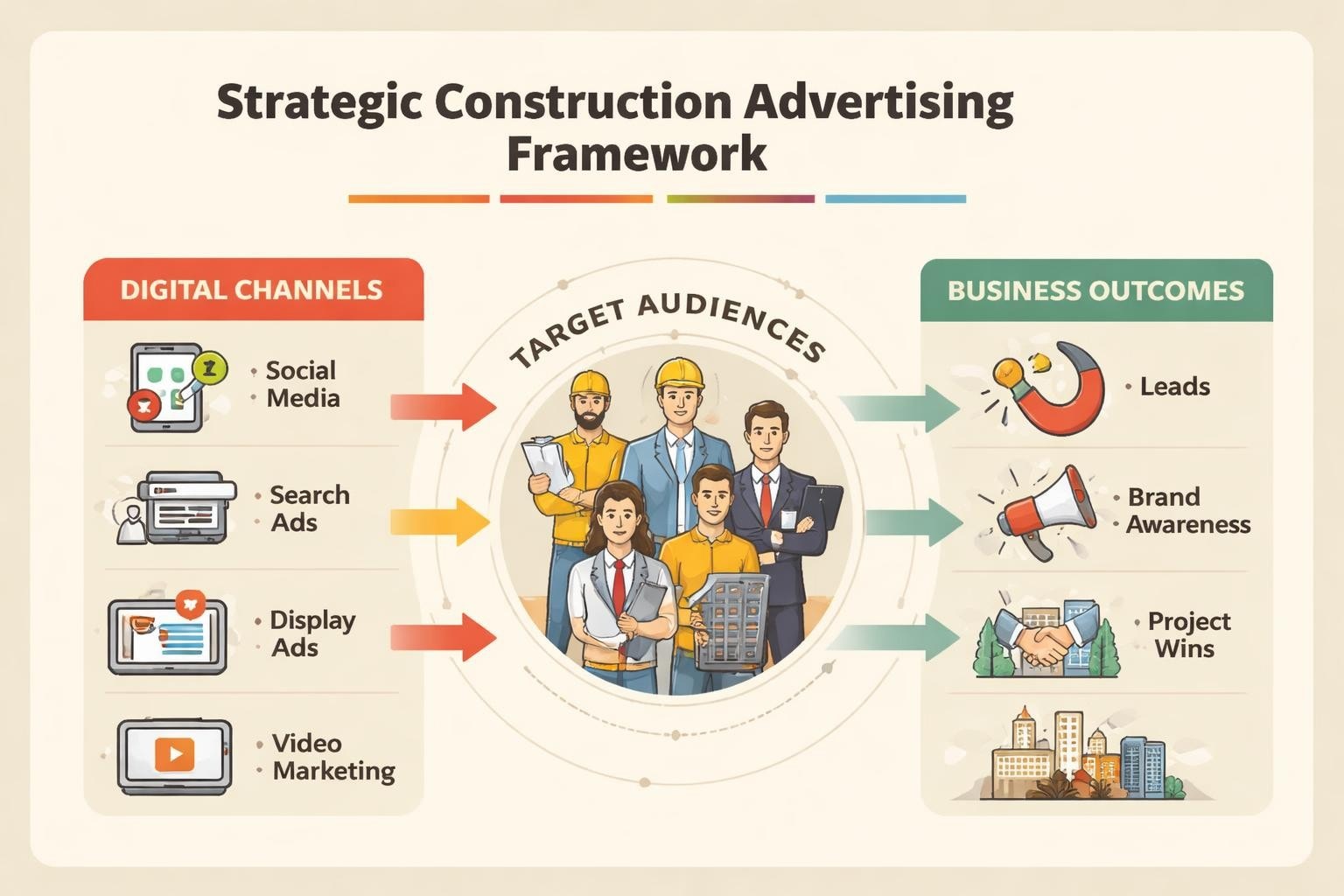
The construction industry has undergone a dramatic transformation in how companies reach potential clients and showcase their expertise. Gone are the days when word-of-mouth referrals and local newspaper ads were sufficient to maintain a healthy project pipeline. Today’s construction advertising requires a sophisticated blend of digital strategies, authentic storytelling, and data-driven targeting to stand out in an increasingly competitive marketplace. Companies that embrace modern marketing techniques while maintaining genuine connections with their audience position themselves for sustainable growth and long-term success.
Understanding the Construction Advertising Landscape
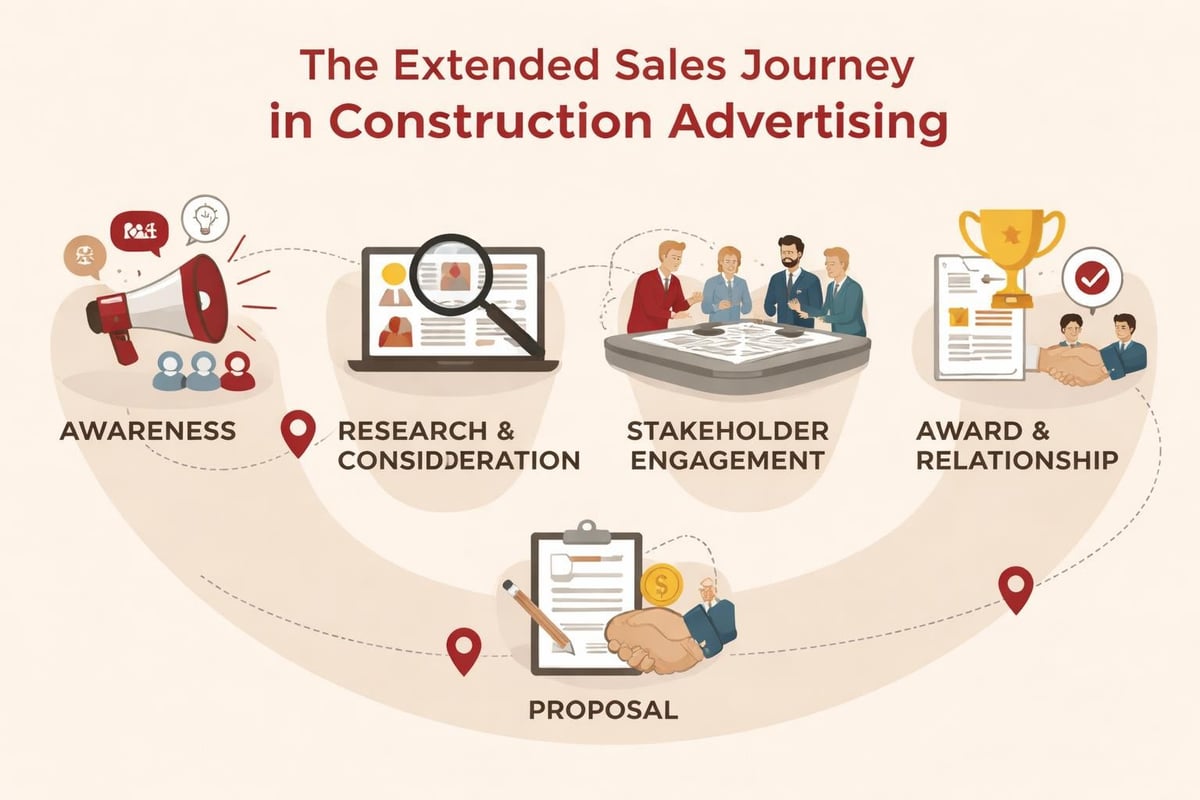
Construction advertising operates in a unique environment where purchase decisions involve substantial financial commitments and extended timelines. Unlike consumer products that rely on impulse purchases, construction services demand trust, credibility, and demonstrated expertise. Marketing strategies must address multiple decision-makers, from property owners and developers to architects and project managers, each with distinct priorities and concerns.
The industry’s shift toward digital platforms has created unprecedented opportunities for construction firms to showcase completed projects, highlight specialized capabilities, and build relationships before formal proposals ever enter the picture. According to construction industry statistics, digital advertising effectiveness continues to grow, with companies allocating larger portions of their marketing budgets to online channels.
Key characteristics that define successful construction advertising include:
- Long sales cycles requiring sustained engagement
- Multiple stakeholders involved in decision-making processes
- High-value contracts demanding extensive due diligence
- Visual documentation of completed work as primary credibility indicators
- Regional focus with emphasis on local market knowledge
Digital Platforms Driving Construction Marketing Success
The construction sector has witnessed remarkable adoption of digital marketing channels that deliver measurable results. Social media platforms, search engines, and industry-specific websites have become essential components of comprehensive advertising strategies. Each platform serves distinct purposes and reaches different segments of the target audience.
Search Engine Marketing and SEO
Search engine visibility remains paramount for construction firms seeking qualified leads. Potential clients typically begin their research online, searching for specific services like “commercial general contractor Houston” or “custom home builder near me.” Strategic implementation of search engine optimization and paid advertising ensures construction companies appear when prospects actively seek their services.
Organic search optimization requires consistent content creation, technical website improvements, and local citation management. Companies that invest in long-term SEO strategies build sustainable visibility that generates leads without ongoing advertising costs.
Social Media Advertising Strategies
LinkedIn has emerged as particularly valuable for construction advertising, connecting companies with commercial developers, property managers, and business decision-makers. The platform’s professional context and targeting capabilities enable precise audience segmentation based on industry, job title, company size, and geographic location.
Instagram and Facebook serve different purposes, excelling at visual storytelling through project photography, time-lapse videos, and behind-the-scenes content. These platforms build brand awareness and demonstrate craftsmanship quality through compelling visual narratives. Developing an effective social media marketing strategy tailored to construction audiences requires understanding which platforms your ideal clients use and what content resonates most strongly.
| Platform | Primary Audience | Best Content Types | Key Metrics |
|---|---|---|---|
| Commercial decision-makers | Case studies, industry insights | Engagement rate, lead quality | |
| Residential clients, design professionals | Project photos, progress videos | Follower growth, story views | |
| Local community, residential prospects | Community involvement, testimonials | Reach, shares, conversions | |
| YouTube | Research-focused prospects | Project walkthroughs, tutorials | Watch time, subscriber growth |
Content Marketing That Builds Authority
Construction advertising achieves maximum impact when companies position themselves as industry authorities through valuable content. Educational resources, market insights, and project case studies demonstrate expertise while building trust with prospective clients. This approach aligns with emerging construction marketing trends that emphasize authentic connection over aggressive sales tactics.
Effective content formats for construction companies include:
- Detailed project case studies showcasing challenges, solutions, and results
- Educational blog posts addressing common client questions and concerns
- Video testimonials from satisfied clients describing their experience
- Market trend analysis demonstrating industry knowledge and foresight
- Technical guides explaining construction processes and methodologies
The most successful construction advertising campaigns integrate content marketing across multiple channels, reinforcing key messages through repetition and consistency. A project case study might begin as a blog post, transform into social media content, support email marketing campaigns, and ultimately enhance sales presentations.
Video Marketing Revolution in Construction
Video content has become indispensable in construction advertising, offering unmatched ability to showcase completed projects, demonstrate construction processes, and convey company culture. The medium’s power lies in its capacity to compress time, showing months of construction progress in minutes while highlighting technical expertise and attention to detail.
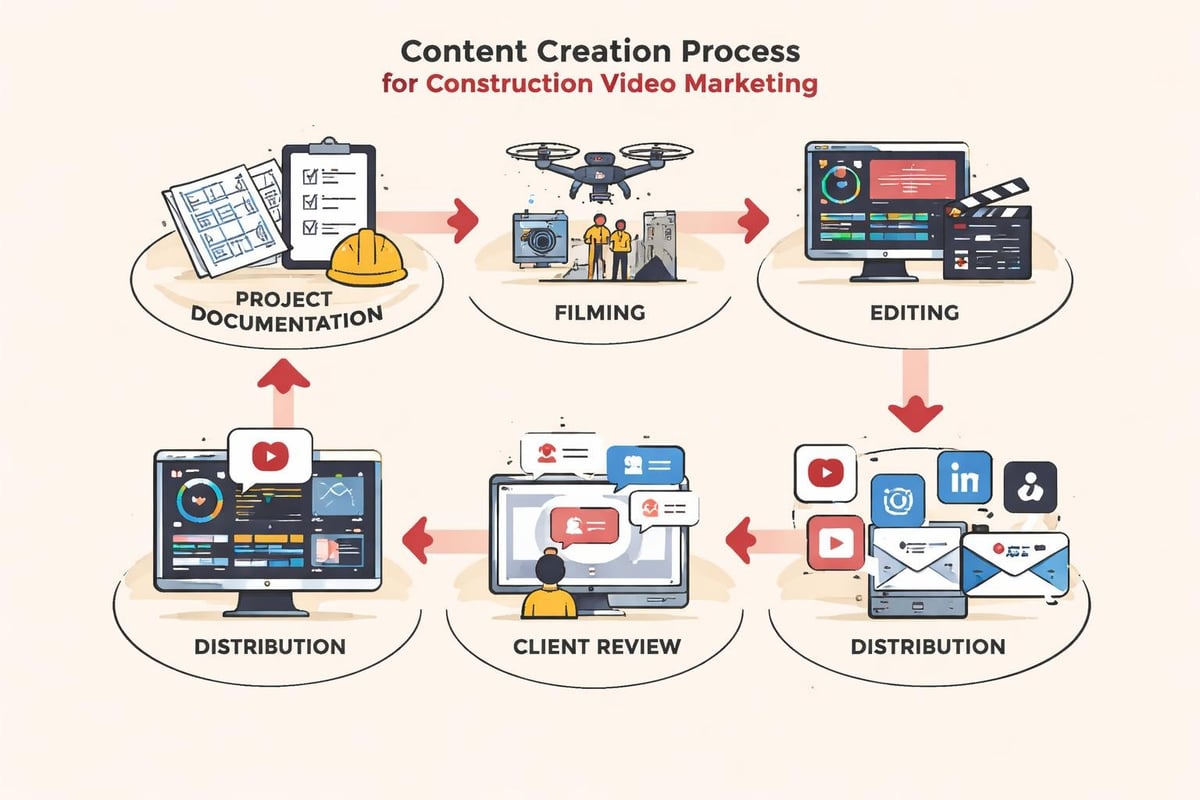
Drone footage provides dramatic aerial perspectives that traditional photography cannot match, while time-lapse videos transform lengthy construction timelines into compelling narratives. Client testimonial videos add authentic voices that written reviews cannot replicate, building emotional connections with prospects evaluating similar projects.
According to construction marketing insights, video marketing significantly increases engagement rates and helps construction companies differentiate themselves in crowded markets. Companies that consistently produce and share video content report higher inquiry rates and improved proposal success percentages.
Live Streaming and Virtual Tours
Emerging technologies enable construction firms to conduct live project walkthroughs, virtual open houses, and real-time progress updates. These interactive experiences engage prospects more deeply than static content, creating memorable impressions that influence future purchasing decisions. Live streaming also demonstrates transparency and builds confidence in construction quality and project management capabilities.
Targeted Advertising Campaigns That Convert
Precision targeting separates effective construction advertising from wasted marketing spend. Modern digital platforms offer sophisticated audience segmentation tools that ensure advertising messages reach decision-makers most likely to require construction services. Geographic targeting focuses budgets on serviceable areas, while demographic and behavioral filters refine audiences based on job function, company size, and online behavior.
Pay-per-click advertising through Google Ads and social media platforms delivers immediate visibility while organic strategies gain traction. Successful PPC campaigns for construction companies require careful keyword selection, compelling ad copy, and landing pages designed specifically for conversion.
Critical elements of high-performing construction advertising campaigns:
- Clear value propositions addressing specific client pain points
- Visual proof through project photography and credentials
- Specific calls-to-action guiding prospects toward next steps
- Mobile-optimized landing pages and contact forms
- Retargeting strategies maintaining visibility with previous website visitors
Companies should continuously test different messaging approaches, visual elements, and audience segments to identify combinations that generate optimal return on advertising investment. A/B testing headlines, images, and offers reveals preferences within target audiences, enabling ongoing campaign refinement.
Local Market Dominance Through Geographic Targeting
Most construction firms operate within defined geographic territories, making local market dominance a primary advertising objective. Regional construction advertising emphasizes community involvement, local project portfolios, and understanding of area-specific building codes, climate considerations, and architectural preferences. Working with a local marketing expert ensures campaigns resonate with regional audiences and leverage location-specific opportunities.
Google My Business optimization serves as the foundation for local construction advertising, ensuring companies appear in map results and local search queries. Consistent business information across online directories, positive review accumulation, and regular posts about completed local projects strengthen local search visibility.
Community sponsorships, local event participation, and partnerships with regional suppliers reinforce local connections while generating advertising opportunities. These activities provide content for social media, demonstrate community commitment, and create networking opportunities with potential clients and referral sources.
Measuring Construction Advertising Performance
Effective construction advertising requires rigorous performance measurement and continuous optimization based on data insights. Unlike short-cycle consumer purchases, construction marketing attribution spans months or years from initial contact to project award. Sophisticated tracking systems monitor prospect journeys across multiple touchpoints, revealing which advertising channels and messages contribute most significantly to revenue generation.
| Metric Category | Key Performance Indicators | Measurement Tools | Target Benchmarks |
|---|---|---|---|
| Website Performance | Visitors, page views, time on site | Google Analytics | 3+ min average session |
| Lead Generation | Form submissions, phone calls, chat inquiries | CRM integration, call tracking | 2-5% conversion rate |
| Engagement | Social media interactions, video views | Platform analytics | 3-5% engagement rate |
| Conversion | Proposal requests, contract signatures | Sales pipeline tracking | 20-30% close rate |
Companies should establish clear definitions for marketing qualified leads versus sales qualified leads, ensuring sales and marketing teams align on prospect quality standards. Regular reporting reviews identify trends, successes, and opportunities for improvement while maintaining accountability for advertising investments.
Reputation Management and Social Proof
Construction advertising effectiveness depends heavily on company reputation and demonstrated client satisfaction. Online reviews, testimonials, and case studies serve as powerful social proof that influences prospect decision-making. Proactive reputation management includes soliciting reviews from satisfied clients, responding professionally to feedback, and showcasing success stories across marketing channels.
Third-party validation through industry awards, certifications, and association memberships adds credibility to advertising claims. These credentials differentiate qualified contractors from less established competitors while providing content for advertisements, proposals, and website copy. Strategic online branding presents these credentials consistently across all digital touchpoints.
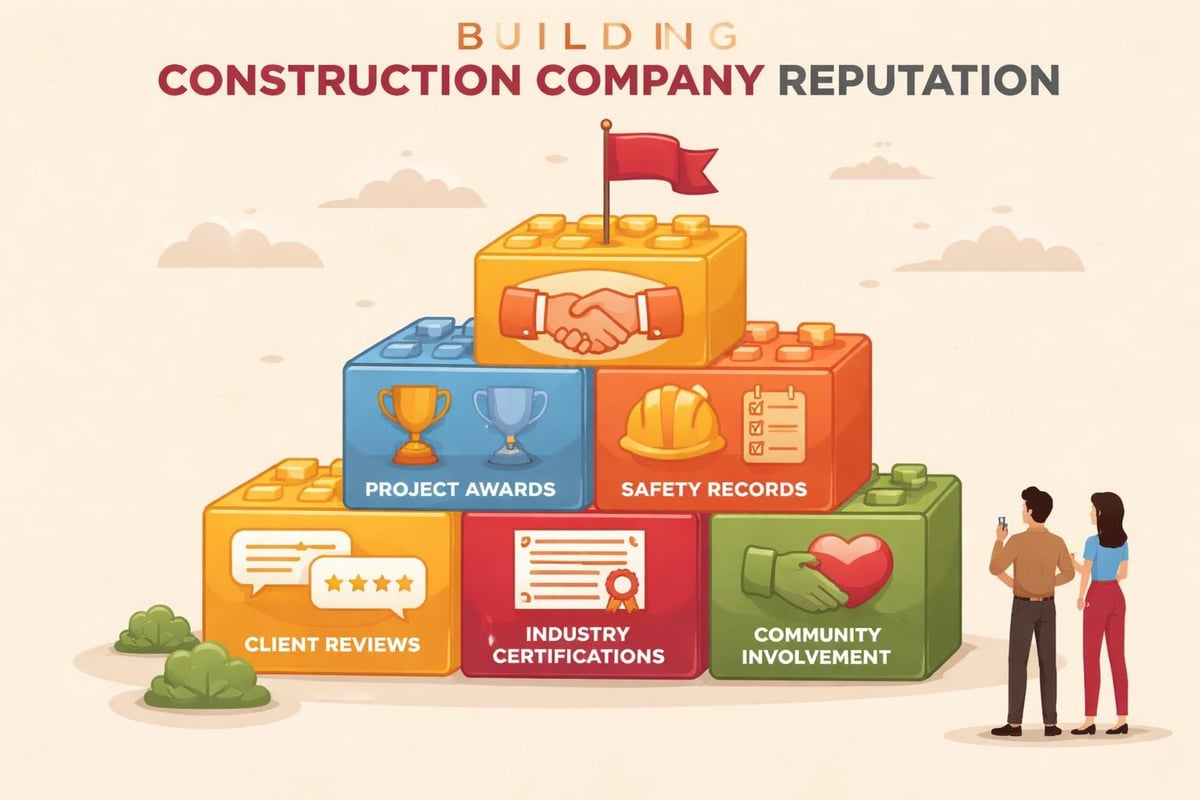
Before-and-after project photography, detailed case studies explaining challenges and solutions, and client video testimonials transform abstract claims into concrete evidence. The most compelling construction advertising shows rather than tells, letting visual proof and client voices speak to company capabilities and service quality.
Emerging Technologies Shaping Future Strategies
Forward-thinking construction firms explore emerging technologies that enhance advertising effectiveness and client experiences. Virtual reality and augmented reality applications enable prospects to visualize completed projects before construction begins, addressing one of the industry’s primary sales challenges. These immersive technologies differentiate innovative companies from traditional competitors while providing memorable brand experiences.
According to digital marketing trends analysis, construction companies increasingly adopt virtual and augmented reality for marketing purposes, particularly in residential and commercial development marketing. These technologies bridge the gap between architectural renderings and completed reality, helping clients make confident decisions.
Artificial intelligence tools streamline content creation, audience targeting, and campaign optimization. Chatbots provide immediate responses to website visitors, qualifying leads and answering common questions outside business hours. Predictive analytics identify patterns in successful campaigns, informing future strategy development and budget allocation decisions.
Industry-Specific Advertising Considerations
Different construction sectors require tailored advertising approaches reflecting unique client priorities and decision processes. Residential construction advertising emphasizes aesthetic appeal, lifestyle benefits, and emotional connections to home. Commercial construction marketing focuses on technical capabilities, budget adherence, and schedule reliability. Infrastructure and industrial projects highlight safety records, regulatory compliance, and specialized equipment or expertise.
Understanding these distinctions enables more effective messaging, appropriate platform selection, and relevant content creation. A luxury custom home builder’s Instagram strategy differs dramatically from a commercial general contractor’s LinkedIn approach, though both constitute legitimate construction advertising strategies. Evaluating your digital marketing services through the lens of your specific construction niche ensures resources support appropriate tactics.
Specialized construction segments and their advertising priorities:
- Residential construction – Visual appeal, lifestyle imagery, financing options
- Commercial construction – Case studies, technical certifications, project scale
- Industrial construction – Safety statistics, specialized capabilities, regulatory compliance
- Infrastructure – Public benefit messaging, community impact, long-term value
- Renovation and remodeling – Transformation stories, minimal disruption, budget efficiency
Integration With Traditional Marketing Methods
While digital channels dominate modern construction advertising, integrated campaigns incorporating traditional methods often achieve superior results. Trade show participation provides face-to-face networking opportunities and demonstrates company scale through booth presence. Print advertising in industry publications reaches decision-makers during focused reading time, complementing digital touchpoints.
Direct mail campaigns targeting specific developments or geographic areas cut through digital noise with tangible, personalized communications. Vehicle wraps transform company trucks into mobile billboards, building local brand recognition through consistent visibility. The most effective construction advertising strategies leverage both digital precision and traditional impact, creating multiple touchpoints that reinforce brand messages.
Strategic integration ensures consistent messaging across all channels while optimizing each medium’s unique strengths. A comprehensive marketing campaign might use direct mail to introduce capabilities, digital advertising to maintain visibility, content marketing to demonstrate expertise, and sales outreach to close opportunities.
Successful construction advertising in 2026 requires sophisticated digital strategies, authentic storytelling, and consistent execution across multiple channels that build trust while demonstrating measurable expertise. Red Van Creative brings over 25 years of marketing experience to construction companies seeking to strengthen their market position and generate qualified leads through integrated digital strategies. Our Houston-based team understands the unique challenges construction firms face and develops customized advertising approaches that deliver authentic results. Partner with Red Van Creative to build marketing systems that support your growth objectives and connect you with ideal clients.