

In the ever-expanding digital landscape, standing out is more challenging than ever. With so much competition and clutter online, branding in digital marketing is the essential key to making your business memorable and trustworthy.
A strong brand shapes how customers see you and builds lasting loyalty. In 2026, mastering branding in digital marketing means understanding the strategies that set top brands apart.
This guide delivers actionable steps, expert insights, and proven techniques for building a resilient, future-ready brand. Ready to take your branding in digital marketing to the next level? Dive in and start building a brand that thrives in the digital world.
Understanding Branding in the Digital Marketing Landscape
In today’s hyper-connected environment, branding in digital marketing is more than a visual identity. It is the sum of every interaction, message, and experience a customer has with your business. As we transition into 2026, understanding how branding shapes digital marketing strategies is essential for building a resilient and memorable brand.
Defining Branding in 2026
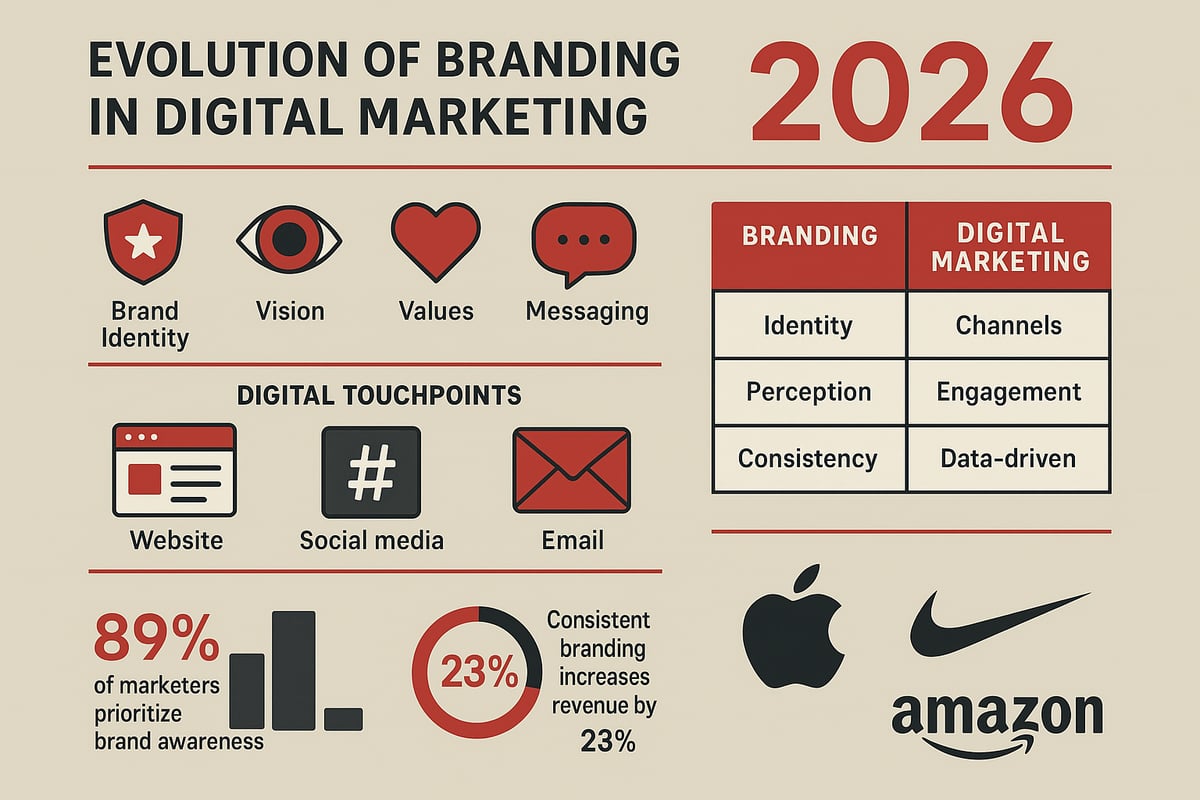
Branding in digital marketing in 2026 means much more than a logo or catchy slogan. It encompasses a company’s identity, values, vision, messaging, and the total customer experience. With rapid digital transformation, branding has evolved into a holistic concept, blending both online and offline touchpoints seamlessly.
Brands like Apple set the standard by delivering a unified digital brand experience, from website to app to retail store. Nike’s omnichannel strategy ensures customers encounter consistent values and messages wherever they interact. According to a 2024 HubSpot study, 89% of marketers say brand awareness is their top goal, highlighting the growing importance of branding in digital marketing today.
The Role of Branding in Digital Marketing
Branding in digital marketing acts as the foundation for every other strategy. It defines the direction for content, social media, SEO, and paid campaigns. A strong brand strategy guides how messages are crafted and delivered, ensuring each digital marketing effort aligns with the company’s core identity.
Consistency is vital. When branding remains uniform across all digital channels, from social media to email campaigns, it builds recognition and trust. For example, healthcare brands that align their digital marketing with patient-focused values see stronger engagement and loyalty. Every tweet, blog post, or ad should reflect the brand’s mission and voice.
A well-implemented branding in digital marketing strategy not only attracts attention but also fosters customer loyalty. By integrating brand values into every campaign, companies create a cohesive presence that resonates with audiences and stands out in the crowded digital space.
Key Elements of a Digital Brand
The essential elements of branding in digital marketing include visual identity, brand voice, mission, and digital assets. Visual identity covers logos, color palettes, typography, and imagery, creating instant recognition. Brand voice and messaging define the tone, language, and storytelling style, shaping how audiences perceive the brand.
Mission, vision, and core values must be woven into every digital communication, from website copy to social media bios. Digital assets—such as websites, social media profiles, and email templates—form the foundation for consistent brand experiences. Amazon is a prime example, maintaining cohesive branding across its vast digital ecosystem.
For deeper insights into why consistency matters, explore The power of brand consistency. Consistent branding in digital marketing can increase revenue by up to 23%, making it a critical strategy for long-term growth.
| Key Brand Elements | Description | Example |
|---|---|---|
| Visual Identity | Logos, colors, typography, imagery | Amazon |
| Brand Voice | Tone, language, storytelling | Nike |
| Mission & Values | Core beliefs and vision in digital content | Apple |
| Digital Assets | Websites, social, email templates | Starbucks |
Branding vs. Digital Marketing: What’s the Difference?
Branding in digital marketing serves as the roadmap, while digital marketing acts as the vehicle driving your message. Branding sets the vision, values, and positioning that inform all campaigns. Digital marketing then amplifies these elements through targeted channels and tactics.
The distinction is clear: branding in digital marketing is about building a lasting identity, whereas digital marketing focuses on executing campaigns and driving short-term results. Both are interdependent. Without strong branding, digital marketing lacks direction. Without digital marketing, even the best brand may struggle to reach its audience.
Together, they form the backbone of long-term business success in the digital age.
Step-by-Step Guide to Building a Strong Digital Brand in 2026
Building a future-ready digital brand requires a structured, strategic approach. In this section, we break down the essential steps every business should follow to establish impactful branding in digital marketing for 2026 and beyond.
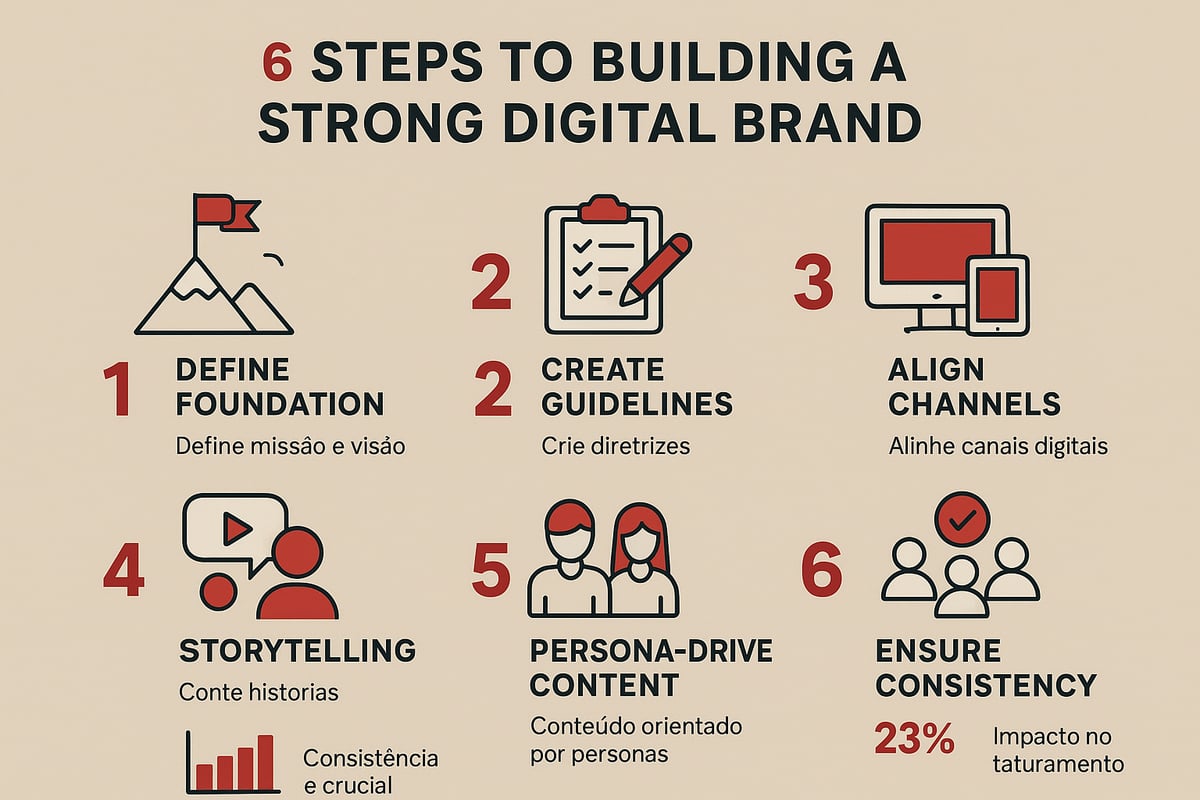
Step 1: Define Your Brand Foundation
Start by clarifying your mission, vision, and core values. These elements are the heart of your brand and guide all branding in digital marketing efforts. Develop a unique brand positioning and articulate your unique selling proposition (USP), ensuring you stand out in a crowded digital world.
Create detailed brand personas that reflect your ideal customers. These personas help tailor your messaging and digital presence for maximum relevance and engagement. For instance, Tesla’s foundation is rooted in innovation and sustainability, which is reflected in every touchpoint.
A comprehensive approach to defining your brand, as shown in the Building a strong brand approach case study, demonstrates the power of aligning foundational elements with digital strategy. This step lays the groundwork for a resilient, memorable digital brand.
Step 2: Develop Comprehensive Brand Guidelines
Establish clear, accessible guidelines to ensure consistency across all branding in digital marketing activities. Your brand guidelines should cover:
| Element | Details |
|---|---|
| Visual Identity | Logo, color palette, typography, imagery |
| Messaging | Voice, tone, tagline, key narratives |
| Digital Guidelines | Website, social, email, digital ads |
| Compliance | ADA, FTC, privacy regulations |
Legal and compliance considerations are crucial, especially for accessibility and transparency. Brands with clear guidelines are three times more likely to maintain consistency, leading to stronger recognition and trust.
Regularly update your guidelines as your brand evolves. Documenting these standards empowers every team member to communicate your brand with clarity and confidence.
Step 3: Align Digital Channels with Your Brand
Choose digital channels that best reach your target audience. Adapt your brand assets for each platform, ensuring your branding in digital marketing is cohesive and recognizable everywhere.
Focus on delivering a unified user experience, from your website and SEO to social media and email campaigns. Each touchpoint should reinforce your brand identity and messaging. Starbucks, for example, ensures a seamless brand experience from its mobile app to social platforms, building loyalty and trust.
Consistent brand presentation can increase revenue by up to 23 percent. Regular audits and updates help maintain alignment across rapidly evolving digital channels.
Step 4: Craft and Share Compelling Brand Stories
Storytelling is a powerful tool for branding in digital marketing. Share your brand’s origins, mission, and values in a way that connects emotionally with your audience.
Customize stories for each platform—use video for YouTube, short posts for social media, and in-depth articles for your blog. Leverage interactive media like podcasts or live streams to deepen engagement.
For example, Fiat’s YouTube campaign used storytelling to boost brand awareness by 23 percent. Effective stories create memorable experiences, making your brand stand out in the digital landscape.
Step 5: Engage Your Audience with Persona-Driven Content
Develop content strategies based on detailed customer personas and their unique journeys. Data-driven insights allow you to personalize messaging and offers, making your branding in digital marketing more impactful.
Empathy and relevance are key. Craft content that addresses real needs and pain points. Healthcare brands, for instance, use patient personas to create targeted campaigns that educate and build trust.
Regularly review your personas and update content strategies to reflect changing audience behaviors and preferences. Personalization fosters loyalty and drives long-term brand growth.
Step 6: Ensure Consistency and Collaboration
Maintain consistency by fostering collaboration between branding and marketing teams. Schedule regular reviews of your brand guidelines to ensure alignment across all branding in digital marketing touchpoints.
Implement systems to monitor brand consistency, such as checklists or automated tools. Large organizations often assign brand managers to oversee unified branding across multiple locations and channels.
Consistent collaboration ensures that every digital asset, from ads to social posts, reflects your brand’s identity and values. This unified approach builds credibility and trust with your audience.
Building Brand Trust and Managing Online Reputation
Establishing trust is at the heart of successful branding in digital marketing. In 2026, consumers are more informed, connected, and discerning than ever. With every brand just a click away, earning and maintaining trust is not only about what you say, but how you act online.
The Importance of Brand Trust in 2026
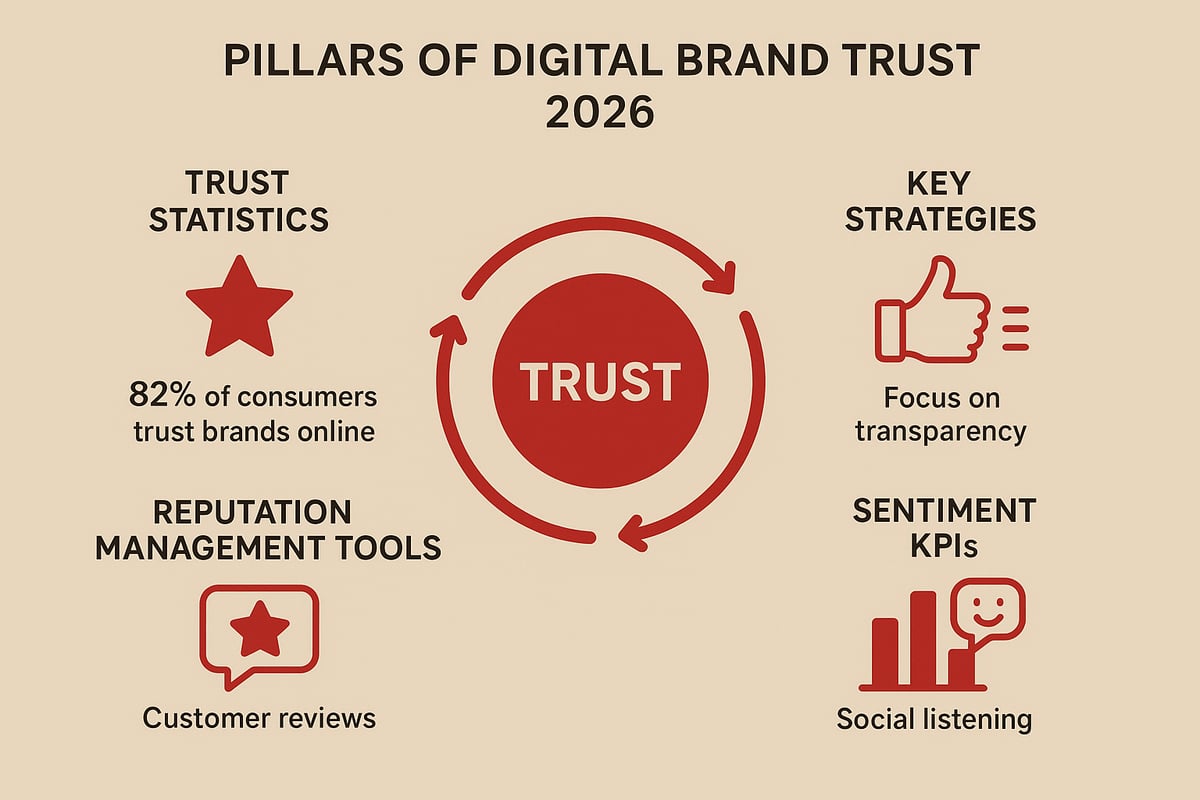
Trust has become the foundation for customer loyalty and advocacy in branding in digital marketing. In a world saturated with choices, consumers gravitate toward brands they believe in. According to the Edelman Trust Barometer 2024, 81% of consumers say they need to trust a brand before making a purchase.
Digital transparency and authentic communication drive this trust. Brands that openly address social issues, share behind-the-scenes stories, or admit mistakes publicly foster deeper connections with their audiences. For example, companies that respond to customer concerns on social media in real time signal that they value transparency.
The importance of trust is amplified by the constant evolution of digital touchpoints. As highlighted in Digital Branding Statistics for 2025, brands that prioritize trust and experience see better engagement and retention.
In branding in digital marketing, trust is no longer a bonus but a necessity for long-term growth.
Strategies for Building and Maintaining Trust
To build enduring trust, brands must consistently deliver on promises across all digital channels. Consistency is crucial in branding in digital marketing, whether it is messaging, service quality, or visual identity.
Transparent communication is vital. Brands should proactively address questions, share updates, and explain changes openly. Providing timely, empathetic customer service demonstrates genuine care.
Leveraging user-generated content, such as reviews and testimonials, adds credibility. Positive reviews increase purchase likelihood by 68% (BrightLocal). Brands that acknowledge and resolve negative feedback publicly are seen as more trustworthy.
Effective branding in digital marketing also means aligning brand actions with stated values. Consumers expect brands to lead with purpose, not just profit. By showing real impact and engaging with communities, companies strengthen their reputation and relationships.
Online Reputation Management Techniques
Reputation management is a continuous process in branding in digital marketing. Monitoring online mentions, reviews, and social conversations allows brands to stay ahead of potential issues.
Popular tools include Google Alerts, ReviewTrackers, and social listening platforms. These enable real-time monitoring and rapid response to both praise and criticism. Brands can also create crisis management protocols to address negative publicity quickly and constructively.
Running positive PR campaigns and collaborating with trusted influencers help shape public perception. For instance, responding to a trending issue or launching an influencer-led campaign can boost positive sentiment.
A table summarizing key reputation management tools:
| Tool | Purpose | Benefit |
|---|---|---|
| Google Alerts | Brand mentions | Free, real-time notifications |
| ReviewTrackers | Review aggregation | Centralizes feedback |
| Social Listening | Social conversations | Rapid response, trend spotting |
Proactive reputation management is essential for strong branding in digital marketing.
Measuring Brand Sentiment and Engagement
Measuring sentiment and engagement provides actionable insights for branding in digital marketing. Key performance indicators include sentiment analysis, engagement rates, and Net Promoter Score (NPS).
Brands should track references and tone across all platforms. Tools like sentiment analysis software can identify shifts in perception, enabling brands to address concerns or amplify strengths quickly.
Engagement metrics, such as likes, shares, and comments, reveal how audiences interact with content. Analyzing these trends helps refine reputation strategies and content approaches.
For example, brands that adjust campaigns based on real-time sentiment data see improved customer satisfaction and loyalty. Regular measurement ensures that branding in digital marketing remains agile and effective, building trust with every interaction.
Content Marketing and SEO: Fueling Digital Brand Growth
Content marketing and SEO are the engines that drive branding in digital marketing forward. In 2026, brands must deliver value, build authority, and engage audiences across numerous digital channels. When content and SEO strategies are closely aligned with your brand, you create a cohesive presence that attracts, educates, and retains customers.
Role of Content Marketing in Brand Building
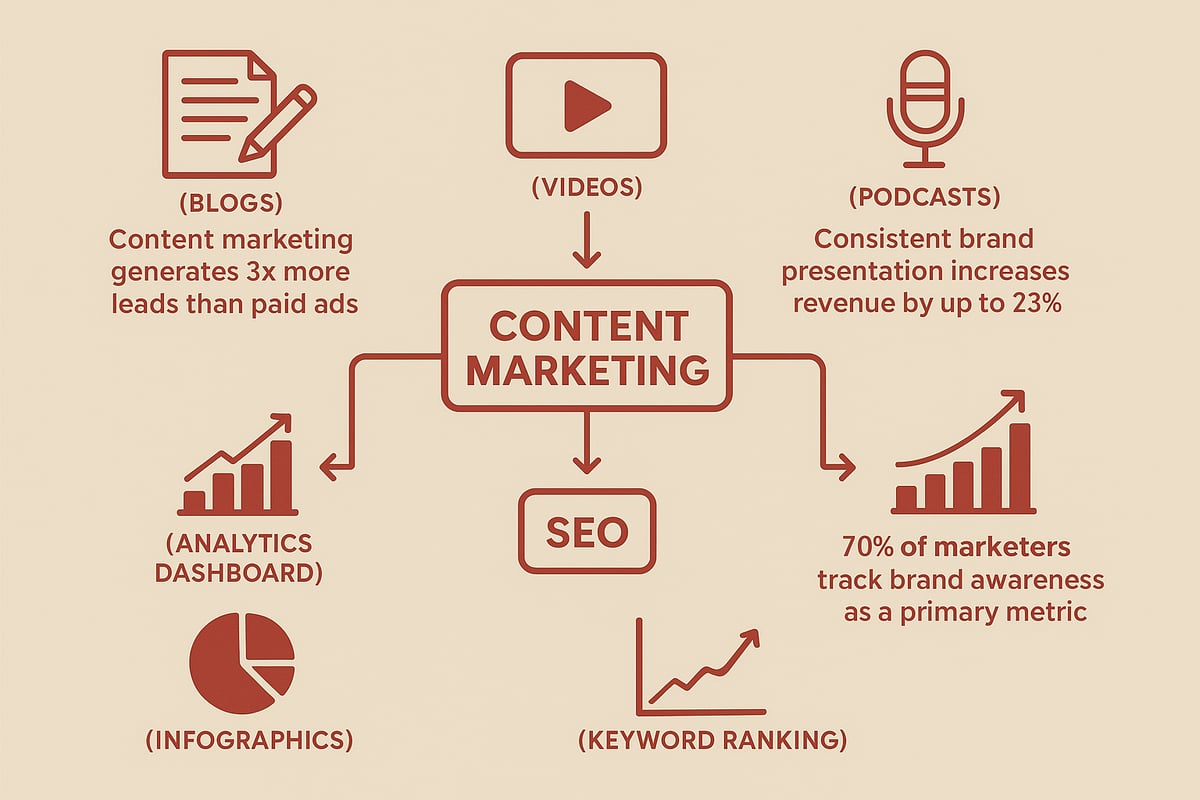
Content marketing is the storytelling powerhouse behind branding in digital marketing. By consistently publishing valuable content, you shape perceptions, foster loyalty, and position your brand as a thought leader. Brands that educate, entertain, and inspire through their content build stronger relationships with audiences.
Types of content that fuel brand growth include:
- Blog articles that address customer pain points
- Engaging videos and live streams
- Podcasts that share expert insights
- Infographics that visualize complex data
- Newsletters and email campaigns
A strategic approach to content ensures your messaging reflects your brand voice and values. For example, HubSpot’s blog and resources have established the company as a leader in inbound marketing. According to the Content Marketing Institute, content marketing generates three times more leads than paid ads, demonstrating its vital role in branding in digital marketing.
Integrating Branding with SEO
To maximize branding in digital marketing, brands must weave their identity into every aspect of their SEO strategy. This means using branded keywords, consistent messaging, and a unified visual identity across all digital touchpoints. Optimizing website metadata, structuring content for user intent, and ensuring mobile responsiveness all reinforce brand trust.
Key tactics for integrating branding with SEO include:
- Incorporating branded terms in page titles and meta descriptions
- Creating content clusters around brand pillars
- Building backlinks from reputable, brand-aligned sources
- Leveraging local SEO to reflect brand values in map listings
For a comprehensive approach, explore Online marketing and digital strategies to see how leading brands merge branding with digital execution. Consistency across SEO efforts not only boosts rankings but also strengthens your brand’s credibility and recognition in every search interaction.
Measuring Content and SEO Success
Tracking the impact of branding in digital marketing requires clear metrics. Brands should monitor both qualitative and quantitative indicators to understand how content and SEO efforts fuel growth.
Key performance indicators (KPIs) include:
- Organic website traffic
- Keyword rankings for branded and non-branded terms
- Time on site and bounce rates
- Conversion rates
- Brand mentions and share of voice in search results
Regular analysis enables brands to refine strategies, optimize content, and measure how well branding in digital marketing is resonating with target audiences.
Case Studies: Successful Content-Driven Brands
Several brands have mastered branding in digital marketing through content and SEO. Fiat’s YouTube campaign, for instance, led to a 230 percent increase in search volume and significant brand lift. Healthcare organizations use educational blogs and videos to build trust and authority with patients.
E-commerce brands stand out by creating unique content, such as buying guides and product stories, that differentiate them from competitors. These success stories demonstrate that consistent, persona-driven content is the foundation of winning branding in digital marketing for 2026.
Leveraging Social Media and Omnichannel Strategies for Branding
In 2026, leveraging social media and omnichannel strategies is vital for effective branding in digital marketing. As digital platforms multiply and consumer interactions become more fragmented, brands must create seamless, memorable experiences across channels to stay relevant and build trust.
Social Media’s Role in Digital Branding
Social media remains the heartbeat of branding in digital marketing. Platforms like Facebook, Instagram, X, LinkedIn, and TikTok now serve as primary stages for brands to engage, listen, and respond to their audiences in real time. By building active communities, brands foster direct relationships, gather feedback, and humanize their presence.
The sheer scale and diversity of social channels require brands to tailor their messaging and visual identity for each audience segment. Brands that leverage social listening tools can quickly adapt strategies, turning insights into impactful campaigns. For instance, responding to customer feedback on social platforms not only demonstrates care but also boosts brand advocacy. According to the Digital 2026: Global Overview Report, over 60% of global consumers interact with at least one brand on social media weekly, highlighting the necessity for strong branding in digital marketing across these platforms.
Moreover, positive interactions on social media increase the likelihood of recommendations. Data reveals that 71% of consumers are more likely to recommend brands with meaningful social engagement. This underlines why integrating branding in digital marketing with social media strategies is crucial for long-term loyalty and visibility.
Creating Consistent Omnichannel Brand Experiences
Omnichannel strategies are redefining branding in digital marketing by ensuring every customer touchpoint feels unified, no matter the platform. Whether a customer interacts via a website, email, social feed, or physical store, the brand’s visuals, messaging, and values should remain unmistakable.
Brands achieve this by coordinating campaigns across channels and tailoring experiences with automation and CRM tools. Personalization at scale is now possible, enabling brands to deliver contextually relevant messages that resonate with individual preferences. For example, leading retail brands synchronize online and offline campaigns to offer seamless experiences, driving both engagement and conversions.
For brands seeking to elevate their omnichannel presence, exploring experience branding insights can provide valuable strategies for crafting memorable, cohesive interactions. Consistency across touchpoints not only reinforces identity but also builds trust, making branding in digital marketing more resilient to changing consumer behaviors.
E-Commerce and Digital Branding Strategies
In the competitive world of e-commerce, branding in digital marketing is a powerful differentiator. A strong brand identity helps online stores stand out, foster trust, and drive conversions. Elements such as unique brand voices, consistent visuals, and transparent values are essential in making products memorable.
Shopify stores, for example, excel by developing distinctive branding that speaks directly to their target audiences. Data from Nielsen shows that 59% of shoppers prefer to buy from brands they recognize, emphasizing the importance of recognizable branding in digital marketing for e-commerce success.
Measuring Social and Omnichannel Branding Success
To refine branding in digital marketing, brands must monitor key performance indicators across all digital channels. On social media, metrics like engagement, reach, sentiment, and share of voice reveal how audiences perceive and interact with the brand. For omnichannel efforts, mapping customer journeys and using attribution modeling help pinpoint which touchpoints drive conversions and loyalty.
By leveraging data, brands can optimize strategies, ensuring every channel contributes to a cohesive and effective branding in digital marketing approach.
Future-Proofing Your Brand: Trends and Innovations for 2026
Staying competitive with branding in digital marketing requires a proactive approach to future trends. As technology, consumer preferences, and digital platforms evolve, brands must adapt quickly to remain relevant and trustworthy. This section explores the innovations and strategies needed to future-proof your brand in 2026.
Emerging Technologies Shaping Digital Branding
Emerging technologies are revolutionizing branding in digital marketing. Artificial intelligence enables hyper-personalized brand interactions, adapting content and messaging in real time. Augmented and virtual reality offer immersive experiences, allowing customers to engage with products and services in new ways. Blockchain technology increases transparency, helping brands build trust through verifiable authenticity.
Brands leveraging chatbots and AI-driven platforms are creating seamless, customized journeys for their audiences. According to the Evolution of Modern Branding, understanding these historical shifts is essential for preparing for the next wave of digital transformation. Companies that integrate these innovations into their branding in digital marketing strategies position themselves for leadership in 2026.
Adapting to Shifting Consumer Expectations
Consumer expectations are shaping the future of branding in digital marketing. People now demand ethical, purpose-driven brands that align with their values. Privacy concerns, calls for sustainability, and inclusivity are at the forefront of purchasing decisions. Brands must be transparent about their practices, actively support social causes, and demonstrate genuine commitment to positive change.
Data from Accenture reveals that 64% of consumers choose brands based on shared values. To remain competitive, brands should communicate their mission clearly and adapt messaging to reflect evolving cultural norms. Meeting these expectations is not just a trend, it is a necessity for effective branding in digital marketing.
Staying Ahead with Data-Driven Insights
Harnessing big data and advanced analytics is vital for future-proofing branding in digital marketing. Brands are now using predictive modeling to identify trends, optimize campaigns, and anticipate customer needs. Real-time data allows quick pivots in strategy, ensuring messaging stays relevant and effective.
The 2026 Digital Marketing Trends Report highlights how top marketers are using analytics to refine brand positioning and create more personalized experiences. By closely monitoring performance metrics, brands can continuously enhance their branding in digital marketing and maintain a competitive edge.
Continuous Brand Evolution and Learning
For lasting success, continuous evolution is central to branding in digital marketing. Agility and innovation help brands respond to market shifts and emerging technologies. Regularly updating brand assets, messaging, and guidelines ensures that the brand remains fresh and aligned with audience expectations.
Investing in ongoing education and training for teams is equally important. Brands that foster a culture of learning can quickly adopt new tools and best practices. This mindset enables organizations to refine their branding in digital marketing strategies and thrive amid digital disruption.
Case Studies: Brands Leading the Way in 2026
Several brands are setting new standards for branding in digital marketing by embracing innovation and agility. For example, global retailers are using AI-driven personalization and immersive AR experiences to engage customers. Tech companies are adopting blockchain solutions to enhance transparency and trust.
These pioneers show that integrating data, technology, and consumer-centric values is the path forward. By studying their successes, brands can draw actionable insights to inform their own branding in digital marketing strategies and secure their place in the digital marketplace.
As you look to elevate your brand in the digital marketplace of 2026, remember that authenticity, consistency, and a strategic approach are what set exceptional brands apart. At Red Van Creative, we’ve spent over 25 years helping businesses like yours forge genuine connections and lasting impressions through holistic digital marketing. If you’re ready to see what effective branding looks like in action, I encourage you to explore real-world results and creative solutions that deliver measurable impact. Take the next step and See Our Work / View Our Portfolio to discover how your brand can stand out and thrive.