
In 2026, brands must navigate a digital landscape filled with rapid changes, shifting consumer expectations, and fierce competition. Only those who adapt with agility and authenticity will thrive.
This brand on marketing guide is designed to help business leaders and marketers build meaningful connections, foster loyalty, and drive measurable growth. Inside, you will discover the foundational principles of brand on marketing, the latest trends shaping the industry, and proven strategies for multi-channel success.
Explore how data-driven personalization, emerging technologies, and resilient brand strategies can set your company apart. Ready to future-proof your brand on marketing efforts? Let’s chart your path to lasting success.
The Foundations of Brand Marketing in 2026
In 2026, the landscape for brand on marketing is more dynamic and competitive than ever. Brands must move beyond traditional tactics to build trust and meaningful relationships. Mastering the foundations of brand on marketing is now essential for standing out and achieving sustainable growth.
Defining Brand Marketing for the Modern Era
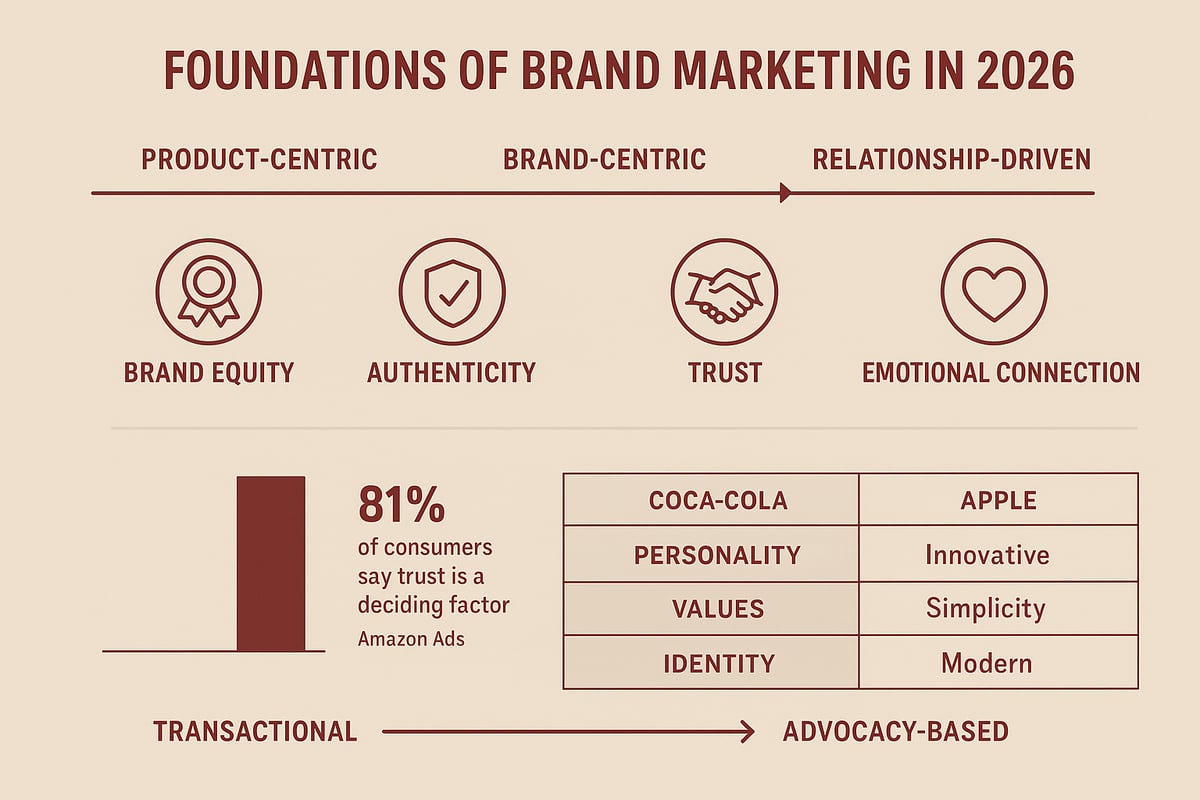
Brand on marketing has evolved from simply promoting products to building enduring connections with consumers. In the modern era, successful brands prioritize relationship-driven strategies, focusing on brand equity, authenticity, and trust as key differentiators.
Brand attributes play a pivotal role. Personality, values, and visual identity work together to shape how customers perceive and interact with a brand. Today, emotional connections drive consumer choices. According to Amazon Ads, 81% of consumers say trust is a deciding factor in their purchase decisions. This statistic highlights the significance of trust in brand on marketing.
Legacy brands such as Coca-Cola and Apple have thrived by adapting their marketing strategies. They moved from transactional relationships to encouraging customer advocacy. In saturated markets, differentiation is crucial. Brands must foster loyalty and advocacy, not just sales. By humanizing their voice and being transparent, brands strengthen trust and forge deeper emotional bonds.
The shift to brand on marketing also means that every interaction counts. Brands that consistently deliver on promises and values are more likely to convert customers into loyal advocates. The emphasis on authenticity and emotional resonance is more than a trend; it is a necessity for success in 2026.
Core Elements of a Successful Brand Strategy
Developing a robust brand on marketing strategy requires rigorous research and clear objectives. Understanding the market positioning and competitive landscape is the first step. Brands must define their audience through detailed personas and segmentation, reflecting evolving demographics.
Setting measurable goals—such as increasing awareness, reach, or loyalty—keeps strategies focused and results-driven. Crafting a cohesive brand identity, including logo, messaging, and tone, ensures the brand stands out. Consistency across all digital, print, and in-person touchpoints is vital. As explored in The power of brand consistency, maintaining a unified identity builds trust and drives financial results.
Brand guidelines provide a blueprint for how the brand should appear and communicate. Careful rollout planning guarantees that every team member and channel reflects the same brand on marketing standards. Measurement is equally important. Brands should track equity, loyalty, and financial impact using modern analytics tools.
A multi-faceted approach, grounded in research and reinforced by consistent execution, is key to thriving with brand on marketing. By prioritizing clarity, cohesion, and ongoing measurement, brands can build lasting relationships and achieve success in a crowded marketplace.
Emerging Trends Shaping Brand Marketing in 2026
Brands navigating 2026 are witnessing a transformation in how they connect with customers. The landscape is more dynamic than ever, with technology, personalization, and social engagement reshaping every aspect of brand on marketing. To stay ahead, marketers must understand and leverage these emerging trends.
The Rise of Omnichannel Experiences
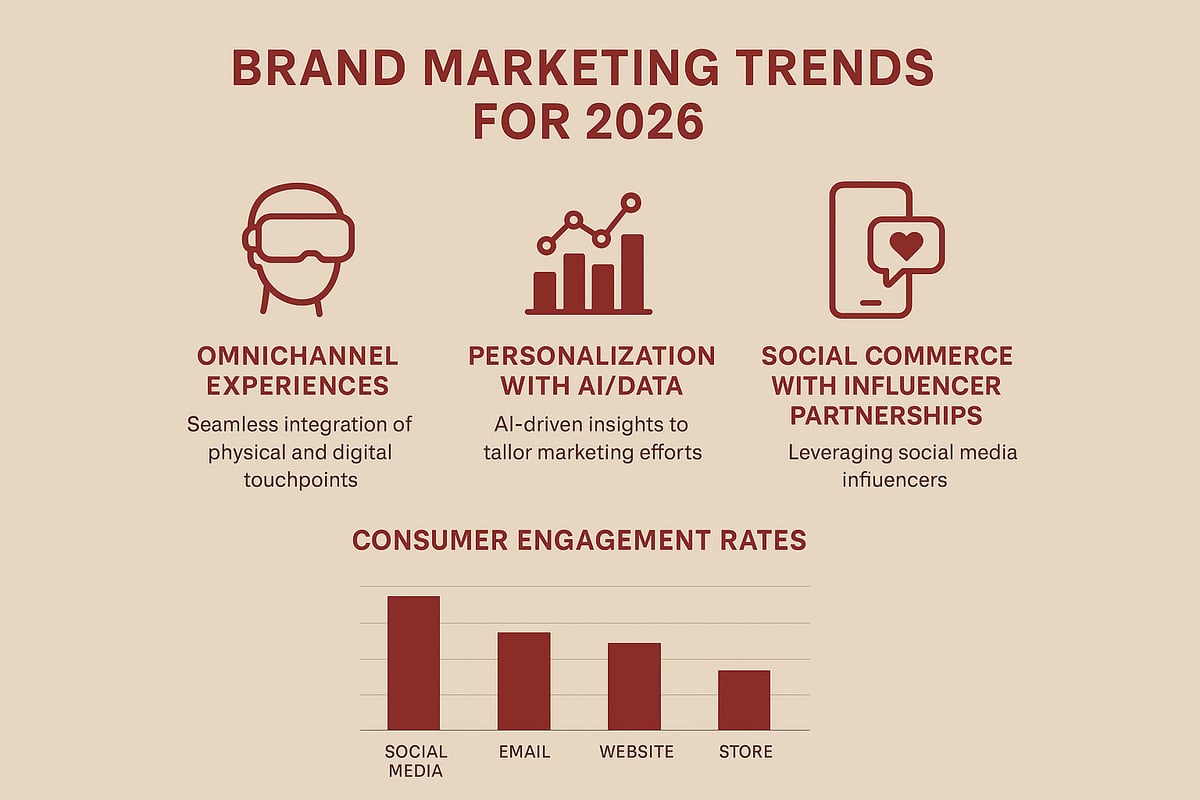
In 2026, seamless omnichannel strategies are essential for effective brand on marketing. Consumers expect brands to deliver a consistent experience whether they interact online, in-store, or at events. Integrating digital, physical, and experiential channels helps brands create a unified message that builds trust and recognition.
Retailers are using AR and VR to create immersive shopping experiences, allowing customers to visualize products in real time. A recent study found that 73% of consumers now use multiple channels during their buying journey, highlighting the need for brands to break down silos between touchpoints.
Best practices for omnichannel brand on marketing include:
- Maintaining consistent messaging and visuals across all platforms
- Leveraging technology to personalize and enhance in-person interactions
- Using data to track customer journeys and optimize each channel
For a deeper understanding of how omnichannel strategies drive customer loyalty, see how omnichannel marketing ensures seamless customer experience.
By mastering omnichannel approaches, brands can ensure that every interaction reinforces their identity and values.
Personalization and Data-Driven Marketing
Personalization is at the core of successful brand on marketing in 2026. With advances in AI and machine learning, brands now deliver tailored messages to micro-audiences, increasing relevance and engagement. Hyper-segmentation allows marketers to address individual preferences, behaviors, and purchase histories.
Dynamic content adapts in real time, making every interaction feel unique. However, consumers are more aware of privacy concerns, so ethical data usage is non-negotiable. Brands that prioritize transparency and security build deeper trust.
Leading tools for data-driven brand on marketing include:
- AI-powered analytics platforms for customer insights
- Automated segmentation tools for micro-targeting
- Privacy management software for compliance
Case studies show that personalized brand on marketing campaigns result in higher engagement and conversion rates. By balancing innovation with ethical considerations, brands can turn data into meaningful connections.
Social Commerce and Influencer Partnerships
Social commerce is reshaping brand on marketing by merging social engagement with direct sales. Platforms like Instagram, TikTok, and YouTube now offer integrated shopping features, making it easier for brands to reach consumers where they spend their time.
Authentic influencer collaborations have replaced traditional endorsements, putting trust and relatability at the forefront. User-generated content (UGC) builds credibility and encourages advocacy, especially for small businesses leveraging micro-influencers to expand their reach.
Key metrics for measuring social brand on marketing impact include:
- Engagement rates and shares on social platforms
- Conversion rates from influencer-driven campaigns
- Volume and sentiment of UGC
By tapping into social commerce and building genuine partnerships, brands can foster loyalty and amplify their presence in a competitive market.
Building a Future-Proof Brand: Step-by-Step Guide
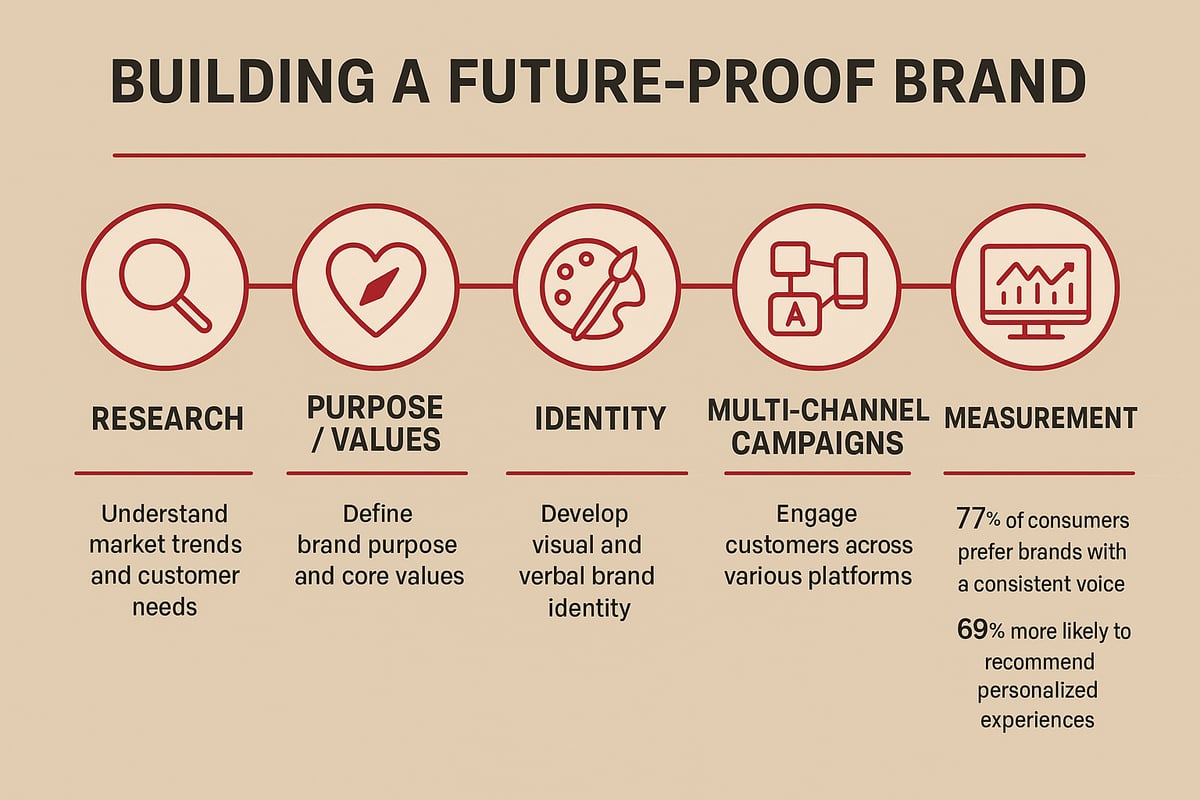
Building a resilient brand in 2026 requires a disciplined, strategic approach. The following step-by-step guide gives you practical tactics to master brand on marketing and future-proof your business in a dynamic environment.
Step 1: Conduct Deep-Dive Brand and Market Research
Begin by thoroughly analyzing your competitors and the overall market. Use advanced analytics tools to map out strengths, weaknesses, and untapped opportunities. Social listening platforms and customer surveys reveal audience needs, preferences, and pain points.
In 2026, trends shift quickly. Stay alert to cultural and industry changes that may impact brand on marketing efforts. AI-powered research platforms, focus groups, and real-time analytics are essential for gathering actionable insights.
With these findings, refine your positioning and messaging. This ensures your brand on marketing approach is grounded in data, not guesswork. Comprehensive research forms the foundation for every decision that follows.
Step 2: Define Your Brand Purpose, Values, and Messaging
A clear, compelling brand purpose sets you apart. Start by articulating a mission that resonates with both your team and your target audience. Align your core values with evolving social expectations, ensuring authenticity at every touchpoint.
Your messaging should reflect these values and build trust. Craft a brand story that connects emotionally and differentiates you in a saturated market. Brands that excel in brand on marketing, like Patagonia, succeed by leading with purpose-driven narratives.
For a real-world example of actionable steps, see how Building a strong brand with The Exercise Coach illustrates the impact of defining purpose and values on long-term success.
Step 3: Develop a Cohesive Visual and Verbal Identity
Visual and verbal consistency is critical for brand recognition. Develop a professional logo, choose a distinctive color palette, and select fonts that reflect your personality. Imagery should reinforce your values and appeal to your audience.
Equally important is your brand voice. Define the tone, language, and style you will use across digital and physical channels. Create detailed brand guidelines to ensure that every piece of content supports your brand on marketing strategy.
Adapt your identity for digital-first environments, ensuring clarity and impact across social media, websites, and apps. Consistency at every touchpoint fosters trust and loyalty.
Step 4: Plan and Execute Multi-Channel Campaigns
A successful brand on marketing strategy leverages the right mix of channels. Analyze where your audience spends time—social media, search engines, podcasts, or live events—and tailor your approach accordingly.
Develop a content plan that includes blogs, videos, webinars, and interactive experiences. Integrate paid advertising, such as PPC or display ads, for greater reach. Use a clear timeline and allocate resources to maximize campaign effectiveness.
Monitor performance in real time and be prepared to pivot. Effective brand on marketing connects with consumers at every stage of their journey, reinforcing your message across all platforms.
Step 5: Measure, Analyze, and Optimize
Measurement turns brand on marketing from guesswork into science. Set clear KPIs, such as brand awareness, engagement rates, conversions, and customer loyalty. Use analytics dashboards and attribution models to track results.
Test campaign elements iteratively. Gather customer feedback using surveys and reviews. Compare your metrics against industry standards to spot improvement areas.
A data-driven approach ensures your brand on marketing remains agile. Real-time insights enable you to refine strategies and capitalize on new opportunities. Make optimization a continuous process, embedding analytics into your culture for sustained growth.
Multi-Channel Brand Activation Strategies
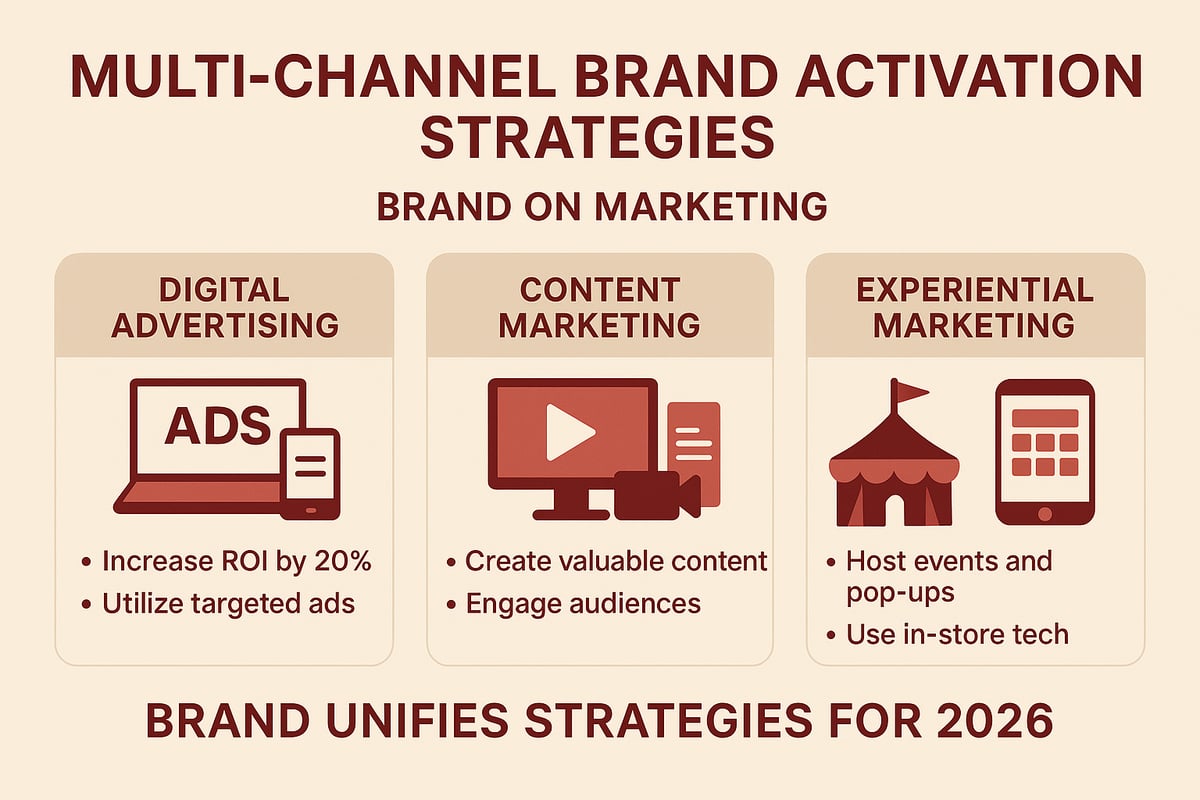
In 2026, activating your brand on marketing channels requires a unified, multi-faceted approach. Success is built on seamless integration across digital, content, and in-person experiences. Each channel offers unique opportunities to increase reach, deepen engagement, and drive measurable results.
Digital Advertising and Paid Media
Digital advertising remains a cornerstone for scaling brand on marketing initiatives. In 2026, brands leverage sponsored products, display ads, and video placements across platforms like Amazon Ads, Google, and Meta. Programmatic advertising enables precise audience targeting, ensuring each campaign reaches the most relevant consumers.
A balanced budget allocation maximizes ROI, allowing brands to test different ad types and optimize for performance. For example, a small retailer can use targeted paid ads to reach niche audiences and drive conversions quickly. Monitoring key metrics such as click-through rate and cost per acquisition is essential.
| Ad Type | Platform | Goal |
|---|---|---|
| Sponsored Products | Amazon | Product Visibility |
| Display Ads | Google, Meta | Awareness |
| Video Ads | YouTube, Meta | Engagement |
For a deeper understanding of how digital strategies enhance branding, explore Branding in digital marketing.
Content Marketing and Storytelling
Content marketing is vital for brand on marketing success. Brands craft valuable, shareable content to educate, inspire, and connect with audiences. Blogs, whitepapers, webinars, and live events build authority and foster community engagement.
Effective storytelling positions the brand as a leader in its field. Brands that consistently publish high-quality content see increased website traffic, higher engagement, and improved lead generation. Leveraging SEO best practices ensures content is discoverable and reaches the right audience.
Consider these content types for your strategy:
- Educational blogs and articles
- In-depth whitepapers and guides
- Interactive webinars and live Q&A sessions
- Community-driven events and forums
Measuring performance through analytics helps refine the approach, ensuring every piece supports long-term brand on marketing goals.
Experiential and In-Person Marketing
Experiential marketing brings brand on marketing to life through immersive, memorable interactions. Trade shows, pop-up events, and branded experiences allow consumers to engage directly with your brand. Blending digital elements, such as in-store tech or mobile apps, enhances these interactions and collects valuable data.
Retailers use technology to personalize experiences, making each customer feel valued. For example, in-store tablets can offer product recommendations or exclusive content, boosting satisfaction and loyalty. Collecting feedback from these engagements informs future campaigns and strengthens brand relationships.
Personalized, in-person moments build lasting loyalty and differentiate your brand on marketing strategy in a crowded marketplace. Focus on consistent messaging and seamless transitions between online and offline touchpoints to create a unified experience.
Measuring Success: Analytics and Brand Metrics in 2026
In the fast-paced world of brand on marketing, measuring success is more complex than ever. Brands must move beyond vanity metrics and focus on meaningful indicators that reveal the true impact of their efforts. With the right analytics, you can transform data into a strategic asset, guiding every decision for growth and resilience.
Key Metrics for Brand Health
Tracking the right metrics is vital for any brand on marketing strategy. Start with brand awareness, using surveys, search trends, and website traffic to gauge visibility. Next, evaluate brand loyalty through repeat purchase rates, Net Promoter Score (NPS), and customer lifetime value.
Brand preference can be measured by analyzing market share and purchase intent. Financial metrics reveal the bottom-line impact, such as sales lift, ROI, and campaign attribution. For example, brands that maintain strong consistency across channels see up to a 20% revenue boost, as highlighted in Brand consistency boosts revenue by 20%.
Consider this summary table for quick reference:
| Metric | Method | Example Tool |
|---|---|---|
| Awareness | Surveys, Web Traffic | Google Analytics |
| Loyalty | NPS, Repeat Purchases | CRM Platforms |
| Preference | Market Share, Intent | Market Research |
| Financial Impact | ROI, Attribution | Amazon Attribution |
Understanding these metrics helps you pinpoint strengths and areas for improvement.
Advanced Tools and Techniques
Modern brand on marketing relies on advanced analytics to unlock actionable insights. AI-powered tools are now essential for predictive modeling, helping marketers anticipate trends and customer behavior. Social listening platforms track sentiment and brand mentions across digital channels, offering a real-time pulse on public perception.
Integrated dashboards combine omnichannel data, giving a unified view of campaign performance. Benchmarking against competitors and industry averages reveals where your brand stands in the market. Explore how AI-powered creativity reshaping brand marketing is driving innovation in analytics and reporting.
Consider implementing these tools:
- AI analytics platforms for forecasting
- Social sentiment analysis tools
- Real-time reporting dashboards
- Cross-channel attribution models
These techniques empower you to make informed decisions that drive brand growth.
Turning Data Into Actionable Insights
The ultimate goal of brand on marketing analytics is to turn raw data into strategic action. Start by translating analytics into clear, prioritized decisions. Identify opportunities for optimization, whether it’s refining messaging, reallocating budget, or innovating new campaigns.
Closing the feedback loop is crucial. Collect ongoing customer feedback and integrate it into your strategy. Brands that foster a data-driven culture can pivot quickly, responding to real-time insights and market shifts. For example, a brand that spots a drop in loyalty metrics can launch a targeted retention campaign within days.
By consistently acting on insights, you ensure your brand on marketing efforts remain agile and effective, ready to meet the challenges of 2026 and beyond.
Case Studies and Real-World Examples of Brand Marketing Success
Exploring real-world applications is essential for mastering brand on marketing. This section showcases how top brands and emerging players navigated 2026’s competitive landscape, offering inspiration and actionable lessons.
Innovative Brand Campaigns of 2026
The year 2026 saw brand on marketing reach new heights, with brands leveraging omnichannel tactics, advanced technology, and authentic connections. Leading companies like Nike and Samsung integrated AR experiences into retail, while smaller brands used micro-influencers to amplify their presence.
| Brand | Strategy | Outcome |
|---|---|---|
| Nike | AR retail experience | 20% sales boost |
| Samsung | AI-driven personalization | 30% rise in engagement |
| Local Coffee | Micro-influencer UGC | Doubled community size |
Nike’s interactive AR fitting rooms allowed shoppers to visualize products, enhancing the brand on marketing experience and driving higher in-store conversions. Samsung’s use of AI for personalized recommendations illustrates why personalized marketing matters, with tailored content leading to deeper customer loyalty.
Small businesses also excelled in brand on marketing by harnessing authentic user-generated content. A local coffee shop partnered with neighborhood influencers, resulting in a loyal customer base and organic growth. These cases highlight the importance of adapting brand on marketing to audience preferences and channel strengths.
Actionable Insights from Industry Leaders
Industry leaders agree that agility and authenticity are the pillars of brand on marketing in 2026. According to marketing strategist Olivia Chen, “Brands that invest in omnichannel storytelling and data-driven personalization are the ones who build lasting relationships.” This aligns with the growing demand for sustainable and ethical practices, as discussed in sustainability as a must-have in marketing.
Key takeaways for brand on marketing success:
- Embrace emerging technologies like AR and AI to enhance engagement.
- Prioritize personalized messaging and ethical data use.
- Foster genuine connections through influencer and community partnerships.
- Stay ahead by monitoring trends and being ready to pivot.
Looking ahead, experts predict that brands who continuously refine their brand on marketing strategies will outperform competitors. Applying these insights ensures your brand remains resilient, relevant, and ready for what comes next.
As you look ahead to elevating your brand in 2026, remember that authentic connection and strategic creativity set the foundation for real results. We’ve explored how a holistic approach—combining digital innovation, powerful storytelling, and measurable outcomes—can help your business stand out and truly resonate with your audience. If you’re curious to see how these strategies come to life, I invite you to explore the work we’ve done for brands across industries. Discover how we build relationships and drive growth by viewing our recent projects here:
See Our Work / View Our Portfolio